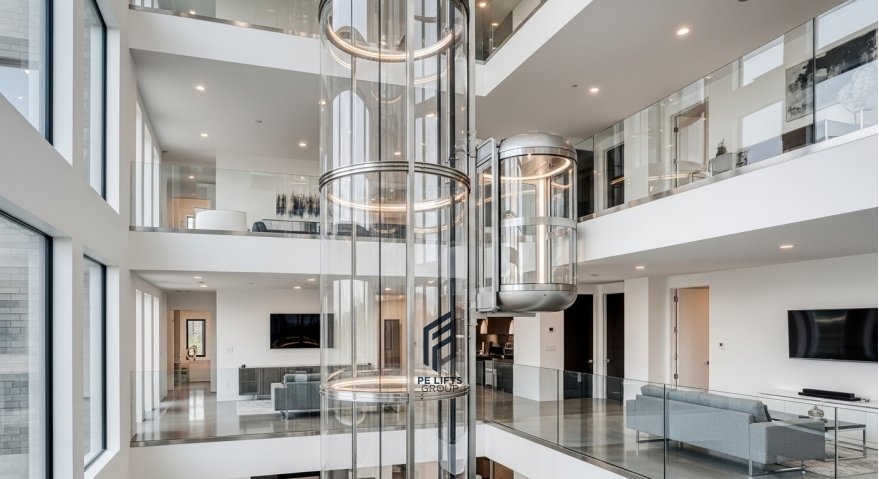
Elevators are the critical arteries of modern infrastructure, yet their internal complexities often go unnoticed until a failure occurs. For facility managers and property developers, scheduling a comprehensive elevator audit is the most effective strategy to safeguard vertical mobility. By leveraging professional elevator audit services, building owners can uncover hidden mechanical faults, optimize energy consumption, and ensure strict regulatory compliance. When managed by PE Lifts Group, businesses gain access to an unmatched level of diagnostic expertise, ensuring their investments remain safe, efficient, and profitable over the long term.
Why Should Every Business Schedule Regular Elevator Audits?
Routine servicing is essential, but a dedicated elevator audit goes much deeper. While standard maintenance addresses immediate wear and tear, an audit evaluates the holistic health of the system against original engineering benchmarks. Partnering with PE Lifts Group ensures your facility benefits from advanced diagnostics that predict failures before they happen. This proactive approach is vital for maintaining high elevator performance, protecting tenant satisfaction, and avoiding the massive financial liabilities associated with unexpected system breakdowns.
What Happens During a Professional Elevator Audit?
When you engage a top-tier elevator maintenance company, the audit process is systematic and exhaustive.
Visual Inspection
Technicians examine the physical condition of the cab, hoistway, and machine room, looking for signs of corrosion, fluid leaks, or structural misalignments that compromise safety.
Mechanical and Electrical Assessment
Engineers test motor-generator sets, traction sheaves, and control panels to ensure electrical loads are balanced and mechanical tolerances are within manufacturer specifications.
Safety System Testing
Every emergency brake, overspeed governor, and door sensor is rigorously triggered to guarantee the system responds flawlessly during a fault scenario.
Performance Evaluation
Using specialized diagnostic tools, the team measures vibration, acceleration, and stopping precision to evaluate the overall elevator performance.
Audit Report and Recommendations
The process concludes with a detailed elevator safety and performance assessment report, outlining actionable steps for modernization or targeted repairs.
What Performance Checks Are Included?
A thorough commercial elevator performance audit leaves no component unchecked.
Ride Quality
Auditors measure cabin vibration and noise levels to ensure a smooth, comfortable journey for passengers.
Speed and Leveling Accuracy
Technicians verify that the elevator stops precisely flush with the floor landing, eliminating dangerous trip hazards.
Door Operation
Door operators are tested for timing, kinetic energy, and sensor responsiveness to prevent passenger entrapment or delays.
Energy Efficiency
Power consumption is analyzed to identify outdated components that draw excessive electricity, paving the way for greener building operations.
Component Condition
Wire ropes, belts, and hydraulic fluids are measured for degradation, establishing a precise timeline for replacement.
Regulatory Compliance
The audit cross-references the installation against local and international safety codes to ensure the building remains legally compliant.
What Are the Benefits of Regular Elevator Audits?
Investing in preventive elevator inspection services yields measurable returns across your entire portfolio.
Improved Safety
Identifying failing brakes or frayed cables before they snap ensures the absolute safety of your building’s occupants.
Reduced Downtime
Predictive maintenance prevents catastrophic failures, keeping your elevators operational during peak traffic hours.
Lower Maintenance Costs
Replacing a single worn bearing during an audit is significantly cheaper than replacing an entire motor after a seizure.
Longer Equipment Lifespan
Systematic corrections reduce cumulative stress on the machinery, adding years to your capital investment.
Better Building Performance
Fast, reliable elevators directly correlate with higher tenant retention rates and increased property valuations.
What Recommendations Help Improve Elevator Performance?
Following an audit, the elevator maintenance company will provide a strategic roadmap.
Preventive Maintenance
Transitioning to a data-driven servicing schedule ensures critical parts are lubricated and adjusted based on actual usage metrics.
Component Replacement
Proactively swapping out obsolete relays or worn door tracks prevents sudden operational halts.
System Modernization
Upgrading control systems or installing regenerative drives can dramatically modernize an aging elevator without a full cab replacement.
Performance Monitoring
Implementing IoT sensors allows for real-time tracking of elevator performance and remote diagnostics.
Staff and Facility Planning
Audits often recommend better machine room ventilation or dedicated power circuits to optimize the elevator's operating environment.
How Do PE Lifts, Dove Lifts, and PE Lifts Services Work Together?
The synergy within the ecosystem is what makes PE Lifts Group the best elevator audit company in Africa.
PE Lifts Installation Expertise
Specializing in pneumatic and vacuum elevators, PE Lifts provides low-impact, highly efficient residential and commercial lifts that require specialized auditing techniques to maintain their air-pressure seals.
Dove Lifts Advanced Elevator Solutions
Dove Lifts engineers high-performance traction and Machine Room-Less (MRL) systems for high-rise infrastructure. Their installations demand rigorous mechanical audits to maintain peak speed and heavy-load reliability.
PE Lifts Services Audit, Maintenance, and Modernization
PE Lifts Services acts as the lifecycle guardian. They execute the audits, manage AMC contracts, and perform the modernization required to keep both PE Lifts and Dove Lifts systems running flawlessly.
Why Do Businesses Across Africa Choose PE Lifts Group?
PE Lifts Group supports diverse sectors with tailored audit strategies. Office buildings rely on audits to manage peak-hour morning traffic surges. Hotels use them to ensure silent, luxurious guest experiences. Hospitals mandate strict audits to guarantee code-blue emergency transport reliability. Shopping malls audit freight and passenger lifts to handle heavy seasonal footfall. Residential developments utilize audits to maintain property prestige and homeowner safety. Industrial facilities require heavy-duty audits for freight elevators moving massive loads. Educational institutions schedule audits during academic breaks to ensure student safety. Finally, mixed-use projects depend on the comprehensive oversight of PE Lifts Group to balance varying traffic demands across retail, residential, and commercial zones.
| Feature | Elevators With Regular Audits | Elevators Without Regular Audits |
|---|---|---|
| Safety | Maximum compliance; proactive hazard removal | High risk of undetected mechanical failures |
| Downtime | Minimal; scheduled and predictable | Frequent; sudden and disruptive breakdowns |
| Maintenance Costs | Lower; targeted part replacements | Higher; emergency call-outs and major repairs |
| Energy Efficiency | Optimized; lower utility bills | Degraded; excessive power draw |
| Equipment Lifespan | Extended by 5 to 10 years | Shortened by accelerated wear |
| Compliance | Fully up-to-date with local codes | High risk of regulatory fines |
| User Experience | Smooth, fast, and quiet | Jerky, noisy, and unreliable |
Key Outcomes of Regular Elevator Audits (Bar Chart Representation) Visual metrics demonstrating performance improvements following a comprehensive audit:
- Safety Enhancements: ████████████████████ (98%)
- System Reliability: ██████████████████ (92%)
- Equipment Lifespan: █████████████████ (88%)
- Long-Term Cost Savings: ████████████████ (85%)
- Energy Efficiency Gains: ██████████████ (75%) (Facility managers can easily copy this data into Excel to generate visual charts for stakeholder presentations.)
Frequently Asked Questions
1. What is the difference between an elevator audit and routine maintenance? Routine maintenance involves standard cleaning, lubrication, and basic adjustments. An elevator audit is a deep-dive diagnostic evaluation that benchmarks the system against original engineering specifications to identify long-term systemic issues.
2. How often should a commercial elevator performance audit be conducted? For high-traffic commercial spaces, a comprehensive audit should be conducted annually. High-stress environments like hospitals or malls may require bi-annual assessments.
3. Why is PE Lifts Group considered the best elevator audit company in Africa? PE Lifts Group combines localized engineering expertise with global safety standards. Their ecosystem of specialized brands ensures that every type of vertical transportation technology is audited by specialists who understand its unique mechanics.
4. Can preventive elevator inspection services prevent major breakdowns? Yes. Preventive elevator inspection services utilize predictive data to replace degrading components weeks or months before they reach the point of catastrophic failure.
5. What is included in an elevator safety and performance assessment? An elevator safety and performance assessment includes testing overspeed governors, checking door kinetic energy, measuring leveling accuracy, evaluating motor heat signatures, and verifying emergency communication systems.
6. Do audits apply to vacuum and pneumatic elevators from PE Lifts? Absolutely. Pneumatic systems require specialized audits to check air valves, turbine efficiency, and cabin seal integrity, ensuring smooth vertical travel without traditional cables.
7. How do traction elevator systems from Dove Lifts benefit from regular audits? Traction systems rely heavily on wire rope tension and sheave groove wear. Regular audits ensure these high-speed components remain perfectly balanced, preventing dangerous slipping and uneven cabin leveling.
8. How can I schedule professional elevator audit services for my building? You can schedule professional elevator audit services by contacting the technical support team at PE Lifts Group to arrange an initial site assessment and customized diagnostic plan.
Conclusion
Elevators are complex, high-liability assets that demand more than just superficial upkeep. By committing to a rigorous elevator audit schedule, facility managers can drastically reduce operational downtime, optimize energy consumption, and guarantee the safety of every passenger. The synergy between advanced installation technologies and rigorous lifecycle management is what sets industry leaders apart. Whether your facility utilizes the innovative vacuum elevators from PE Lifts, the heavy-duty traction systems from Dove Lifts, or requires the ongoing technical mastery of PE Lifts Services, having a unified partner is essential.
Take Control of Your Vertical Mobility Today Don't wait for a catastrophic breakdown to evaluate your building's infrastructure. Contact PE Lifts Group today to schedule your comprehensive elevator audit. From expert inspections and preventive elevator inspection services to complete system modernization, we provide end-to-end elevator lifecycle solutions tailored to your unique operational needs. Ensure your traction elevators, vacuum elevators, and escalators operate at peak performance. Reach out to our engineering team now to secure a safer, more efficient future for your building.