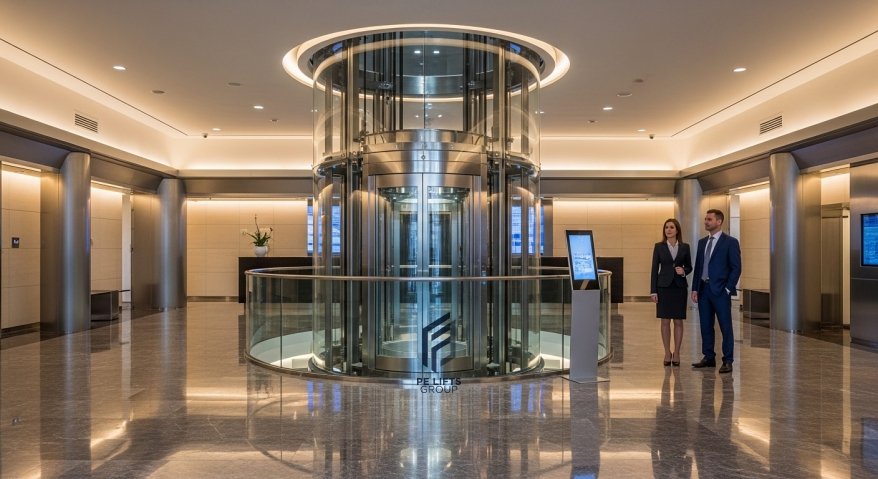
Industrial facilities, including factories, warehouses, manufacturing plants, logistics facilities, and large commercial developments, require reliable vertical transportation to maintain seamless operations. Choosing the right industrial elevator company is not just about moving goods or personnel; it is about improving productivity, ensuring safety, and enhancing long-term building performance. PE Lifts Group understands these unique demands. As a trusted elevator group supporting industrial facilities, commercial buildings, and large developments across Africa, we provide comprehensive vertical mobility solutions. Whether you need robust freight systems or efficient passenger lifts, partnering with an experienced elevator installation company ensures your facility operates at peak efficiency.
What Elevator Requirements Do Industrial Facilities Have?
Industrial environments present unique challenges that standard commercial buildings do not face. Effective elevator solutions for industrial facilities must account for several critical factors:
- Heavy Usage: Equipment must withstand continuous, high-cycle operations without premature wear.
- Frequent Passenger Movement: Workers moving between production floors require safe, rapid transit to maintain shift efficiency.
- Different Building Levels: Multi-story warehouses and manufacturing plants need seamless connectivity between loading docks, production lines, and administrative offices.
- Operational Efficiency: Downtime directly impacts the bottom line. Reliable systems keep supply chains moving.
- Accessibility: Compliance with safety standards ensures all personnel, including those with mobility challenges, can navigate the facility safely.
- Equipment Reliability: Harsh environments with dust, temperature fluctuations, or vibrations demand durable, industrial-grade components.
Industrial elevator planning must consider the specific activities, traffic patterns, building layout, and operational requirements of each facility. A one-size-fits-all approach fails in these complex environments.
What Elevator Solutions Can PE Lifts Group Provide?
As a leading industrial elevator company, PE Lifts Group offers a diverse portfolio tailored to specific building needs. Elevator selection should always be based on capacity, traffic, travel height, available space, and long-term operational goals.
- Traction Elevators: Ideal for mid-rise and high-rise commercial and industrial buildings, traction elevators for industrial buildings provide smooth, efficient, and high-capacity operation using advanced cable and counterweight systems www.dovelifts.com.
- Passenger Elevators: Designed for the safe, comfortable transport of personnel between administrative and production areas. (Note: Passenger elevators are strictly for human transport and should not be used for heavy industrial materials unless specifically designed and approved as freight elevators).
- Vacuum Elevators: For specialized, space-constrained areas or executive offices within industrial parks, PE Lifts provides innovative pneumatic vacuum elevator solutions that require minimal structural modification ng.pelifts.com.
- Commercial and Industrial Applications: Through Dove Lifts, we supply heavy-duty freight elevators built to withstand harsh environments and move machinery or goods securely between warehouse floors peliftsgroup.com.
- Elevator Modernization: Upgrading aging systems with modern controls and energy-efficient motors to extend equipment lifespan and improve reliability.
How Does PE Lifts Group Support Industrial Elevator Maintenance?
Proactive care is the cornerstone of facility management. As the dedicated after-sales division, PE Lifts Services delivers structured industrial elevator maintenance to minimize disruptions
peliftsservices.com. Industry data shows that buildings with scheduled maintenance experience up to 50% fewer unexpected breakdowns
peliftsservices.com. Our support includes:
- Preventive Maintenance: Scheduled servicing to identify and resolve minor issues before they become major failures.
- Routine Inspections: Comprehensive checks of mechanical and electrical components to ensure compliance with safety regulations.
- Emergency Repairs: Rapid 24/7 response teams to address critical breakdowns and restore operational flow.
- Component Replacement: Using genuine, high-quality parts to maintain system integrity and warranty validity.
- Modernization: Strategic upgrades to outdated control systems, improving energy efficiency and ride quality.
- Technical Support: Dedicated account managers and factory-trained technicians providing ongoing guidance.
By partnering with a reliable industrial elevator maintenance company, facility managers can significantly reduce unnecessary repair costs and extend the lifecycle of their vertical transportation assets.
How Does PE Lifts Group Improve Elevator Safety in Industrial Facilities?
Safety must be considered from the initial planning and installation stage through the entire elevator lifecycle. PE Lifts Group prioritizes safety through:
- Professional Installation: Adherence to strict engineering standards and local regulations during the initial setup.
- Safety Systems: Integration of advanced features such as door interlocks, overspeed governors, and automatic rescue devices (ARD) www.dovelifts.com.
- Regular Inspections: Mandatory periodic audits to verify that all safety mechanisms function correctly under industrial stress.
- Preventive Maintenance: Proactive servicing that prevents catastrophic failures and ensures consistent, safe operation.
- Staff and User Awareness: Providing clear operational guidelines and emergency protocols for facility personnel.
How Do PE Lifts, Dove Lifts, and PE Lifts Services Work Together?
The strength of PE Lifts Group lies in its integrated ecosystem of specialized subsidiaries, offering a complete elevator lifecycle solution:
- PE Lifts: Focuses on premium pneumatic vacuum elevators and specialized, space-saving elevator solutions for unique architectural or residential needs within larger developments ng.pelifts.com.
- Dove Lifts: Specializes in high-performance traction elevators, MRL systems, freight elevators, and escalators tailored for commercial, residential, and infrastructure projects across West Africa www.dovelifts.com.
- PE Lifts Services: Acts as the dedicated maintenance, modernization, and technical support division, boasting over 15 years of experience in the sector peliftsservices.com.
Together, these entities ensure that from the initial design and industrial elevator installation services to decades of ongoing support, clients receive seamless, unified expertise under the PE Lifts Group umbrella.
Why Should Industrial Businesses Choose PE Lifts Group?
Industrial businesses should choose PE Lifts Group because we combine specialized product knowledge with comprehensive lifecycle support. When selecting an elevator system, businesses must carefully consider elevator capacity, traffic flow, safety protocols, maintenance access, equipment quality, and long-term technical support. As the best industrial elevator company in Africa, PE Lifts Group delivers tailored elevator solutions for industrial facilities that align with your operational goals, ensuring maximum uptime and a strong return on investment.
Conclusion
A well-planned vertical transportation strategy is critical for the success of any industrial facility. By prioritizing reliability, safety, and proactive care, facility managers can avoid costly downtime and ensure a safe environment for all personnel. Do not leave your facility’s mobility to chance. Contact PE Lifts Group today for expert elevator planning, site assessment, installation, traction elevators, vacuum elevators, modernization, preventive maintenance, repairs, inspections, and long-term technical support.
Frequently Asked Questions
1. What makes an elevator suitable for industrial facilities?
Industrial elevators must be built with heavy-duty components, higher weight capacities, and durable finishes to withstand continuous use and harsh environments, unlike standard commercial lifts.
2. Can passenger elevators be used to transport industrial materials?
No. Passenger elevators are designed strictly for human transport. Transporting heavy industrial materials requires specifically designed and approved freight elevators to ensure safety and prevent equipment damage.
3. How often should industrial elevators be maintained?
Industrial elevators should undergo preventive maintenance at least quarterly, or more frequently depending on usage intensity, to ensure safety and prevent unexpected downtime.
4. What is the difference between traction and vacuum elevators in an industrial setting?
Traction elevators are high-capacity systems ideal for moving large volumes of people or heavy freight across multiple floors. Vacuum elevators are space-saving, pneumatic systems best suited for specialized, low-capacity applications like executive offices within an industrial park.
5. How does PE Lifts Group handle elevator emergencies?
Through PE Lifts Services, we provide 24/7 emergency repair support with rapid response times to minimize operational disruption and ensure passenger safety.
6. When should an industrial facility consider elevator modernization?
Modernization is recommended when an elevator experiences frequent breakdowns, outdated control systems, high energy consumption, or when replacement parts become difficult to source.
7. What factors determine the right elevator capacity for a warehouse?
Capacity is determined by the maximum weight of goods or number of personnel transported simultaneously, the dimensions of the cargo, and the required travel speed between floors.
8. Does PE Lifts Group provide maintenance for elevators installed by other companies?
Yes, PE Lifts Services offers comprehensive maintenance, modernization, and technical support for various elevator brands, ensuring your existing equipment remains safe and reliable.
Comparison Table: Basic Elevator Planning vs Industrial Focused Elevator Planning
| Planning Aspect | Basic Elevator Planning | Industrial Focused Elevator Planning |
|---|---|---|
| Capacity | Standard passenger weight limits. | High-capacity freight and heavy-duty passenger ratings. |
| Usage | Moderate, predictable traffic patterns. | Continuous, high-cycle, and heavy-duty operational demands. |
| Safety | Standard compliance features. | Enhanced safety systems for harsh environments and heavy loads. |
| Maintenance | Routine, standard-interval servicing. | Aggressive preventive maintenance schedules to prevent costly downtime. |
| Reliability | Standard commercial-grade components. | Industrial-grade, durable components built for longevity. |
| Downtime | Minor inconvenience to building occupants. | Critical operational failure impacting production and revenue. |
| Long Term Performance | Focus on basic functionality and aesthetics. | Focus on total cost of ownership, energy efficiency, and maximum uptime. |