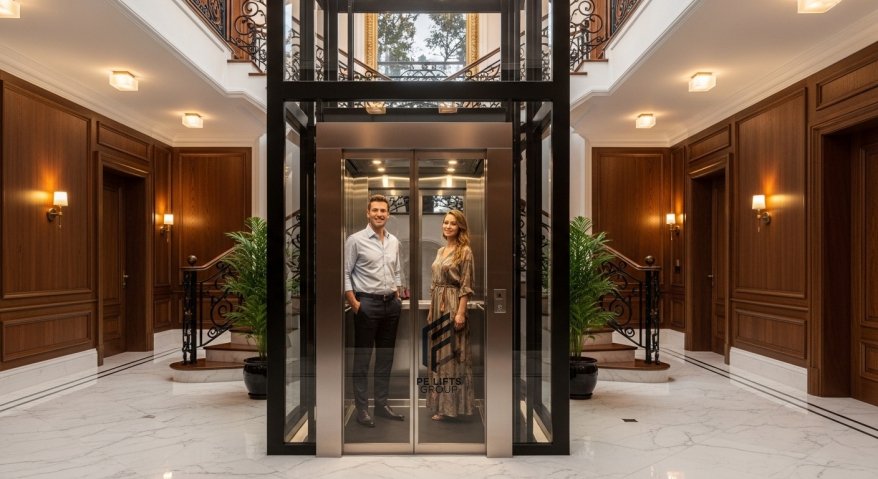
Vertical transportation is the silent engine of hotel operations. In Kumasi, Ghana’s cultural and commercial hub, hotels face unique challenges ranging from high guest turnover during festivals to consistent business travel demands. Effective hotel vertical transportation in Kumasi is not just about moving people; it is about ensuring seamless accessibility, operational efficiency, and a premium guest experience. Whether you are developing a new boutique hotel or modernizing an existing establishment, understanding the technical and practical aspects of elevator systems is essential for long-term success.
Why is vertical transportation important in hotels?
In the hospitality industry, first impressions are critical. Elevators are often the first point of interaction guests have with a building’s infrastructure after the lobby. Efficient hotel elevator systems in Kumasi reduce wait times, prevent congestion in lobbies, and ensure that luggage, room service, and housekeeping operations do not interfere with guest comfort. For multi-story buildings, reliable vertical transportation is a legal and ethical requirement for accessibility, ensuring that elderly guests, families with children, and individuals with disabilities can navigate the property with ease. Furthermore, efficient systems reduce energy consumption and operational costs by optimizing traffic flow and minimizing unnecessary stops.
How can hotels identify their elevator needs?
Identifying the right elevator solution begins with a thorough assessment of the hotel’s specific requirements. Hotel owners and developers must consider the building’s height, the number of rooms, and the expected peak occupancy rates. A budget hotel with limited floors may require a different solution than a luxury resort with extensive conference facilities. Key factors include passenger traffic patterns, such as morning check-out rushes or evening restaurant peaks, and the need for separate service elevators for staff and logistics. By analyzing these variables, stakeholders can determine the necessary capacity, speed, and number of elevator cars required to maintain smooth operations.
How should guest and staff movement be managed?
Efficient management of vertical traffic requires a strategic separation of guest and service flows. Guests expect privacy, quiet, and aesthetic appeal, while staff require robust, high-capacity solutions for moving luggage, linens, and food supplies. In larger hotels, dedicated service elevators prevent carts and equipment from cluttering guest areas. For smaller establishments, smart scheduling and advanced control systems can help manage mixed traffic without compromising the guest experience. Proper management ensures that housekeeping teams can access rooms efficiently during turnover periods without disrupting guests who are checking in or enjoying hotel amenities.
Where should elevators be positioned?
Elevator placement significantly impacts both architectural design and user convenience. Ideally, elevators should be located near the main entrance and reception area to provide immediate access upon arrival. They should also be centrally positioned to minimize walking distances to guest rooms and public facilities like restaurants and conference halls. In Kumasi’s urban landscape, where space can be at a premium, careful coordination between architects and elevator engineers is crucial. The shaft location must align with the building’s structural integrity while allowing for future maintenance access. Proper positioning also enhances security by keeping elevator banks visible and well-lit.
Which elevator systems may suit different hotels?
The choice of elevator technology depends on the building’s structure and the hotel’s brand positioning. Dove Lifts, a specialist company within the PE Lifts Group, offers advanced traction and Machine Room-Less (MRL) elevator systems. These are ideal for mid-to-high-rise hotels in Kumasi where space efficiency and high performance are required. MRL systems eliminate the need for a separate machine room, saving valuable real estate while providing smooth, quiet rides.
For boutique hotels, low-rise extensions, or architectural features requiring minimal structural intervention, PE Lifts provides innovative pneumatic vacuum elevator solutions. These systems are known for their sleek, cylindrical design and energy efficiency, making them suitable for hotels aiming for a modern, distinctive aesthetic. By leveraging the specialized expertise of both Dove Lifts and PE Lifts, hotel developers can select systems that perfectly match their architectural vision and operational needs. Learn more about Dove Lifts’ commercial solutions and PE Lifts’ pneumatic technology.
How can elevators improve accessibility and guest experience?
Accessibility is a cornerstone of modern hospitality. Elevators must comply with international and local standards for width, door operation, and control panel height to accommodate wheelchairs and mobility aids. Beyond compliance, guest experience is enhanced through features like destination control systems, which group passengers going to similar floors to reduce stops, and high-quality interior finishes that reflect the hotel’s brand. Quiet operation and smooth acceleration profiles contribute to a sense of luxury and comfort, ensuring that the journey between floors is as pleasant as the stay itself.
How can hotels reduce waiting times and downtime?
Waiting times can be minimized through intelligent traffic management systems that predict peak periods and allocate cars accordingly. However, even the best systems require consistent upkeep to avoid unexpected breakdowns. Downtime is costly, not only in terms of repair bills but also in lost guest satisfaction. Implementing a robust preventive maintenance schedule is the most effective way to ensure reliability. This involves regular inspections, lubrication, and component testing to identify potential issues before they lead to failures.
Why is preventive elevator maintenance important?
Preventive maintenance extends the lifespan of elevator components and ensures compliance with safety regulations. In Kumasi, where power fluctuations can occur, regular checks on electrical systems and backup power integration are vital. PE Lifts Services, the maintenance arm of the PE Lifts Group, specializes in comprehensive Annual Maintenance Contracts (AMC), repairs, modernization, and technical support. Their team ensures that elevators remain safe, efficient, and compliant with local standards. By partnering with a dedicated service provider, hotel owners can reduce emergency repairs and maintain consistent operational performance. Explore PE Lifts Services’ maintenance offerings.
What should hotel owners consider when choosing an elevator company?
Selecting the right partner involves evaluating technical expertise, local presence, and after-sales support. Hotel owners should look for companies with a proven track record in the region, such as the PE Lifts Group, which combines global engineering standards with local understanding. Key considerations include the availability of spare parts, the responsiveness of the technical team, and the ability to provide customized solutions for diverse hotel types. A reputable provider will offer end-to-end support, from initial planning and installation to ongoing maintenance and future modernization.
Vertical Transportation Priorities by Hotel Type
| Hotel Type | Primary Focus | Recommended System Considerations |
|---|---|---|
| Budget Hotels | Cost-efficiency and reliability | Compact MRL systems or basic traction lifts with low maintenance requirements. |
| Business Hotels | Speed and peak-hour handling | High-speed traction elevators with advanced traffic management software. |
| Luxury Hotels | Guest comfort and aesthetics | Premium finishes, quiet operation, and destination control systems. |
| Conference/Mixed Use | Heavy luggage and crowd management | Large-capacity cars, separate service elevators, and robust duty cycles. |
Planning Flow for Hotel Elevators
- Assess hotel needs: Determine room count, floor height, and brand standards.
- Study passenger traffic: Analyze peak times for guests, staff, and services.
- Select suitable systems: Choose between traction, MRL, or pneumatic solutions based on layout.
- Coordinate building layout: Work with architects to optimize shaft placement and machine room requirements.
- Install and test: Ensure rigorous commissioning and safety checks.
- Maintain and improve: Implement a preventive maintenance plan with a trusted provider.
Frequently Asked Questions
1. What elevator capacity is suitable for a hotel in Kumasi? Capacity depends on hotel size. Small boutiques may need 4-6 person cars, while large hotels require 10-16 person cars or larger service lifts for luggage.
2. How long does hotel elevator installation take? Installation timelines vary based on building readiness and system complexity, typically ranging from a few weeks for pneumatic units to several months for traction systems.
3. Are pneumatic elevators suitable for all hotels? Pneumatic elevators are ideal for low-rise applications and architectural features but may not suit high-traffic, high-rise commercial hotels where traction systems are more efficient.
4. How can I ensure my hotel elevators are accessible? Ensure cars meet width requirements for wheelchairs, have low-button panels, audible announcements, and sufficient door opening times.
5. What is the benefit of an Annual Maintenance Contract (AMC)? An AMC ensures regular inspections, priority response to breakdowns, and extended equipment life, reducing long-term operational costs.
6. Can existing hotel elevators be modernized? Yes, modernization can update control systems, interiors, and doors to improve performance and aesthetics without replacing the entire shaft structure.
7. How do power fluctuations affect hotel elevators? Fluctuations can cause stoppages. Installing voltage stabilizers and backup power systems ensures continuous operation during outages.
8. Should hotels have separate service elevators? Large hotels benefit significantly from separate service elevators to keep luggage and staff traffic away from guest areas.
9. What certifications should an elevator company have? Look for companies adhering to international safety standards and local regulatory requirements in Ghana.
10. How do I choose between Dove Lifts and PE Lifts solutions? Dove Lifts is ideal for traditional high-performance traction needs, while PE Lifts offers innovative pneumatic solutions for specific architectural or low-rise applications. Consult the PE Lifts Group for a combined assessment.
Conclusion
Improving vertical transportation in Kumasi hotels requires a holistic approach that balances technical performance with guest experience. By understanding your specific traffic needs, selecting the right technology from trusted specialists like Dove Lifts and PE Lifts, and committing to rigorous maintenance through PE Lifts Services, you can ensure your hotel operates smoothly and safely.
For expert guidance on hotel elevator installation in Ghana, maintenance, and modernization, contact the PE Lifts Group today. Our team is ready to help you design, install, and maintain vertical transportation solutions that elevate your hospitality business.