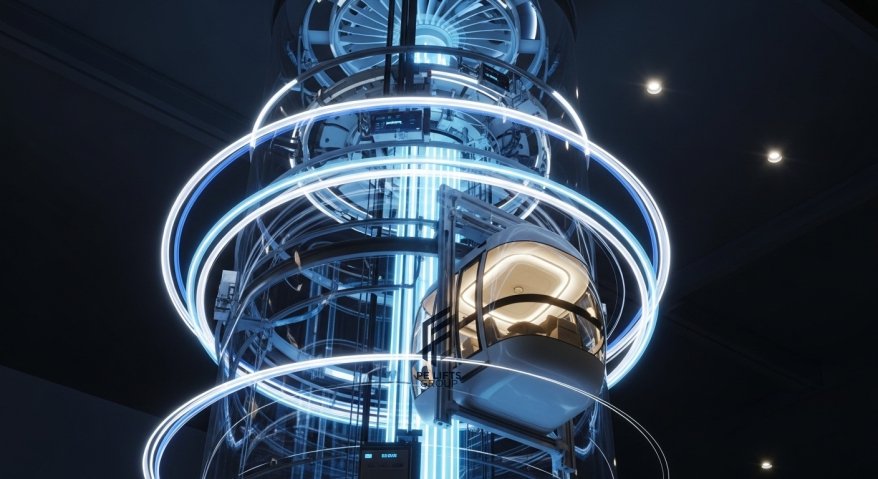
Owning a commercial or residential building in Benin Republic comes with significant responsibilities, particularly when it involves vertical transportation. For property owners, landlords, hotel operators, and facility managers in cities like Cotonou and Porto-Novo, an elevator is not just a convenience; it is a critical asset that defines the usability and value of the property. However, keeping these systems safe, reliable, and efficient requires more than just installation. It demands a strategic approach to elevator service Benin Republic providers can trust. Understanding the nuances of maintenance, repair, and modernization is essential for minimizing downtime and ensuring passenger safety.
Why is regular elevator servicing important?
Regular servicing is the backbone of elevator reliability. Without consistent attention, even the most advanced elevator systems will degrade due to wear and tear. In Benin Republic, where environmental factors such as heat and humidity can impact electrical components, routine elevator maintenance Benin Republic services are vital. Regular servicing ensures that safety mechanisms, such as door sensors and emergency brakes, function correctly. It also helps maintain energy efficiency and prevents minor issues from escalating into major, costly failures. For hotel operators and commercial developers, consistent uptime is directly linked to tenant satisfaction and operational continuity.
What does professional elevator maintenance include?
Professional maintenance goes beyond a simple visual check. A comprehensive service by a qualified elevator servicing company Benin includes lubricating moving parts, checking alignment, testing safety circuits, inspecting door operations, and verifying control system functionality. Specialists from companies like PE Lifts Services focus on both mechanical and electrical integrity. This includes examining traction sheaves, cables, and hydraulic units, depending on the system type. For pneumatic systems handled by PE Lifts, maintenance may involve checking vacuum seals and air pressure stability. The goal is to ensure every component operates within manufacturer specifications, providing a smooth and safe ride for passengers.
How often should an elevator be serviced?
The frequency of service depends on the elevator type, usage intensity, and local regulations. Generally, high-traffic commercial elevators require monthly or quarterly inspections, while residential units may need semi-annual checks. In Benin Republic, it is advisable to follow the manufacturer’s recommendations and local safety standards. Regular intervals help identify worn components before they fail. Property owners should consult with their service provider to establish a schedule that matches their building’s specific usage patterns, ensuring that elevator maintenance contracts Benin are tailored to actual needs rather than generic timelines.
What warning signs indicate an elevator needs attention?
Property owners and facility managers should be vigilant for early warning signs. Unusual noises, such as grinding or squeaking, often indicate mechanical wear. Jerky movements or uneven leveling at floors suggest alignment or control issues. Door faults, such as slow closing or failure to open, are common indicators of sensor or motor problems. If passengers report discomfort or if the elevator frequently stops unexpectedly, immediate attention is required. Ignoring these signs can lead to passenger entrapment or complete system failure. Prompt reporting of these issues to a qualified technician is crucial for maintaining safety and preventing expensive emergency repairs.
What should property owners do when an elevator breaks down?
When an elevator breaks down, the priority is passenger safety. If passengers are trapped, emergency protocols must be followed immediately, including contacting emergency services and the elevator service provider. Property owners should have clear communication channels with their elevator repair Cotonou specialists. Once safety is ensured, a detailed diagnosis should be conducted to identify the root cause. It is important to avoid attempting DIY fixes, as this can void warranties and create further hazards. Professional technicians from PE Lifts Services are trained to handle breakdowns systematically, ensuring that repairs are conducted safely and effectively.
How can owners reduce unexpected repair costs?
Reducing unexpected costs involves proactive management. Investing in a comprehensive maintenance contract is one of the most effective strategies. These contracts often cover routine inspections and minor repairs, preventing major failures. Additionally, keeping accurate maintenance records helps track the history of the equipment, allowing for better prediction of future needs. Property owners should also consider the quality of spare parts used during repairs. Using genuine or high-quality equivalents ensures longevity and reduces the frequency of replacements. By focusing on preventive care rather than reactive fixes, owners can significantly lower long-term operating costs.
What should an elevator maintenance contract cover?
A robust maintenance contract should clearly define the scope of work, response times for emergencies, and included services. It should cover routine inspections, lubrication, adjustments, and minor repairs. Some contracts may also include annual safety certifications and priority support for breakdowns. Property owners should review contracts carefully to understand what is excluded, such as major component replacements or modernization works. Comparing offerings from different providers, such as Dove Lifts for traction systems or PE Lifts for vacuum solutions, can help owners select a contract that aligns with their specific elevator technology and budget.
How should owners assess spare parts and technical support?
Availability of spare parts and quality of technical support are critical factors in choosing a service provider. Delays in obtaining parts can lead to prolonged downtime, affecting building operations. Owners should ask potential providers about their supply chain and inventory levels for common components. Technical support should be accessible and knowledgeable, capable of diagnosing issues remotely when possible. Companies like PE Lifts Group leverage their network to ensure that specialist support is available for both pneumatic and traction systems. Evaluating the expertise of the technical team and their familiarity with the specific elevator model is essential for reliable long-term support.
When should an old elevator be modernized?
Modernization becomes necessary when an elevator frequently breaks down, lacks spare parts, or no longer meets current safety standards. Older systems may also be energy inefficient, leading to higher operating costs. If repair costs exceed the value of the equipment, or if the elevator fails to accommodate modern accessibility requirements, modernization is a viable option. Upgrading control systems, doors, and cabin interiors can extend the life of the elevator and improve performance. Consulting with experts from Dove Lifts or PE Lifts can help owners determine whether modernization or replacement is the most cost-effective solution for their property.
How can property owners choose a reliable elevator service provider in Benin Republic?
Choosing a reliable provider involves evaluating experience, certifications, and local presence. Look for companies with a proven track record in Benin Republic and positive references from other property owners. Verify that the provider employs certified technicians and adheres to international safety standards. Consider the range of services offered, from routine maintenance to emergency repairs and modernization. A provider that offers specialized solutions, such as pneumatic elevators from PE Lifts or MRL systems from Dove Lifts, demonstrates technical versatility. Transparency in pricing, clear communication, and a commitment to safety are key indicators of a trustworthy partner.
Comparison of Elevator Service Types
| Service Type | Purpose | When Needed |
|---|---|---|
| Preventive Maintenance | Prevent failures and ensure safety | Regularly scheduled intervals |
| Corrective Repairs | Fix identified defects | When wear or damage is detected |
| Emergency Callouts | Restore operation after breakdown | Immediate response to failures |
| Modernization | Upgrade technology and efficiency | When system is obsolete or inefficient |
Simple Maintenance Workflow
To ensure consistency, property managers should follow a structured workflow: Inspect → Identify defects → Service or repair → Record findings → Monitor performance → Plan future maintenance. This cycle promotes accountability and continuous improvement in elevator management.
Frequently Asked Questions
1. How often should I service my elevator? Most commercial elevators require quarterly servicing, while residential units may need semi-annual checks. Always follow manufacturer guidelines.
2. What is included in a standard maintenance contract? Contracts typically cover routine inspections, lubrication, adjustments, and minor repairs. Major parts are usually excluded.
3. Are emergency repairs covered in maintenance contracts? Some contracts include emergency callouts, while others charge separately. Check your agreement for specific terms.
4. How can I reduce elevator repair costs? Regular preventive maintenance is the most effective way to avoid costly emergency repairs and extend equipment life.
5. What should I do if passengers are trapped? Follow emergency protocols, contact emergency services, and notify your elevator service provider immediately. Do not attempt to force doors open.
6. How long does it take to get spare parts? Lead times vary by part and supplier. Choose providers with local inventory or reliable supply chains to minimize downtime.
7. Can power fluctuations damage my elevator? Yes, unstable power can harm electrical components. Install voltage stabilizers or backup systems as recommended by professionals.
8. When is it time to modernize my elevator? Consider modernization when repair costs rise, parts become scarce, or the system fails to meet current safety and efficiency standards.
9. What are the benefits of pneumatic elevators? Pneumatic elevators, offered by PE Lifts, require less structural support, are energy-efficient, and offer a unique aesthetic appeal.
10. How do I verify a service provider’s credentials? Check for industry certifications, client references, and membership in professional engineering bodies. Verify their experience with your specific elevator type.
For property owners and facility managers in Benin Republic seeking expert guidance, PE Lifts Group offers comprehensive solutions through its specialist divisions. Whether you need pneumatic solutions from PE Lifts, traction systems from Dove Lifts, or dedicated maintenance and support from PE Lifts Services, our team is equipped to ensure your vertical transportation systems operate safely and efficiently. Contact PE Lifts Group today to discuss your elevator servicing, maintenance contracts, repairs, modernization, and technical support needs.