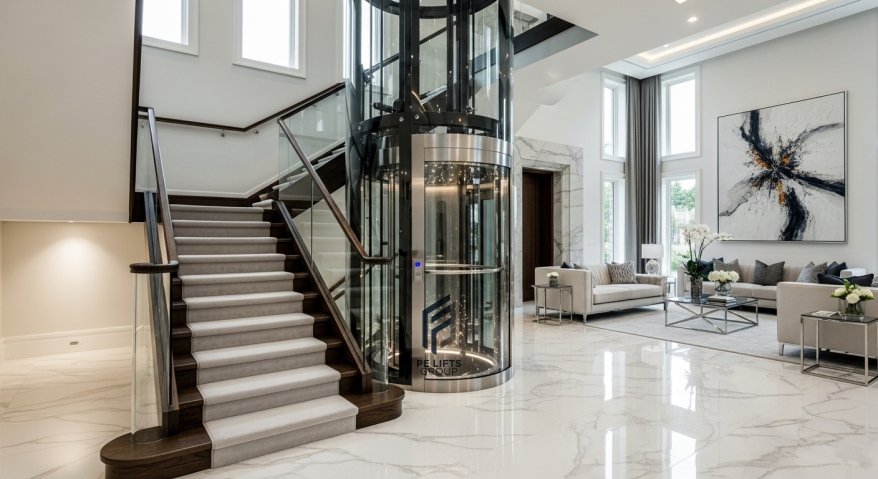
ELFor hotel owners and developers in Togo, an elevator is more than a vertical transport system; it is a critical component of the guest experience. Whether you are developing a boutique hotel in Lomé, a business hub near the port, or a luxury resort, the efficiency of your vertical transportation directly impacts guest satisfaction, operational flow, and building value. Hotel elevator installation Togo requires careful planning that goes beyond selecting a brand. It involves understanding passenger traffic, structural requirements, and long-term maintenance needs.
Before breaking ground or finalizing architectural plans, stakeholders must assess how elevators will support check-in processes, luggage handling, housekeeping operations, and emergency safety. This guide explores the essential considerations for hospitality projects in Togo, helping you make informed decisions about hotel elevators Togo and ensuring your investment delivers reliability and comfort for years to come.
Why should hotels plan elevators before construction?
Integrating an elevator into a hotel design after construction has begun is often costly and technically challenging. Early planning allows architects and engineers to optimize shaft dimensions, pit depths, and overhead clearances. It also ensures that the structural load-bearing capacity of the building aligns with the chosen elevator system.
Planning early helps avoid compromises such as reducing cabin size, limiting capacity, or accepting slower speeds due to space constraints. For commercial elevator installation Togo, early coordination between the civil engineering team and the elevator supplier ensures that machine room requirements, power supply routes, and emergency access points are correctly positioned. This proactive approach minimizes delays during the construction phase and reduces the risk of expensive modifications later.
How does hotel size affect elevator requirements?
The scale and type of your hotel dictate the complexity of your elevator system. A small boutique hotel with ten rooms may only require a single compact unit, while a large conference hotel needs multiple high-capacity cars to manage peak traffic.
- Small Hotels: Focus on space efficiency and cost-effectiveness. Pneumatic or compact traction systems may be suitable.
- Business Hotels: Require reliable, fast service for guests attending meetings or conferences. Durability and quick response times are key.
- Luxury Hotels: Prioritize smooth rides, quiet operation, and premium aesthetics. Larger cabins may be needed for luggage and staff service.
- Mixed-Use Facilities: Hotels with retail or office spaces need separate zoning or dedicated service elevators to prevent guest and service traffic from interfering.
How can owners estimate passenger traffic?
Accurate traffic analysis prevents bottlenecks during peak hours. Hotel managers should consider:
- Check-in/Check-out Peaks: High volume of guests with luggage arriving or departing simultaneously.
- Meal Times: Movement between rooms and dining areas during breakfast, lunch, and dinner.
- Events and Conferences: Sudden surges in traffic when large groups move to ballrooms or meeting halls.
- Service Operations: Housekeeping staff moving linen, food and beverage teams delivering room service, and maintenance crews accessing technical floors.
By estimating the number of passengers per hour during these peaks, you can determine the required capacity, speed, and number of elevators. Underestimating traffic leads to long wait times, which negatively affect guest reviews and operational efficiency.
Which elevator system may suit a hotel?
PE Lifts Group offers specialized solutions through its subsidiary companies, allowing hoteliers to choose the technology that best fits their building’s design and operational needs.
- PE Lifts: Specializes in pneumatic and vacuum elevator solutions. These systems are ideal for boutique hotels, historic renovations, or buildings where minimal structural modification is desired. They require no machine room and use less space, making them a flexible option for hotel elevator systems Lomé with tight architectural constraints.
- Dove Lifts: Provides traction and Machine Room-Less (MRL) elevator systems. These are well-suited for mid-to-high-rise hotels requiring higher speeds, greater capacity, and energy-efficient performance. MRL systems save space by eliminating the need for a separate machine room, integrating the machinery into the shaft itself.
- PE Lifts Services: Ensures the longevity of your investment through professional maintenance, Annual Maintenance Contracts (AMC), repairs, modernization, and technical support. Their expertise covers multi-brand systems, ensuring that regardless of the technology chosen, your elevator remains safe and reliable.
What building space and structural preparations are needed?
Every elevator type has specific spatial requirements.
- Shaft Dimensions: Must accommodate the cabin, counterweights (for traction systems), and guide rails.
- Pit Depth: The space below the lowest landing floor must be sufficient for the buffer and safety mechanisms.
- Overhead Clearance: The space above the top landing must allow for the full travel of the cabin and maintenance access.
- Machine Room: Traditional traction elevators require a dedicated room, while MRL and pneumatic systems do not.
Structural coordination is vital. The building’s foundation and columns must support the dynamic loads of the elevator. Engaging with experts like PE Lifts Group early in the design phase ensures that these structural elements are correctly calculated and integrated into the building’s framework.
How should accessibility and guest comfort be considered?
Accessibility is not just a regulatory requirement; it is a standard of modern hospitality. Elevators must be wide enough to accommodate wheelchairs and luggage carts comfortably. Controls should be placed at accessible heights, with clear visual and auditory signals for floor selection.
Guest comfort extends to ride quality. Smooth acceleration and deceleration, low noise levels, and adequate ventilation contribute to a premium experience. In luxury settings, the interior design of the cabin—materials, lighting, and finishes—should reflect the hotel’s brand identity.
What power and safety factors matter?
Reliable power supply is critical for elevator operation. In Togo, where power fluctuations can occur, installing voltage stabilizers and backup power systems (such as generators or UPS) is essential to prevent entrapment and ensure continuous service.
Safety features must comply with applicable standards. These include door sensors to prevent closing on passengers, emergency communication systems, battery-powered lowering devices in case of power failure, and regular safety gear testing. PE Lifts Services emphasizes rigorous safety audits and compliance checks to protect guests and staff.
How can hotels plan for maintenance and reduce downtime?
An elevator is a mechanical system that requires regular care. Preventive maintenance is far more cost-effective than reactive repairs.
- Annual Maintenance Contracts (AMC): Provide scheduled inspections, lubrication, and adjustments to keep the system running smoothly.
- Emergency Support: Ensure your provider offers 24/7 breakdown support. PE Lifts Services guarantees rapid response times in major cities, minimizing guest inconvenience.
- Spare Parts Availability: Choose a provider with a robust supply chain for genuine parts to avoid long waiting periods for repairs.
Planning for maintenance access during the design phase—such as providing adequate space in the shaft and machine room—makes future servicing easier and faster.
How should hotel owners choose an elevator company in Togo?
Selecting the right partner involves evaluating technical expertise, local presence, and after-sales support. Look for a company that:
- Offers a range of technologies to suit different building types.
- Has a proven track record in the hospitality sector.
- Provides comprehensive maintenance and emergency support.
- Understands local building regulations and environmental conditions.
PE Lifts Group combines the engineering expertise of Dove Lifts and PE Lifts with the dedicated support of PE Lifts Services, offering a holistic solution for hoteliers in Togo.
Elevator Planning Priorities for Different Hotel Types
| Hotel Type | Primary Priority | Recommended System Considerations | Maintenance Focus |
|---|---|---|---|
| Small Boutique Hotel | Space Efficiency & Aesthetics | Pneumatic or Compact MRL | Basic preventive checks |
| Business Hotel | Reliability & Speed | Traction MRL for medium rise | Frequent inspections for high usage |
| Luxury Hotel | Comfort & Capacity | High-speed Traction, Large Cabins | Premium AMC with rapid response |
| Conference/Mixed-Use | Traffic Management | Multiple Cars, Zoning, Service Lift | Heavy-duty maintenance for service lifts |
Simple Planning Flow for Hotel Elevators
- Assess hotel needs: Define capacity, speed, and aesthetic requirements.
- Analyze passenger traffic: Estimate peak loads for guests and staff.
- Select a suitable system: Choose between pneumatic, traction, or MRL based on building constraints.
- Prepare the building: Coordinate shaft, pit, and structural requirements with architects.
- Install and test: Ensure professional installation and rigorous safety testing.
- Maintain and support: Implement an AMC and establish emergency protocols.
Frequently Asked Questions
1. How long does hotel elevator installation take in Togo? Installation timelines vary based on building height and system complexity, typically ranging from a few weeks for pneumatic units to several months for multi-car traction systems. Early planning helps streamline the process.
2. What is the minimum shaft size for a hotel elevator? Shaft dimensions depend on the elevator type and capacity. Pneumatic elevators require smaller diameters, while traction systems need rectangular shafts with specific width and depth requirements. Consult with PE Lifts Group for precise measurements.
3. Do I need a machine room for my hotel elevator? Not necessarily. Machine Room-Less (MRL) and pneumatic elevator systems do not require a separate machine room, saving valuable building space. Traditional traction systems may still require one.
4. How many elevators does my hotel need? This depends on the number of floors, rooms, and expected passenger traffic. A traffic analysis conducted by experts can determine the optimal number of cars to minimize wait times.
5. Can existing hotels add an elevator? Yes, but it requires significant structural assessment. Pneumatic elevators are often easier to retrofit due to their minimal structural impact. A technical audit by PE Lifts Services can determine feasibility.
6. What maintenance is required for hotel elevators? Regular preventive maintenance includes lubrication, safety checks, electrical testing, and component inspection. An Annual Maintenance Contract (AMC) ensures these tasks are performed systematically.
7. How do I ensure my elevator is accessible? Ensure the cabin is wide enough for wheelchairs, controls are at accessible heights, and doors have sufficient opening time. Compliance with local accessibility guidelines is essential.
8. What happens if there is a power outage? Modern elevators have safety features like battery-powered lowering systems to bring the cabin to the nearest floor. Backup generators are recommended for uninterrupted service in hotels.
9. Can I upgrade my old hotel elevator? Yes, modernization can improve speed, safety, and aesthetics. PE Lifts Services offers modernization solutions to update older systems with new technology.
10. Why choose PE Lifts Group for my hotel project? PE Lifts Group offers end-to-end solutions, from design and installation via Dove Lifts and PE Lifts to ongoing maintenance via PE Lifts Services. Their local expertise and multi-brand support make them a trusted partner in Togo.
Consult PE Lifts Group for Your Hotel Elevator Project
Investing in the right elevator system enhances your hotel’s operational efficiency and guest satisfaction. Whether you need a compact pneumatic solution for a boutique property or a high-capacity traction system for a large resort, PE Lifts Group provides the engineering expertise and local support you need.
Hotel owners and developers in Togo: Consult PE Lifts Group today for expert elevator planning, installation, maintenance, modernization, and technical support.
Visit PE Lifts Group to learn more, explore PE Lifts for pneumatic solutions, Dove Lifts for traction systems, and PE Lifts Services for comprehensive maintenance support.