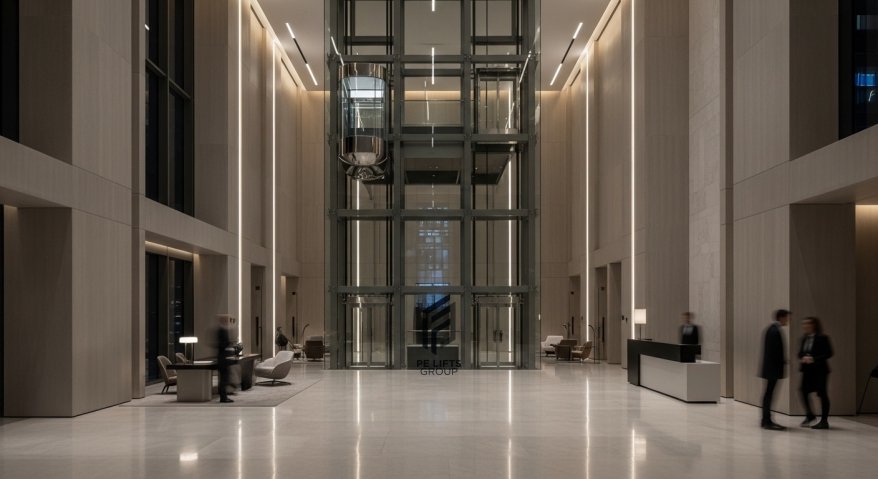
Cotonou is Benin Republic’s economic capital and a growing hub for regional tourism, business travel, and international hospitality investment. As new hotels emerge along the coastline and within the city center, vertical transportation has become a critical component of building design. Well-planned hotel elevator systems in Cotonou do more than move people between floors; they shape guest satisfaction, operational efficiency, and long-term facility performance.
For hotel owners, architects, and developers, selecting the right elevator solution requires understanding both technical requirements and hospitality operations. This guide explains how elevator systems support new hotel projects in Cotonou and outlines practical planning steps for successful implementation.
Why do new hotels in Cotonou need well planned elevator systems?
New hotels in Cotonou face unique operational demands. Guests arrive with luggage, attend conferences, dine at rooftop restaurants, and expect seamless access to all facilities. Without properly sized and positioned elevators, congestion occurs during peak hours, staff struggle with service delivery, and accessibility standards may not be met.
Elevator systems directly influence a hotel’s reputation. Long waiting times, unreliable equipment, or inadequate capacity can lead to negative reviews and reduced repeat bookings. Conversely, smooth vertical movement enhances the guest experience from arrival to departure.
How do elevators improve guest experience?
Guest experience begins the moment visitors enter the lobby. Efficient elevators reduce wait times during check-in and check-out periods. They facilitate easy access to upper-floor rooms, breakfast areas, spas, and conference halls. For guests with mobility challenges, families with strollers, or travelers with heavy luggage, reliable elevator access is essential for comfort and independence.
In luxury and business hotels, elevators also contribute to perceived quality. Quiet operation, modern interiors, and consistent performance reflect the hotel’s overall standard of service. In boutique or mid-range properties, appropriately scaled elevators ensure that vertical movement does not become a bottleneck during busy periods.
How should hotel developers estimate passenger traffic?
Accurate traffic assessment is foundational to elevator planning. Developers must consider:
- Building height and floor count: More floors require greater vertical transportation capacity.
- Expected occupancy: Room count and average occupancy rates determine peak usage.
- Usage patterns: Check-in and check-out windows, breakfast hours, and event schedules create predictable traffic spikes.
- Mixed-use components: Hotels with conference centers, restaurants, or retail spaces experience additional footfall from non-guest visitors.
Traffic analysis helps determine the number of elevators needed, their capacity, speed, and positioning within the building. Underestimating traffic leads to overcrowding, while overestimating increases unnecessary costs.
How can guest and service movement be coordinated?
Efficient hotels separate guest circulation from service operations whenever possible. Guest elevators provide comfortable, aesthetically pleasing access to rooms and public areas. Service elevators, often larger and more robust, handle luggage carts, housekeeping supplies, food and beverage deliveries, and maintenance equipment.
Coordinating these movements prevents conflicts. For example, housekeeping staff should not compete with guests for elevator access during morning checkout periods. Proper zoning—where certain elevators serve specific floors or functions—improves flow and reduces wear on equipment.
Which elevator systems may suit different hotel types?
The PE Lifts Group, as the parent elevator engineering group, offers specialized solutions through its subsidiary companies, each tailored to different building needs:
- PE Lifts provides pneumatic and vacuum elevator solutions. These systems are suitable for smaller hotels, boutique properties, or specific architectural applications where traditional shafts are impractical. Their compact design and minimal structural requirements make them attractive for renovation projects or buildings with space constraints.
- Dove Lifts specializes in traction and machine room-less (MRL) elevator systems. These are ideal for mid-rise to high-rise hotels requiring higher capacity, faster speeds, and continuous operation. MRL systems save space by eliminating the need for a separate machine room, making them efficient for modern hotel designs.
- PE Lifts Services ensures long-term reliability through maintenance, annual maintenance contracts (AMC), repairs, modernization, inspections, and technical support. Their role is critical in minimizing downtime and extending elevator lifecycle.
Choosing between these options depends on building design, budget, expected usage, and long-term operational goals.
What building requirements should be addressed before installation?
Early coordination between architects, structural engineers, and elevator specialists prevents costly modifications later. Key considerations include:
- Shaft dimensions: Adequate width and depth to accommodate chosen elevator type.
- Pit depth: Required for traction elevators; pneumatic systems may have different foundation needs.
- Overhead clearance: Space above the top floor for equipment and safety mechanisms.
- Structural load: Floors must support elevator weight and dynamic forces.
- Power supply: Stable electrical infrastructure with backup provisions for emergency operation.
- Installation timing: Elevator installation should align with construction phases to avoid delays.
Addressing these requirements during the design phase ensures smoother installation and compliance with safety standards.
How should accessibility and operational reliability be planned?
Accessibility is not optional; it is a fundamental requirement. Elevators must accommodate wheelchairs, provide audible and visual floor indicators, and feature controls at accessible heights. In Cotonou, where international tourists and business travelers expect universal access, compliant elevators enhance inclusivity and meet global hospitality standards.
Operational reliability depends on quality equipment, professional installation, and consistent maintenance. Redundancy—such as having multiple elevators so that one can remain operational during servicing—is crucial for hotels that cannot afford extended downtime.
Why should maintenance be considered before a hotel opens?
Preventive maintenance is far more cost-effective than reactive repairs. Establishing a maintenance plan before opening ensures that elevators operate reliably from day one. Regular inspections identify wear before it becomes failure, reducing unexpected breakdowns that disrupt guest experience.
PE Lifts Services offers comprehensive maintenance programs tailored to hotel operations. Their technicians understand the urgency of hospitality environments and prioritize rapid response times to minimize inconvenience.
How can developers choose the right elevator partner?
Selecting an elevator partner requires evaluating technical expertise, local presence, service capability, and track record. Developers should verify:
- Company credentials and engineering qualifications.
- Availability of local technical support and spare parts.
- Experience with similar hotel projects.
- Transparency in pricing, warranties, and service agreements.
- Commitment to safety standards and regulatory compliance.
Working with an established group like PE Lifts Group provides access to integrated solutions—from initial consultation and installation through ongoing maintenance and modernization.
Elevator Planning Priorities by Hotel Type
| Hotel Type | Primary Elevator Priorities | Recommended System Considerations |
|---|---|---|
| Budget Hotel | Cost efficiency, basic reliability, moderate capacity | Compact traction or pneumatic systems depending on height; focus on essential features |
| Business Hotel | Speed, reliability during peak hours, professional appearance | MRL traction elevators with good capacity; prioritize quick response times |
| Luxury Hotel | Premium aesthetics, quiet operation, high capacity, redundancy | High-end traction systems with custom interiors; multiple elevators for redundancy |
| Conference/Mixed-Use Hotel | High traffic handling, separation of guest and service flow, durability | Larger capacity elevators, dedicated service lifts, advanced traffic management systems |
Simple Planning Flow for Hotel Elevator Systems
- Hotel brief: Define project scope, target market, and operational model.
- Traffic assessment: Analyze expected passenger volume and usage patterns.
- Elevator selection: Choose appropriate system type based on building design and needs.
- Design coordination: Integrate elevator requirements into architectural and structural plans.
- Installation and testing: Ensure professional installation and thorough commissioning.
- Maintenance and support: Establish preventive maintenance protocols and service agreements.
Frequently Asked Questions
1. How many elevators does a new hotel in Cotonou need?
The number depends on floor count, room quantity, and expected occupancy. A traffic study conducted during the design phase provides accurate recommendations.
2. What is the difference between pneumatic and traction elevators?
Pneumatic elevators use air pressure and are suitable for low-rise applications with limited space. Traction elevators use cables and counterweights, offering higher capacity and speed for mid to high-rise buildings.
3. Can elevators be installed in existing hotel buildings?
Yes, but structural feasibility must be assessed. Pneumatic systems may offer easier retrofitting options due to minimal structural requirements.
4. How long does elevator installation take?
Installation timelines vary by system type and building complexity, typically ranging from several weeks to a few months. Coordination with construction schedules is essential.
5. Are hotel elevators required to meet accessibility standards?
Yes. Elevators must accommodate wheelchair users and comply with international accessibility guidelines to serve all guests effectively.
6. How often should hotel elevators be serviced?
Regular preventive maintenance should occur monthly or quarterly, depending on usage intensity. Annual comprehensive inspections are also recommended.
7. What happens if an elevator breaks down during peak hours?
Having multiple elevators provides redundancy. Prompt service response from a qualified provider like PE Lifts Services minimizes disruption.
8. Can elevator systems be upgraded after installation?
Yes. Modernization options include updating control systems, improving energy efficiency, and enhancing interior aesthetics without replacing the entire structure.
9. Who is responsible for elevator maintenance in a hotel?
Hotel management typically contracts a specialized service provider. PE Lifts Services offers tailored maintenance agreements for hospitality clients.
10. How do I choose the right elevator provider in Cotonou?
Evaluate technical expertise, local service availability, product range, and after-sales support. Request references from similar projects and verify certifications.
Conclusion
Well-planned elevator systems are indispensable for new hotels in Cotonou. They enhance guest satisfaction, streamline operations, and protect long-term asset value. By engaging experienced partners early in the design process, developers can ensure that vertical transportation aligns with their hotel’s vision and operational needs.
Hotel owners and developers in Cotonou are invited to consult PE Lifts Group for comprehensive elevator planning, installation, maintenance, modernization, and technical support. With specialized solutions from PE Lifts, Dove Lifts, and ongoing care from PE Lifts Services, your hotel project can achieve optimal performance and guest satisfaction from opening day onward.