Before installing elevators in Guinea, developers must assess building type, passenger traffic patterns, structural capacity, available shaft space, power supply reliability, and long-term maintenance requirements. Early coordination with elevator engineers ensures that the selected system matches the building’s intended use, complies with applicable safety standards, and supports efficient vertical transportation throughout the building’s lifecycle. Proper planning prevents costly retrofits, reduces installation delays, and establishes a foundation for reliable operation and accessible service access.
Why should elevator planning begin before construction?
Elevator planning should begin during the early design phase because vertical transportation systems influence core architectural decisions. The location of elevator shafts affects floor plate efficiency, structural load distribution, and circulation pathways. When developers engage elevator specialists early, they can align shaft dimensions, pit depth, overhead clearance, and machine room requirements with the overall building design. This proactive approach minimizes structural modifications later and ensures that the elevator system integrates seamlessly with the building’s layout. Delaying elevator planning often results in compromised shaft sizes, inadequate machine spaces, or inefficient passenger flow, which can reduce building usability and increase project costs.
How does building type affect elevator selection?
Different building types have distinct vertical transportation needs. Residential apartments typically require fewer elevators with moderate capacity, prioritizing quiet operation and energy efficiency. Office buildings demand higher capacity systems capable of handling peak morning and evening traffic efficiently. Hotels require smooth, comfortable rides with aesthetic considerations, while shopping centres need high-capacity elevators and escalators to manage large crowds. Mixed-use developments combine these requirements, necessitating a comprehensive traffic analysis to determine the optimal number and type of elevators. Understanding the building’s primary function helps developers select between pneumatic vacuum elevators, traction systems, or machine room less (MRL) solutions that best suit the intended use.
How should developers calculate elevator capacity?
Calculating elevator capacity requires analyzing passenger traffic patterns, peak demand periods, and building occupancy levels. Developers should estimate the number of users during peak hours, average trip times, and acceptable waiting intervals. For residential buildings, capacity calculations focus on typical household usage and accessibility needs. Commercial buildings require more sophisticated traffic modeling to ensure that elevators can handle concentrated arrival and departure periods without excessive wait times. Rated load, car size, and door width must accommodate expected passenger volumes and any special requirements such as stretcher access or freight movement. Engaging qualified elevator engineers ensures accurate capacity assessments based on verified methodologies rather than assumptions.
What structural and space requirements must be considered?
Structural coordination is critical for successful elevator installation. Developers must verify that the building structure can support elevator loads, including dynamic forces during operation. Shaft dimensions must accommodate the selected elevator model, with sufficient clearance for doors, guide rails, and safety components. Pit depth requirements vary by system type, and adequate overhead clearance is essential for proper equipment installation. Machine room less systems eliminate the need for separate machine rooms but still require accessible service spaces. Early collaboration between structural engineers and elevator specialists ensures that beams, columns, and foundations are designed to accommodate elevator loads without compromising structural integrity.
Which elevator systems are suitable for different buildings?
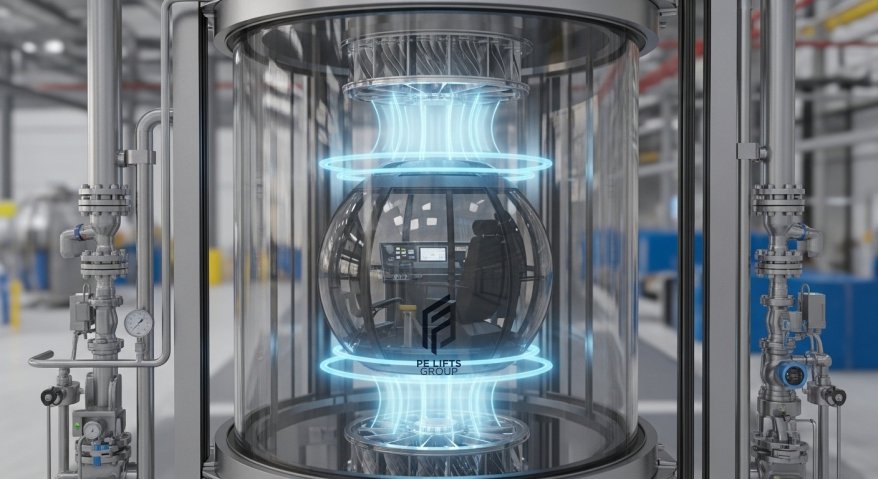
The PE Lifts Group offers specialized solutions through its subsidiary companies to address diverse building requirements. PE Lifts provides pneumatic and vacuum elevator solutions suitable for low-rise residential buildings, heritage properties, or spaces where minimal structural modification is preferred. These systems offer transparent design options and compact footprints where technically appropriate. Dove Lifts specializes in traction and machine room less elevator systems designed for commercial and residential buildings requiring higher capacity and faster travel speeds. MRL systems are particularly suitable for mid-rise buildings where space efficiency is important. Selecting the appropriate system depends on verified technical specifications, building height, passenger traffic, and available space rather than generalized assumptions.
How should power supply and operational reliability be assessed?
Power supply reliability significantly impacts elevator performance in Guinea. Developers should assess the stability of the local electrical grid and plan for backup power solutions where necessary. Voltage fluctuations, frequency variations, and power outages can affect elevator operation and passenger safety. Installing voltage regulators, uninterruptible power supplies, or backup generators helps maintain operational continuity. Elevator control systems should include features that manage power interruptions safely, such as automatic return to the nearest floor. Operational reliability also depends on proper installation, regular maintenance, and timely component replacement. Planning for power resilience during the design phase reduces downtime and enhances user confidence in the building’s vertical transportation system.
What safety and accessibility requirements matter?
Safety and accessibility are fundamental considerations for elevator installations in Guinea. Developers must ensure that elevator systems comply with applicable international safety standards and local building regulations where enforced. Key safety features include emergency communication systems, overload protection, door sensors, and brake mechanisms. Accessibility provisions should accommodate passengers with reduced mobility, including appropriate car dimensions, door widths, control panel heights, and audible or visual signals. While specific regulatory frameworks may vary, adhering to recognized engineering standards demonstrates commitment to passenger safety and inclusive design. Consulting with qualified elevator engineers ensures that safety and accessibility requirements are integrated into the system selection and installation process.
Why should maintenance be considered before installation?
Maintenance planning should begin before installation because long-term operational costs and reliability depend on proactive service strategies. PE Lifts Services offers maintenance contracts, repairs, modernization, inspections, and technical support to ensure sustained elevator performance. Developers should evaluate spare parts availability, service response times, and technician expertise when selecting an elevator provider. Annual maintenance contracts help prevent unexpected breakdowns, extend equipment lifespan, and maintain safety compliance. Planning for maintenance access, including adequate clearances around equipment and safe working conditions, facilitates efficient servicing. Considering maintenance requirements during the planning phase reduces lifecycle costs and minimizes disruption to building occupants.
How can developers choose a reliable elevator partner in Guinea?
Choosing a reliable elevator partner requires evaluating technical expertise, product quality, service capabilities, and industry reputation. Developers should verify that the provider offers comprehensive solutions from planning through installation to ongoing maintenance. Reviewing company credentials, engineering qualifications, and previous project experience helps assess capability. Transparent communication about technical specifications, installation timelines, and maintenance requirements indicates professionalism. The PE Lifts Group brings together specialized expertise through its subsidiaries to provide integrated elevator solutions. Developers should request detailed proposals, clarify scope of work, and confirm service coverage before committing to a partnership. Establishing clear expectations and contractual agreements protects both parties and supports successful project delivery.
Elevator Planning Priorities by Building Type
| Building Type | Primary Considerations | Recommended Focus Areas |
|---|---|---|
| Residential Apartments | Occupancy levels, accessibility, noise reduction | Moderate capacity, energy efficiency, quiet operation |
| Office Buildings | Peak traffic handling, speed, reliability | High capacity, fast travel times, traffic management systems |
| Hotels | Passenger comfort, aesthetics, luggage transport | Smooth rides, spacious cars, aesthetic integration |
| Shopping Centres | Crowd management, durability, accessibility | High capacity, robust construction, clear signage |
| Mixed-Use Developments | Diverse traffic patterns, zoning, flexibility | Comprehensive traffic analysis, multiple system types |
Elevator Planning Flow
Project assessment → Passenger traffic analysis → Elevator selection → Building preparation → Installation and testing → Maintenance and support.
This structured approach ensures that each phase builds upon verified information and professional engineering judgment rather than assumptions.
Frequently Asked Questions
1. When should developers engage elevator consultants? Engage elevator consultants during the initial design phase to integrate vertical transportation requirements into architectural and structural plans.
2. What determines the number of elevators needed? Passenger traffic volume, peak demand periods, building height, and acceptable waiting times determine the required number of elevators.
3. Can existing buildings accommodate new elevators? Existing buildings may accommodate new elevators if structural capacity, shaft space, and power supply are sufficient, though modifications may be required.
4. What power supply considerations are important? Stable voltage, frequency consistency, and backup power solutions are critical for reliable elevator operation in Guinea.
5. How do accessibility requirements influence elevator design? Accessibility requirements affect car dimensions, door widths, control panel placement, and signaling systems to accommodate all passengers.
6. What maintenance services are essential? Regular inspections, preventive maintenance, timely repairs, and component replacements are essential for safe and reliable elevator operation.
7. When is elevator modernization appropriate? Modernization is appropriate when existing systems become outdated, inefficient, or unable to meet current safety and performance standards.
8. How long does elevator installation take? Installation duration varies based on building complexity, system type, site conditions, and coordination with other construction activities.
9. What warranties should developers expect? Warranty terms vary by manufacturer and installer. Developers should clarify coverage scope, duration, and exclusions before signing contracts.
10. How can developers verify elevator company credentials? Verify credentials by reviewing company registrations, engineering qualifications, industry certifications, client references, and completed project portfolios.
Conclusion
Installing elevators in Guinea requires careful planning, technical expertise, and long-term service commitment. Developers who engage qualified elevator engineers early, select appropriate systems based on verified specifications, and establish comprehensive maintenance strategies create buildings that serve occupants safely and efficiently. The PE Lifts Group, through its specialized subsidiaries, offers integrated solutions for elevator planning, installation, and ongoing support. Property developers, architects, and facility managers in Guinea are invited to consult PE Lifts Group for professional guidance on elevator system selection, installation coordination, maintenance planning, modernization options, and technical support tailored to their specific project requirements.