Modern commercial elevator planning in Conakry ensures that vertical transportation systems are safe, efficient, and tailored to a building’s specific operational needs. By integrating modern elevator systems for commercial buildings early in the design phase, developers in Guinea can optimize passenger flow, enhance accessibility, and increase long-term property value. Effective planning accounts for local environmental conditions, power reliability, and strict adherence to applicable Guinean building and safety regulations. This proactive approach prevents costly retrofits and ensures seamless daily operations for all building occupants.
Why is modern elevator planning important for commercial buildings?
Commercial elevator planning Conakry is a critical engineering process that dictates how people and goods move through a structure. Poorly planned vertical transportation leads to long wait times, overcrowded cabins, and excessive wear on mechanical components. Conversely, a well-designed system maximizes usable floor space, reduces energy consumption, and ensures compliance with local construction codes. For investors and facility managers, this translates directly to lower lifecycle costs and higher tenant satisfaction. It transforms the elevator from a basic utility into a strategic asset for the building.
How can elevators improve building efficiency and user experience?
A strategically placed elevator reduces unnecessary walking distances and streamlines daily operations. In busy commercial environments, efficient passenger movement prevents lobby congestion during peak hours. Modern elevator systems for commercial buildings often feature advanced traffic management algorithms that dispatch cars based on real-time demand. This significantly reduces waiting times and improves the overall user experience. Furthermore, reliable vertical transport directly impacts a building’s marketability, making it more attractive to premium tenants, clients, and visitors.
How should developers estimate passenger traffic and capacity?
Estimating passenger traffic requires analyzing the building’s purpose, total floor count, and expected occupancy. Developers must calculate the "up-peak" traffic, which is the maximum number of people traveling from the ground floor to upper floors during the busiest period, typically in the morning. Key metrics include handling capacity and average interval time between consecutive elevator arrivals. Consulting with elevator engineers early ensures that the selected capacity and speed match the building’s actual usage patterns, avoiding both under-capacity bottlenecks and costly over-specification.
What elevator systems suit different commercial properties?
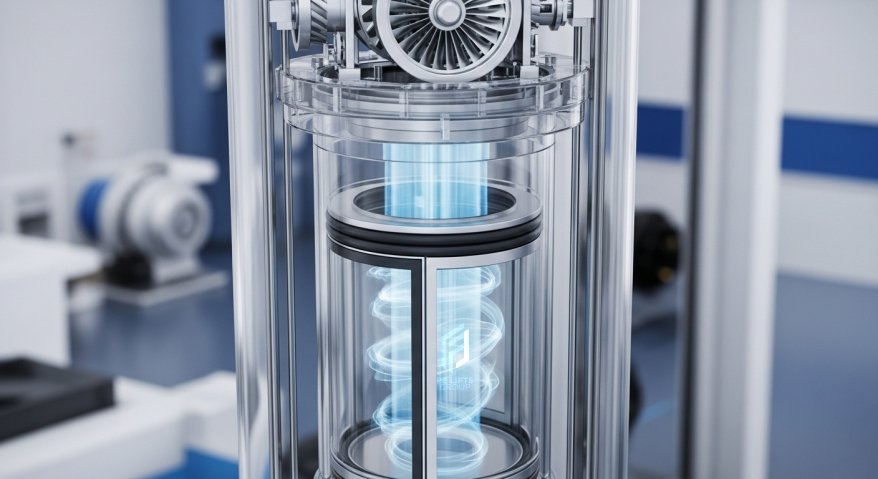
Different buildings require different technologies to operate efficiently. PE Lifts specializes in pneumatic and vacuum elevator solutions. These are ideal for low-rise commercial spaces or boutique offices where minimal structural modification and a small footprint are required. For mid-to-high-rise commercial buildings, Dove Lifts, a specialized subsidiary of PE Lifts Group, focuses on high-performance traction and machine room-less (MRL) elevator systems. These systems offer superior speed, energy efficiency, and smooth rides for high-traffic environments.
Why must elevator planning begin during architectural design?
Elevator installation Guinea must be coordinated with the architectural and structural design from day one. Retrofitting an elevator into a completed building is often costly, structurally complex, and disruptive to ongoing operations. Early planning allows architects to optimize shaft dimensions, pit depth, and overhead clearance. It also guarantees that the building’s structural framework is designed to support the dynamic loads and vibrations of the elevator machinery. Coordinating with elevator specialists during the design phase prevents costly redesigns and preserves valuable leasable floor space.
How should accessibility and safety be addressed?
Accessibility is a fundamental requirement for modern commercial buildings. Elevators must accommodate wheelchairs, mobility aids, and visually impaired users. This requires adequate cabin dimensions, appropriately positioned control panels, audible announcements, and tactile buttons. Safety must align with applicable Guinean building regulations and recognized international safety standards. Features such as emergency communication systems, automatic rescue devices, and fire-rated doors are essential. Regular technical audits help verify that all safety mechanisms function correctly under all conditions.
What power and reliability factors should developers consider?
Conakry’s tropical climate and occasional power fluctuations require robust electrical planning for any vertical transportation system. Elevators must be connected to a stable power supply equipped with appropriate surge protection and voltage regulation. For critical facilities like hospitals, data centres, or high-rise offices, integrating the elevator with the building’s backup generator is essential. This ensures safe passenger evacuation and continued operational capability during grid power outages. Additionally, machine rooms or MRL control panels must be adequately ventilated to prevent overheating, which can degrade electronic components and reduce system reliability.
How can proper maintenance protect building operations?
Preventive maintenance is the most effective strategy to reduce unexpected downtime, ensure passenger safety, and extend the lifespan of elevator equipment. PE Lifts Services provides comprehensive after-market support, including Annual Maintenance Contracts (AMC), emergency callouts, modernization projects, and detailed technical consulting. Routine servicing involves lubricating moving mechanical parts, testing safety brakes, calibrating door operators, and inspecting electrical connections. In coastal environments like Conakry, maintenance plans must also include proactive monitoring for humidity and salt-induced corrosion to protect sensitive components from premature failure.
How can developers choose the right elevator partner in Guinea?
Choosing the right partner requires evaluating technical expertise, regional experience, and the breadth of services offered. Developers should seek a provider that offers end-to-end solutions, from initial traffic analysis and system selection to installation and long-term maintenance. While PE Lifts Group actively operates in several West African nations, including Nigeria, Ghana, Senegal, Côte d'Ivoire, Benin, and Togo, they provide expert technical consulting and planning support for projects across the broader region. Always verify that the provider offers genuine spare parts, clear service level agreements, and transparent pricing without hidden costs.
Elevator Planning Priorities by Building Type
| Building Type | Primary Elevator Planning Priority | Recommended System Focus |
|---|---|---|
| Office Buildings | Handling morning up-peak traffic efficiently | High-speed traction or MRL systems |
| Shopping Centres | Moving large crowds and accommodating strollers/wheelchairs | High-capacity, wide-door traction elevators |
| Hotels | Providing smooth, quiet rides for guest comfort | Premium aesthetic MRL or traction systems |
| Hospitals | Ensuring reliable transport for stretchers and emergency equipment | Large-capacity, backup-power-enabled traction lifts |
| Mixed-Use Developments | Segregating passenger traffic (e.g., retail vs. residential) | Zoned elevator banks with destination dispatch |
Simple Elevator Planning Flow
- Building assessment: Define purpose, height, and expected occupancy.
- Traffic analysis: Calculate peak demand and handling capacity requirements.
- System selection: Choose between pneumatic, MRL, or conventional traction technologies.
- Architectural coordination: Finalize shaft dimensions, pit depth, and structural support.
- Installation and testing: Execute installation and conduct rigorous safety commissioning.
- Maintenance and support: Implement an AMC for long-term reliability and safety.
Frequently Asked Questions
1. What is the first step in commercial elevator planning Conakry?
The first step is a comprehensive building assessment to determine expected occupancy, floor count, and primary use, which informs all subsequent traffic and capacity calculations.
2. How do I determine the required elevator capacity for my building?
Capacity is determined by calculating the building’s up-peak traffic demand, ensuring the elevator can move a specific percentage of the total population within a five-minute interval without excessive wait times.
3. Can pneumatic elevators be used in commercial buildings?
Yes, PE Lifts offers pneumatic vacuum elevator solutions suitable for low-rise commercial spaces or boutique offices where minimal structural modification and a small footprint are required.
4. What is the difference between MRL and conventional traction elevators?
Machine Room-Less (MRL) elevators house machinery within the shaft, saving space and energy. Conventional traction systems require a dedicated machine room, often preferred for high-rise or heavy-duty applications.
5. How does Conakry’s climate affect elevator installation Guinea?
High humidity and coastal air can accelerate corrosion. Planning must include adequate ventilation for equipment, protective coatings for exposed metal, and regular maintenance checks for moisture-related wear.
6. Are backup power systems necessary for commercial elevators?
For critical commercial buildings, hospitals, and high-rises, connecting the elevator to a backup generator is highly recommended to ensure safe evacuation and continued operation during power outages.
7. What accessibility features should a commercial elevator include?
Elevators should feature adequate cabin dimensions for wheelchairs, lowered control panels, tactile buttons, audible floor announcements, and sufficient door opening times for users with reduced mobility.
8. How often should commercial elevators be serviced?
Commercial elevators should undergo routine preventive maintenance at intervals specified by the manufacturer, typically monthly or quarterly, depending on usage intensity and environmental conditions.
9. Does PE Lifts Services offer maintenance in Guinea?
PE Lifts Services specializes in Annual Maintenance Contracts (AMC), modernization, and technical support. While primary operational hubs are in Nigeria, Ghana, and Togo, they provide expert technical consulting and support frameworks for regional projects. Confirm current service deployment for specific locations.
10. How can I modernize an existing elevator in my commercial building?
Modernization involves upgrading outdated control systems, motors, or safety features. PE Lifts Services can conduct a technical audit to recommend cost-effective upgrades that improve reliability, energy efficiency, and safety without requiring a full shaft replacement.
Effective commercial elevator planning is a foundational investment that dictates the safety, efficiency, and long-term value of any property in Conakry. By addressing traffic flow, architectural integration, power reliability, and preventive care from the outset, developers can avoid costly retrofits and operational disruptions.
Facility in Conakry? Request a PE Lifts maintenance assessment.