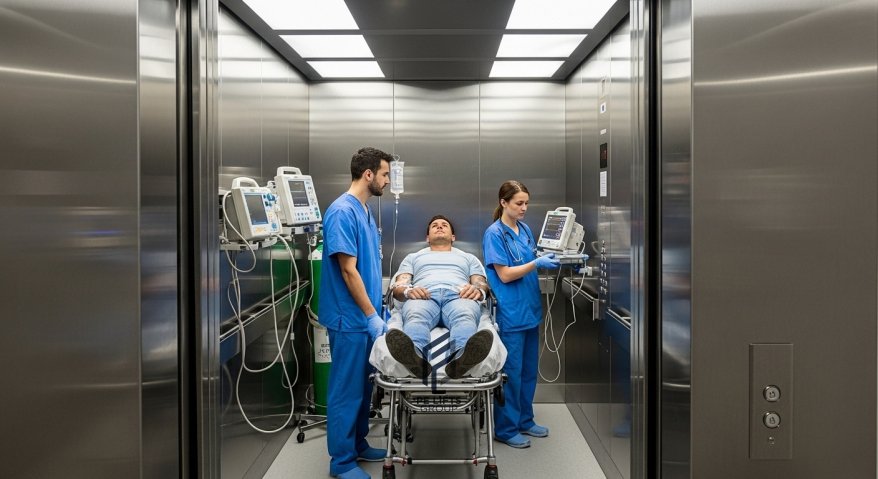
Installing or upgrading an elevator is a complex undertaking that requires precise coordination. Professional elevator project management ensures that every phase—from initial planning and equipment selection to installation, commissioning, and long-term maintenance—is executed safely, on time, and within budget. For developers, architects, contractors, engineers, property owners, and facility managers across Africa, partnering with an experienced elevator project management company like PE Lifts Group is the key to controlling project quality, mitigating risks, and ensuring seamless vertical transportation.
Why Is Planning Important in Elevator Project Management?
Effective elevator project planning begins long before the first piece of equipment arrives on site. Involving elevator specialists early in the building design and construction phases prevents costly structural modifications later. Key planning steps include:
- Site Survey and Building Assessment: Evaluating shaft dimensions, load-bearing capacities, and architectural constraints.
- Passenger Requirements: Analyzing traffic flow for office buildings, hospitals, or shopping malls to determine the right capacity and speed.
- Elevator Selection: Choosing between specialized vacuum elevators or high-capacity traction elevators based on the building’s purpose.
- Project Scope and Timeline: Defining clear milestones for delivery, installation, and coordination with other trades.
Early collaboration with an elevator project planning company in Africa ensures that the vertical transportation system aligns perfectly with the building’s overall design and operational goals.
How Should an Elevator Installation Project Be Managed?
Knowing how to manage an elevator project requires strict coordination among architects, engineers, contractors, and the elevator installation company. A well-managed installation follows a structured process:
- Equipment Preparation: Ensuring all components are delivered safely and stored correctly on-site.
- Site Coordination: Aligning elevator work with general construction schedules to avoid bottlenecks in mixed-use developments or residential projects.
- Installation: Expert assembly of mechanical and electrical components by certified technicians.
- Electrical and Mechanical Integration: Seamlessly connecting the elevator to the building’s power and control systems.
- Safety Checks, Testing, and Commissioning: Rigorous trials to verify that the system operates smoothly and meets all safety standards before handover.
Proper stakeholder coordination reduces installation errors, prevents delays, and ensures a smooth transition from construction to operation.
How Does Quality Control Improve Elevator Projects?
Quality control is not a final step; it is a continuous process throughout the project lifecycle. An expert elevator project management company enforces strict standards across:
- Equipment Quality: Verifying that all parts meet international safety and performance benchmarks.
- Installation Standards: Monitoring workmanship to ensure precise alignment and secure fittings.
- Safety Testing and Performance Checks: Conducting load tests, emergency brake checks, and door operation trials.
- Documentation and Final Handover: Providing comprehensive manuals, compliance records, and as-built drawings.
Continuous quality assurance protects the investment and guarantees that the elevator performs reliably from day one.
Why Should Maintenance Be Planned Before Installation Is Complete?
The lifespan and reliability of an elevator depend heavily on proactive care. Planning maintenance before installation is complete offers several advantages:
- Preventive Maintenance and Inspection Schedules: Establishing routine check-ups to catch minor issues before they cause breakdowns.
- Spare Parts Planning: Ensuring critical components are readily available to minimize downtime.
- Emergency Support and Long-Term Technical Support: Setting up rapid response protocols for unexpected failures.
- Modernization Readiness: Designing systems with future upgrades in mind, extending the equipment's lifecycle.
For facility managers in government buildings or industrial facilities, early maintenance planning translates to higher uptime and lower lifetime costs.
How Do PE Lifts, Dove Lifts, and PE Lifts Services Support Elevator Projects?
PE Lifts Group provides end-to-end elevator project management services through its specialized subsidiaries, ensuring a unified approach across Africa:
- PE Lifts: Specializes in innovative vacuum elevators and specialized architectural solutions, ideal for luxury residential developments and boutique hotels where space and aesthetics are paramount.
- Dove Lifts: Focuses on robust traction elevators and comprehensive commercial elevator solutions, perfectly suited for high-traffic environments like shopping malls, office buildings, and hospitals.
- PE Lifts Services: The dedicated after-sales division, providing preventive maintenance, modernization, repairs, technical inspections, and 24/7 emergency support across Nigeria, Ghana, and Togo.
Together, these brands under the PE Lifts Group umbrella offer a seamless lifecycle solution. From the initial site survey by Dove Lifts or PE Lifts, through to decades of reliable care by PE Lifts Services, clients benefit from a single, accountable partner.
Why Should Developers Choose PE Lifts Group for Elevator Project Management?
Choosing PE Lifts Group means partnering with a trusted elevator project management company that understands the unique infrastructural and operational landscapes of Africa. Whether you are developing a mixed-use complex, a hospital, or a government facility, PE Lifts Group delivers:
- Early-stage technical consultation to optimize building design.
- Flawless coordination during installation and commissioning.
- A unified warranty and long-term support structure.
By managing the entire lifecycle, PE Lifts Group eliminates the friction of dealing with multiple vendors, ensuring accountability, cost predictability, and superior project outcomes.
Comparison: Poor vs. Professional Elevator Project Management
| Project Phase | Poor Elevator Project Management | Professional Elevator Project Management |
|---|---|---|
| Planning | Late involvement, leading to costly structural changes. | Early site surveys and seamless architectural integration. |
| Communication | Siloed teams, causing delays and misunderstandings. | Centralized coordination among all stakeholders. |
| Installation | Rushed work, leading to misalignments and rework. | Structured, certified installation following strict protocols. |
| Quality Control | Checked only at the end, missing hidden defects. | Continuous monitoring from delivery to final handover. |
| Timeline | Frequent delays due to poor logistics and coordination. | Predictable milestones with proactive risk mitigation. |
| Commissioning | Minimal testing, risking post-handover failures. | Rigorous safety and performance testing before operation. |
| Maintenance | Reactive repairs only after a breakdown occurs. | Proactive, scheduled preventive maintenance plans. |
| Long-Term Performance | Shortened lifespan and high unexpected repair costs. | Extended equipment life and optimized operational costs. |
Key Focus Areas in Elevator Project Management
(Note for Web Implementation: This data can be rendered as a simple bar chart using Chart.js or similar libraries)
- Planning: 9/10 (Foundation of all project success)
- Installation: 8/10 (Critical for mechanical and electrical integrity)
- Quality Control: 9/10 (Ensures safety and regulatory compliance)
- Safety: 10/10 (Non-negotiable priority at every stage)
- Commissioning: 8/10 (Validates total system readiness)
- Maintenance Planning: 9/10 (Guarantees long-term reliability and uptime)
Frequently Asked Questions (FAQs)
1. What is elevator project management?
Elevator project management is the coordinated process of planning, executing, and overseeing an elevator installation or modernization project from initial design to final commissioning and long-term maintenance.
2. How do I manage an elevator project effectively?
Engage an experienced elevator project management company early in the design phase, establish clear communication channels with all contractors, and enforce strict quality control and safety testing protocols throughout the installation.
3. Why is early elevator project planning important for commercial buildings?
Early planning ensures the elevator shaft, machine room, and power requirements are correctly integrated into the architectural design, preventing costly structural modifications during construction.
4. What role does an elevator installation company play in project management?
An elevator installation company handles the safe delivery, precise mechanical and electrical assembly, and rigorous testing of the elevator system, ensuring it meets all operational and safety standards.
5. How does quality control improve elevator installation projects?
Continuous quality control ensures that every component is installed to manufacturer specifications, reducing the risk of premature wear, safety hazards, and post-handover breakdowns.
6. Why should maintenance be planned before the elevator is installed?
Planning maintenance early ensures that preventive care schedules, spare parts availability, and emergency response protocols are in place from day one, maximizing equipment reliability and minimizing downtime.
7. What is the difference between PE Lifts, Dove Lifts, and PE Lifts Services?
PE Lifts specializes in vacuum and specialized elevators; Dove Lifts focuses on traction and commercial elevator solutions; PE Lifts Services provides comprehensive maintenance, modernization, and technical support. All operate seamlessly under PE Lifts Group.
8. How long does an elevator installation project typically take?
Timelines vary based on building complexity, elevator type, and site readiness. Partnering with a professional elevator project management company ensures realistic scheduling and minimizes delays through proactive coordination.
Conclusion
Successful elevator projects require meticulous planning, expert installation management, continuous quality control, thorough commissioning, and proactive maintenance planning. By partnering with PE Lifts Group, developers, architects, contractors, engineers, property owners, and facility managers across Africa gain a unified, accountable partner for all their vertical transportation needs.
Ready to Elevate Your Next Project?
Are you planning a new development or upgrading an existing facility? Contact PE Lifts Group today for comprehensive elevator project planning, site surveys, equipment selection, and seamless installation. Whether you need vacuum elevators, commercial traction solutions, or long-term preventive maintenance, modernization, repairs, and technical support, our expert team is ready to deliver safe, reliable, and efficient vertical transportation across Africa.
Visit peliftsgroup.com, pelifts.com, dovelifts.com, or peliftsservices.com to connect with our specialists and start your project with confidence.