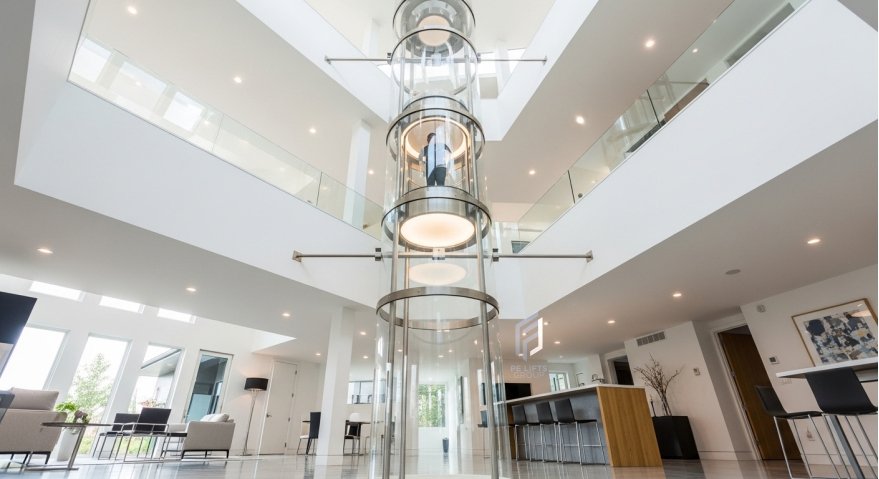
Vertical transportation is a critical component of modern building infrastructure. As a professional elevator engineering group, PE Lifts Group designs and integrates complex systems that require precise coordination. When maintenance or repairs are needed, PE Lifts Services steps in to provide expert technical support.
For facility managers, understanding the importance of genuine elevator parts is essential for maintaining safety and efficiency. Using the correct elevator replacement components ensures your system operates exactly as engineered. This guide explores why sourcing quality elevator spare parts and utilizing professional installation is vital for your building.
1. What are genuine elevator parts?
Genuine elevator parts are components manufactured to the exact specifications of the original equipment manufacturer (OEM). They are designed, tested, and certified to work seamlessly within a specific elevator model, ensuring optimal performance and safety.
2. Why do elevator components need to match the existing system?
Elevators are highly integrated machines. Whether it is a standard passenger lift or an advanced traction system engineered by Dove Lifts or PE Lifts, every component relies on precise mechanical and software communication. Mismatched parts disrupt this harmony, leading to operational inefficiencies.
3. How can unsuitable replacement components affect elevator performance?
Using unsuitable elevator replacement components can cause jerky rides, increased noise, and higher energy consumption. The system may struggle to synchronize motor speeds with door operations, resulting in a degraded passenger experience.
4. What risks can poor quality or incompatible parts create?
Incompatible parts can trigger unexpected fault codes, cause premature wear on adjacent components, and potentially compromise safety circuits. While modern systems have robust backups, relying on unverified parts increases the likelihood of unplanned downtime.
5. How can genuine components support elevator reliability?
The importance of genuine elevator parts lies in their proven reliability. Because they are tested alongside the original system, they perform consistently under varying loads and speeds, minimizing unexpected breakdowns and ensuring smooth daily operation.
6. How do suitable parts help maintenance teams diagnose faults?
When PE Lifts Services technicians use known, compatible parts, they can accurately isolate issues. If an unsuitable part is installed, it can create "ghost faults," making it difficult for maintenance teams to diagnose the actual root cause of a problem.
7. Can quality replacement parts help protect equipment lifespan?
Yes. Quality elevator spare parts reduce unnecessary friction and electrical stress on the system. By operating within designed tolerances, they prevent cascading damage, thereby protecting the overall lifespan of the elevator equipment.
8. Why is technical compatibility important during repairs?
Modern elevators rely on complex software and hardware integration. A new motor drive must communicate perfectly with the main controller. Technical compatibility ensures that digital signals and power outputs are perfectly synchronized.
9. What should building owners check before approving replacement parts?
Owners should verify the exact part numbers, check for OEM or approved manufacturer endorsements, and review the accompanying technical documentation to ensure the part matches the specific elevator model.
10. Why should elevator parts be installed by qualified technicians?
Installation is not just about physical fitting; it requires precise calibration. Qualified technicians from PE Lifts Services ensure that the new component is correctly integrated, calibrated, and tested before the elevator is returned to service.
Component Comparison: Genuine vs. Unsuitable Parts
| Feature | Genuine or Approved Components | Unsuitable or Incompatible Components |
|---|---|---|
| Compatibility | Perfectly matches OEM software and hardware specifications. | May require workarounds, causing integration errors. |
| Reliability | Tested for long-term, consistent performance. | Prone to premature failure and unpredictable behavior. |
| Maintenance | Simplifies routine servicing and fault finding. | Complicates diagnostics and increases service time. |
| Safety Considerations | Meets original safety certifications and standards. | May bypass or interfere with safety circuit logic. |
| Equipment Performance | Maintains original ride quality and energy efficiency. | Can cause rough rides, noise, and higher power draw. |
| Troubleshooting | Allows technicians to isolate faults accurately. | Creates secondary faults, masking the real issue. |
| Lifecycle Considerations | Extends the overall operational life of the elevator. | Accelerates wear and tear on connected systems. |
Elevator Part Replacement Process Flow
To ensure safety and compliance, professional technicians follow a strict protocol when replacing components:
Fault Identification → Component Assessment → Part Selection → Compatibility Check → Professional Installation → Testing → Maintenance Record
Key Considerations for Building Owners
Before authorizing any repair or modernization work, building owners must consider several critical factors. First, the exact elevator model must be identified to ensure the correct baseline. Second, manufacturer requirements must be strictly followed to maintain system integrity and warranty validity. Third, component compatibility must be verified against the existing controller and drive systems. Fourth, comprehensive technical documentation should be provided by the supplier to prove the part's origin and specifications. Finally, qualified installation by certified engineers is non-negotiable to ensure the part is calibrated correctly.
10 FAQs About Genuine Elevator Parts
1. What defines genuine elevator parts? Genuine elevator parts are original components manufactured to the exact specifications of the elevator’s original equipment manufacturer (OEM).
2. Why is the importance of genuine elevator parts emphasized by engineers? Engineers emphasize this because OEM parts are tested to work seamlessly with the specific software and mechanical tolerances of the elevator system, ensuring safety and reliability.
3. Can I use third-party elevator replacement components? While some third-party parts are approved for specific uses, unapproved components can void warranties and cause system integration issues. Always consult with PE Lifts Services before using non-OEM parts.
4. How do quality elevator spare parts affect maintenance costs? Quality elevator spare parts reduce the frequency of breakdowns and prevent secondary damage to other components, ultimately lowering long-term maintenance and repair costs.
5. Where can building owners source genuine elevator parts? Building owners should source parts directly through authorized maintenance providers like PE Lifts Services to guarantee authenticity and proper documentation.
6. Do genuine parts come with technical documentation? Yes, authentic components are always accompanied by technical documentation, including part numbers, origin verification, and installation guidelines.
7. How long do quality elevator spare parts last? Quality elevator spare parts are designed to match the original lifecycle expectations of the elevator system, often lasting many years when properly maintained.
8. What happens if incompatible parts are installed? Incompatible parts can cause communication errors between the controller and the drive, leading to erratic behavior, unexpected stops, and increased wear on the machinery.
9. Are genuine elevator parts more expensive initially? While the initial purchase price may be higher than unverified alternatives, the total cost of ownership is lower due to increased reliability, fewer breakdowns, and extended equipment life.
10. Who should install elevator replacement components? Only qualified and certified elevator technicians, such as those at PE Lifts Services, should install replacement components to ensure proper calibration and safety compliance.
Secure Your Building’s Vertical Transportation
The performance, safety, and longevity of your elevator system depend heavily on the components used to maintain it. Cutting corners on elevator replacement components can lead to costly downtime and compromised passenger safety.
Building owners, facility managers, and property developers: protect your investment and ensure seamless vertical transportation. Always use qualified elevator professionals when sourcing and replacing elevator components. Contact PE Lifts Group and PE Lifts Services today to discuss your maintenance needs, modernization projects, and to source verified, high-quality parts for your elevator systems.