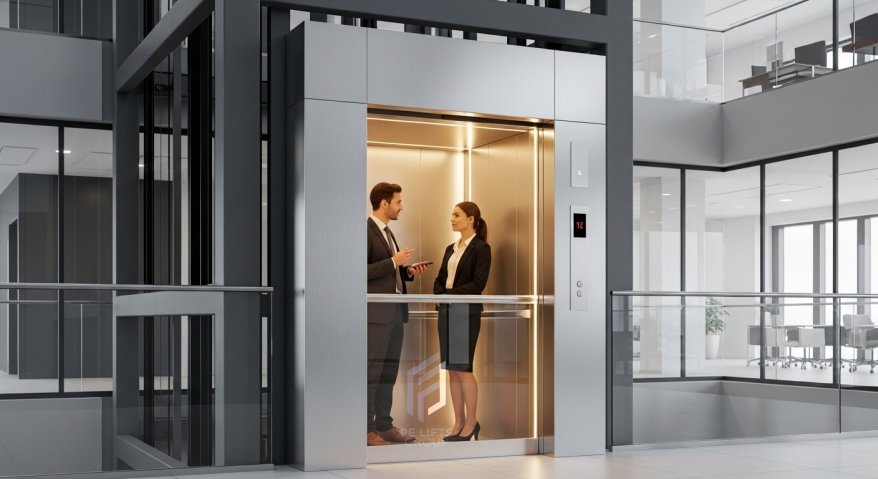
Accra’s hospitality sector is expanding rapidly, with new boutique hotels, business centers, and luxury resorts reshaping the city’s skyline. For hotel owners and developers, the guest experience begins long before check-in; it starts with seamless vertical movement. Poorly planned elevator operations can lead to long wait times, frustrated guests, and inefficient staff workflows. Conversely, a well-engineered vertical transportation system enhances accessibility, improves operational efficiency, and elevates the brand’s reputation.
Planning hotel elevator operations in Accra requires more than just selecting a cabin size. It demands a holistic strategy that considers traffic patterns, building architecture, energy efficiency, and long-term reliability. By partnering with specialized engineering firms, hoteliers can ensure their vertical transport systems meet the unique demands of Ghana’s dynamic hospitality market.
Why Do Hotels Need a Different Elevator Strategy?
Unlike residential buildings or standard office blocks, hotels operate 24/7 with highly variable traffic peaks. Morning rushes involve guests heading to breakfast or conferences, while evening peaks see movement toward restaurants and bars. Furthermore, hotels must balance guest comfort with behind-the-scenes logistics, such as luggage handling, housekeeping cart movement, and room service delivery.
A generic elevator solution often fails to address these dual needs. In Accra, where power stability and humidity can impact mechanical systems, hotels require robust hotel elevator systems in Accra that are engineered for high availability and low maintenance. A tailored strategy ensures that elevators are not just functional but are integral to the hotel’s operational success.
How Should Hotels Estimate Passenger Traffic?
Accurate traffic analysis is the foundation of effective elevator planning. Hotel planners must consider the number of rooms, the presence of conference facilities, restaurants, and spas, and the expected occupancy rates. For instance, a business hotel in Airport City will experience different peak hours compared to a leisure resort in Labadi.
Engineers use simulation models to predict "up-peak" and "down-peak" traffic. This data helps determine the number of elevators required, their speed, and their capacity. Underestimating traffic leads to congestion, while overestimating results in unnecessary capital expenditure. Professional assessment ensures that elevator installation for hotels in Ghana is right-sized for actual usage rather than theoretical maximums.
How Should Guest and Service Movement Be Planned?
Efficient hotels separate guest flows from service flows. Guests expect privacy and speed, while service staff require access to all floors for cleaning, maintenance, and deliveries. Mixing these flows can lead to awkward encounters and delayed service.
Ideally, hotels should designate specific elevators for service use, often located near staff entrances or service corridors. These service elevators must be durable enough to handle heavy loads, such as laundry carts and food trolleys. Meanwhile, guest elevators should prioritize aesthetics, smooth rides, and quiet operation. Proper zoning ensures that commercial elevators in Accra serve their intended purpose without compromising the guest experience.
Where Should Elevators Be Positioned?
Location impacts both convenience and construction costs. Elevators should be centrally located to minimize walking distances for guests arriving at their rooms. In larger hotels, multiple elevator banks may be necessary to serve different wings or zones.
Architects and engineers must also consider the structural core of the building. Integrating elevator shafts early in the design phase prevents costly modifications later. For retrofits or boutique hotels with limited space, compact solutions like pneumatic vacuum elevators may offer a viable alternative for low-rise sections or VIP suites, providing a modern aesthetic without extensive structural changes.
Which Elevator System May Suit a Hotel?
The choice of elevator technology depends on the building’s height, usage intensity, and design vision.
- Traction and MRL Systems: For mid-to-high-rise hotels, Machine Room-Less (MRL) traction elevators are often the standard. They offer high speed, large capacity, and energy efficiency. Dove Lifts, a specialist within the PE Lifts Group, provides advanced traction and MRL systems designed for commercial and hospitality applications, ensuring reliable performance in high-traffic environments.
- Pneumatic Vacuum Elevators: For boutique hotels, lobbies, or low-rise annexes, pneumatic elevators offer a striking visual appeal. These glass-tube elevators require no machine room and minimal structural support. PE Lifts specializes in these innovative solutions, offering a unique blend of design and functionality that can serve as a architectural centerpiece.
Choosing the right system involves balancing technical requirements with architectural goals.
How Can Accessibility Be Considered?
Accessibility is not just a regulatory requirement; it is a cornerstone of inclusive hospitality. Elevators must accommodate wheelchairs, strollers, and guests with mobility aids. This means ensuring adequate cabin dimensions, appropriate door widths, and accessible control panels with Braille and auditory signals.
In Accra, where tourism is growing, adhering to international accessibility standards ensures that hotels welcome a broader range of guests. Proper planning ensures that every guest, regardless of physical ability, can navigate the hotel with dignity and ease.
How Can Hotels Reduce Elevator Downtime?
Downtime is costly for hotels, leading to guest complaints and operational bottlenecks. Reducing downtime starts with choosing high-quality components and professional installation. However, the most critical factor is ongoing maintenance.
PE Lifts Services, the maintenance arm of the group, offers comprehensive Annual Maintenance Contracts (AMC), repairs, and modernization services. Regular inspections identify wear and tear before it leads to failure. In Accra’s climate, where dust and humidity can affect electrical components, proactive maintenance is essential for longevity.
Why Is Preventive Maintenance Important?
Preventive maintenance extends the lifespan of elevator systems and ensures safety compliance. It includes lubrication of moving parts, testing of safety brakes, and inspection of electrical systems. For hotel managers, a robust maintenance plan provides peace of mind and protects their investment.
Neglecting maintenance can lead to sudden breakdowns, which are particularly damaging during peak seasons. Partnering with a dedicated service provider ensures that technical support is available when needed, minimizing disruption to hotel operations.
What Should Hotel Owners Consider Before Choosing an Elevator Company?
When selecting a partner for hotel elevator maintenance in Ghana, owners should look for:
- Local Expertise: Understanding of Accra’s building codes and environmental conditions.
- Comprehensive Services: Ability to handle installation, maintenance, and modernization.
- Technical Authority: Access to specialized engineering knowledge across different elevator types.
- Response Time: Quick support for emergencies.
The PE Lifts Group stands out as a unified authority, combining the innovation of PE Lifts, the commercial strength of Dove Lifts, and the technical reliability of PE Lifts Services. This integrated approach ensures that hotels receive end-to-end support from planning to daily operations.
Comparison of Elevator Planning Considerations
| Feature | Budget Hotel | Business Hotel | Luxury Hotel | Mixed-Use Hospitality |
|---|---|---|---|---|
| Primary Focus | Cost Efficiency | Speed & Reliability | Comfort & Aesthetics | Versatility |
| Elevator Type | Basic Traction | MRL Traction | High-End Traction / Pneumatic | Mixed Systems |
| Traffic Demand | Moderate | High Peak Hours | Steady / Personalized | Variable / Complex |
| Service Separation | Limited | Recommended | Essential | Critical |
| Maintenance Needs | Standard AMC | Frequent Inspections | Premium Support | Comprehensive AMC |
Strategic Planning Flow for Hotel Elevators
To ensure successful implementation, hotel projects should follow a structured planning flow:
- Hotel Assessment: Analyze building height, room count, and amenities.
- Traffic and Usage Planning: Model guest and staff movement patterns.
- Elevator Selection: Choose between traction, MRL, or pneumatic systems based on needs.
- Layout and Integration: Design shaft locations and lobby integration.
- Installation: Professional execution by certified engineers.
- Testing: Rigorous safety and performance checks.
- Maintenance and Support: Ongoing care via AMC and technical support.
Frequently Asked Questions
1. What is the best elevator type for a boutique hotel in Accra? For low-rise boutique hotels, pneumatic vacuum elevators offer a modern, space-saving solution with high visual appeal. For taller structures, MRL traction elevators provide efficiency and speed.
2. How many elevators does a 50-room hotel need? This depends on floor count and usage. A professional traffic analysis is required, but typically, one or two elevators may suffice for low-rise buildings, while mid-rise hotels may require a bank of two or three.
3. Can existing hotels upgrade their elevators? Yes, modernization services can update old systems with new controls, doors, and cabins, improving efficiency and aesthetics without full replacement.
4. How important is energy efficiency for hotel elevators? Very important. Energy-efficient drives and LED lighting reduce operational costs. Regenerative drives can feed energy back into the building’s grid.
5. What maintenance schedule is recommended for hotel elevators? Quarterly inspections are standard, with monthly checks for high-traffic units. An Annual Maintenance Contract (AMC) ensures consistent care.
6. Do pneumatic elevators require a machine room? No, one of their key advantages is that they do not require a separate machine room, saving valuable space.
7. How long does elevator installation take for a new hotel? Timeline varies by complexity, but typically ranges from a few weeks for single units to several months for full banks in large constructions.
8. Are there specific safety regulations for elevators in Ghana? Yes, installations must comply with local building codes and international safety standards. Professional installers ensure full compliance.
9. Can elevators be customized to match hotel interior design? Absolutely. Cabins can be customized with various materials, lighting, and finishes to align with the hotel’s brand identity.
10. Who should I contact for comprehensive elevator solutions in Accra? For end-to-end support, consult the PE Lifts Group. With specialists in pneumatic systems (PE Lifts), commercial traction systems (Dove Lifts), and maintenance (PE Lifts Services), they offer a complete solution for hoteliers in Accra.
Conclusion
Planning better elevator operations in Accra requires a strategic approach that balances guest experience, operational efficiency, and technical reliability. By understanding traffic patterns, separating service flows, and choosing the right technology, hotel owners can create a seamless vertical journey for their guests.
Whether you are developing a new luxury resort or upgrading an existing business hotel, partnering with a trusted engineering authority is crucial. The PE Lifts Group offers the expertise, technology, and support needed to elevate your hospitality project. Contact us today for expert consultation on elevator planning, installation, and maintenance in Accra.