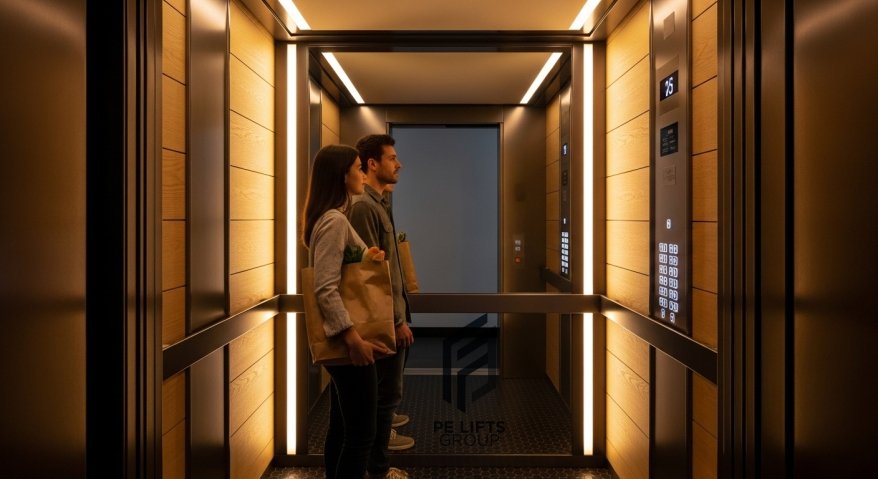
Lagos is experiencing a vertical transformation. As land becomes scarce and urban density increases, multi-storey buildings are no longer just an option; they are a necessity. For developers, architects, and property owners, the challenge is not just constructing height, but ensuring efficient movement within it. This is where elevator access Lagos strategies become critical. Poorly planned vertical transportation leads to congestion, reduced property value, and long-term operational headaches.
Planning elevator access requires more than selecting a brand. It demands a holistic engineering approach that considers building height, passenger traffic patterns, architectural layout, and long-term maintenance. PE Lifts Group serves as a comprehensive elevator engineering partner in Nigeria, coordinating specialized solutions through its subsidiaries: Dove Lifts for high-capacity traction and Machine Room-Less (MRL) systems, PE Lifts for innovative pneumatic and vacuum technologies, and PE Lifts Services for lifelong maintenance and technical support.
Why is elevator access important in multi storey buildings?
Elevator access defines the usability of a building. In a multi-storey structure, elevators are the primary arteries for human movement. Efficient access ensures that residents, employees, or guests can reach their destinations quickly and safely. Poor planning results in long wait times, overcrowding during peak hours, and frustration. For commercial properties in Lagos, such as offices in Ikeja or hotels in Victoria Island, inefficient elevator systems directly impact tenant satisfaction and rental yields. Accessibility is also a legal and ethical imperative, ensuring that individuals with mobility challenges can navigate the building independently.
When should elevator access be planned during construction?
Elevator planning must begin at the conceptual design phase, not during construction. Integrating elevator requirements early prevents costly structural modifications later. Architects need to know shaft dimensions, pit depths, and overhead clearances before finalizing floor plans. Engaging an elevator partner like PE Lifts Group during the initial design stage ensures that the building’s core is optimized for vertical transportation. This early collaboration allows for seamless coordination between structural engineers and elevator specialists, reducing delays and budget overruns.
How does building height affect elevator planning?
Building height dictates the type of elevator technology required. Low-rise buildings (up to 6 floors) may benefit from compact solutions like those offered by PE Lifts, which require minimal structural modification. Mid-rise and high-rise buildings typically require traction systems provided by Dove Lifts, which offer higher speeds and greater capacity. The higher the building, the more critical speed, acceleration, and ride comfort become. Additionally, taller buildings may require multiple elevator zones or sky lobbies to manage traffic efficiently.
How should passenger traffic influence elevator selection?
Passenger traffic analysis determines the number, size, and speed of elevators needed. A residential building has different traffic patterns compared to an office tower. Residential buildings see peaks in the morning and evening, while office buildings experience heavy inbound traffic in the morning and outbound traffic in the evening. Hotels require consistent service throughout the day. Understanding these patterns helps in selecting the right elevator configuration. For instance, a busy commercial elevator in Lagos might need larger cabins and faster door operations to handle high footfall.
How should elevators be positioned within a building?
Strategic positioning minimizes travel time and maximizes convenience. Elevators should be located near main entrances but separated from high-noise areas. In large floor plates, multiple elevator banks may be necessary to reduce walking distance. Visibility is also key; passengers should easily locate elevator lobbies. Proper positioning also considers emergency egress routes and fire safety regulations. An experienced elevator company Lagos Nigeria can advise on optimal placement based on the building’s specific layout and usage.
What should developers consider for accessibility?
Accessibility goes beyond compliance. It involves creating an inclusive environment for all users. Elevators must accommodate wheelchairs, strollers, and service animals. This requires adequate cabin dimensions, appropriate door widths, and accessible control panels with Braille and audible signals. In Lagos, where multi-generational living is common, accessibility features enhance the appeal of residential properties. Ensuring smooth level entry and clear signage contributes to a user-friendly experience.
What elevator systems may suit different multi storey buildings?
Different building types require different technologies. Dove Lifts specializes in traction and MRL systems, ideal for mid-to-high-rise commercial and residential buildings where speed and capacity are paramount. These systems are energy-efficient and reliable for heavy daily use. On the other hand, PE Lifts offers pneumatic vacuum elevators, which are perfect for low-rise luxury residences or retrofit projects where minimal construction impact is desired. These systems do not require a deep pit or machine room, offering design flexibility. Choosing the right system depends on the building’s height, usage, and architectural constraints.
How should shaft, pit, overhead and space requirements be coordinated?
Structural coordination is vital. Each elevator type has specific spatial needs. Traction elevators require a machine room or MRL space, a deep pit, and significant overhead clearance. Pneumatic elevators have smaller footprints and shallow pits. Architects must allocate sufficient space for the shaft, ensuring it aligns with structural columns. Misalignment can lead to expensive corrective work. Early consultation with PE Lifts Group ensures that all spatial requirements are integrated into the building’s structural design.
Why should power and backup considerations be addressed early?
Power stability is a crucial factor in Lagos. Elevators require consistent power supply for safe operation. Developers must plan for dedicated electrical circuits and backup power sources, such as generators or UPS systems. Modern elevators come with energy-saving features, but they still need reliable power infrastructure. Addressing these requirements early prevents operational disruptions and ensures passenger safety during power outages. PE Lifts Services can assist in designing robust power solutions tailored to local conditions.
How can Lagos property owners choose the right elevator partner?
Choosing the right partner involves evaluating expertise, product range, and after-sales support. PE Lifts Group offers a complete lifecycle solution. With Dove Lifts providing robust traction systems, PE Lifts offering innovative vacuum technology, and PE Lifts Services ensuring ongoing maintenance, developers have a single point of contact for all elevator needs. Look for a partner with local presence, technical expertise, and a proven track record in the Nigerian market.
Comparison of Elevator Needs by Building Type
| Building Type | Primary Traffic Pattern | Recommended System | Key Consideration |
|---|---|---|---|
| Residential | Peak morning/evening | PE Lifts (Low-rise), Dove Lifts (High-rise) | Quiet operation, privacy, accessibility |
| Office | Heavy inbound/outbound peaks | Dove Lifts (Traction/MRL) | Speed, capacity, durability |
| Hotel | Consistent daytime usage | Dove Lifts (Traction) | Ride comfort, aesthetics, luggage space |
| Mixed Use | Complex, varied patterns | Hybrid (Dove + PE Lifts) | Zoning, separate access for retail/residential |
The Elevator Planning Flow
To ensure success, follow this structured approach:
- Building Design: Define height and layout.
- Occupancy Assessment: Estimate number of users.
- Traffic Planning: Analyze peak times and flow.
- Elevator Selection: Choose technology (Traction vs. Pneumatic).
- Architectural Coordination: Finalize shaft and space details.
- Installation: Professional execution by certified technicians.
- Testing: Rigorous safety and performance checks.
- Handover: Documentation and training.
- Maintenance: Ongoing support via PE Lifts Services.
Frequently Asked Questions
1. What is the best elevator for a 5-storey residential building in Lagos? For low-rise luxury homes, PE Lifts pneumatic elevators are excellent due to their small footprint and easy installation. For larger apartment blocks, Dove Lifts MRL systems offer better capacity.
2. How long does elevator installation take in Lagos? Installation time varies by complexity. A pneumatic elevator may take a few weeks, while a traction system for a high-rise can take several months. Early planning minimizes delays.
3. Do I need a machine room for my elevator? Not necessarily. Dove Lifts offers Machine Room-Less (MRL) systems, and PE Lifts pneumatic elevators do not require a separate machine room, saving valuable space.
4. How often should elevators be serviced in Lagos? Regular maintenance is crucial. PE Lifts Services recommends monthly inspections to ensure safety and reliability, especially given local environmental conditions.
5. Can existing buildings be retrofitted with elevators? Yes. PE Lifts vacuum elevators are ideal for retrofits as they require minimal structural changes. Dove Lifts also provides modernization services for older traction systems.
6. What power backup is recommended for elevators? A dedicated generator or UPS system is essential to ensure safe operation during power outages. PE Lifts Services can help design the right power solution.
7. How do I calculate the number of elevators needed? This depends on building height, occupancy, and traffic patterns. A professional traffic analysis by PE Lifts Group can determine the optimal number and size.
8. Are pneumatic elevators safe for high-rise buildings? Pneumatic elevators are best suited for low-to-mid-rise applications. For high-rise buildings, Dove Lifts traction systems are the safer and more efficient choice.
9. What certifications should an elevator company in Nigeria have? Look for companies adhering to international safety standards (such as EN81) and local regulatory requirements. PE Lifts Group maintains rigorous quality and safety protocols.
10. How can I improve the energy efficiency of my building’s elevators? Choose MRL systems from Dove Lifts or regenerative drive technologies. Regular maintenance by PE Lifts Services also ensures optimal performance and energy savings.
Conclusion
Planning elevator access for multi-storey buildings in Lagos requires foresight, technical expertise, and the right partners. By addressing height, traffic, accessibility, and maintenance early, developers can create efficient, valuable, and user-friendly properties. PE Lifts Group stands ready to support Lagos developers, architects, and property owners with comprehensive solutions from Dove Lifts, PE Lifts, and PE Lifts Services. Contact us today to integrate superior vertical transportation into your next project.