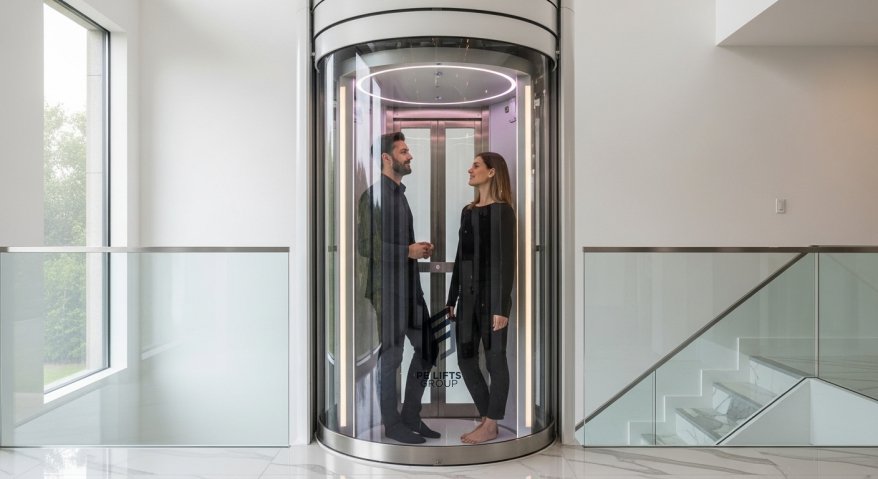
For property developers and building owners in Nigeria, selecting the right passenger elevator Nigeria is a critical decision that impacts tenant satisfaction, property value, and long-term operational costs. The best passenger elevator for an apartment building is not a one-size-fits-all solution; it depends on the building’s height, the number of residential units, available shaft space, and expected passenger traffic. Generally, traction and Machine Room Less (MRL) systems are preferred for mid-to-high-rise apartments due to their speed and efficiency, while pneumatic or hydraulic options may suit specific low-rise or retrofit projects. A professional technical assessment is essential to match the elevator technology to your specific architectural and operational needs.
What Factors Should Developers Consider Before Choosing an Elevator?
Choosing an apartment building elevator Nigeria requires a holistic view of the building’s lifecycle. It is not just about moving people from point A to point B; it is about ensuring safety, comfort, and reliability for years to come.
1. Passenger Capacity and Traffic
The number of people an elevator should accommodate is determined by the building’s occupancy. For a standard residential apartment, a capacity of 4 to 6 passengers (approx. 320kg to 450kg) is common for smaller buildings, while larger complexes may require 8 to 13 passengers (630kg to 1000kg). Developers must estimate peak usage times, such as morning rush hours or evening returns, to ensure waiting times remain reasonable. High-traffic buildings may require multiple elevators or larger cabins to prevent bottlenecks.
2. Building Height and Number of Floors
The total travel distance significantly influences the choice of technology.
- Low-rise buildings (2–4 floors): May consider hydraulic or pneumatic systems if space allows, though traction systems are increasingly common due to their energy efficiency.
- Mid-rise buildings (5–12 floors): Traction and MRL elevators are the industry standard, offering a balance of speed, cost, and space efficiency.
- High-rise buildings (13+ floors): High-speed traction elevators are required to maintain acceptable travel times and passenger comfort.
3. Available Space and Shaft Dimensions
Architects must coordinate early with elevator suppliers to define the shaft dimensions, pit depth, and overhead clearance.
- Shaft Dimensions: Must accommodate the cabin, counterweights (for traction), and guide rails.
- Pit Depth: Required for the buffer system at the bottom of the shaft. Some modern systems require minimal pit depth, which is beneficial for existing buildings.
- Overhead Clearance: The space above the top floor needed for the elevator machinery and safety components.
- Machine Room: Traditional traction elevators require a separate machine room, whereas MRL systems integrate the machinery into the shaft, saving valuable rentable space.
4. Cabin and Door Dimensions
Comfort and accessibility are paramount. Cabin sizes should allow for the easy movement of furniture, luggage, and mobility aids like wheelchairs. Door widths typically range from 800mm to 900mm for residential use, but wider doors enhance accessibility. The interior design, including lighting, flooring, and ventilation, should complement the apartment’s aesthetic.
5. Safety Features
A residential passenger lift must comply with rigorous safety standards. Essential features include:
- Door sensors to prevent closing on passengers.
- Emergency communication systems (intercoms) connected to a 24/7 monitoring center.
- Overload protection alarms.
- Emergency lighting and battery-powered lowering systems in case of power failure.
- Fire-rated doors and emergency recall functions.
6. Power Requirements and Backup
Nigeria’s power landscape requires robust electrical planning. Elevators should be compatible with local voltage standards and integrated with backup power solutions, such as generators or inverters, to ensure operation during outages. Energy-efficient drives can significantly reduce electricity consumption, a key consideration for service charge management.
7. Maintenance and After-Sales Support
The purchasing decision should heavily weigh the availability of after-sales support. Regular preventive maintenance is crucial for safety and longevity. Developers should choose suppliers who offer comprehensive Annual Maintenance Contracts (AMC), rapid repair services, and ready access to spare parts. PE Lifts Services specializes in this area, providing structured support across West Africa.
Which Elevator System Is Suitable for Your Apartment Building?
Understanding the differences between elevator technologies helps in making an informed choice. Below is a comparison of the most common systems used in Nigeria.
| System Type | Typical Application | Advantages | Important Considerations |
|---|---|---|---|
| Traction Elevators | Mid-rise to High-rise apartments | High speed, energy efficient, smooth ride, proven reliability. | Requires a machine room (unless MRL), precise shaft construction. |
| Machine Room Less (MRL) | Mid-rise residential buildings | Saves space by eliminating the machine room, energy efficient, modern technology. | Maintenance access is within the shaft, requiring specialized technician training. |
| Hydraulic Elevators | Low-rise buildings (2–5 floors) | Simple installation, high lifting power, no need for overhead machine room. | Slower speed, higher energy consumption, potential for oil leaks, less suitable for tall buildings. |
| Pneumatic/Vacuum | Luxury low-rise homes, retrofits | Minimal civil work, no pit or machine room required, panoramic design. | Limited capacity and height, higher initial cost per unit, specific architectural fit. |
Note: The final selection depends on a detailed technical assessment of your building’s specific requirements.
How Do PE Lifts Group Solutions Fit Residential Projects?
PE Lifts Group offers a comprehensive portfolio of vertical transportation solutions tailored to the Nigerian market. By leveraging its specialized subsidiaries, the group provides end-to-end support for residential developments.
- Dove Lifts: Specializes in traction and MRL elevator systems. These are ideal for multi-storey apartment complexes where efficiency, speed, and space optimization are critical. Dove Lifts provides robust solutions for mid-rise and high-rise residential developments, ensuring seamless integration with modern architectural designs. Learn more at dovelifts.com.
- PE Lifts: Focuses on pneumatic and vacuum elevator solutions. These are perfect for luxury low-rise apartments, duplexes, or retrofit projects where minimal construction impact and aesthetic appeal are priorities. Their space-saving design eliminates the need for a traditional shaft or machine room. Explore options at pelifts.com.
- PE Lifts Services: Provides the critical after-sales backbone, including AMC, repairs, modernization, and 24/7 technical support. This ensures that once installed, your passenger elevators in Nigeria remain safe, compliant, and operational throughout their lifecycle. Visit peliftsservices.com for details.
Practical Checklist for Requesting an Elevator Proposal
To receive an accurate and useful proposal from elevator suppliers Nigeria, developers should provide the following information:
- Building Location: Specific city and neighborhood in Nigeria.
- Number of Floors: Total stops and total travel height in meters.
- Apartment Count: Number of units per floor and total occupants.
- Expected Traffic: Estimated peak usage periods.
- Required Capacity: Desired passenger load (e.g., 4, 6, 8, or 13 persons).
- Shaft Dimensions: Internal width and depth of the proposed shaft.
- Pit and Overhead: Available pit depth and overhead clearance.
- Architectural Drawings: PDF or CAD files of the building layout.
- Design Preferences: Preferred cabin finishes, door types, and lighting.
- Project Timeline: Current construction stage and expected installation date.
Early engagement with elevator experts allows architects and contractors to coordinate structural reinforcements, electrical supply, and shaft construction, avoiding costly modifications later.
Frequently Asked Questions About Passenger Elevators in Nigeria
1. What is the best passenger elevator for a 5-story apartment building?
For a 5-story building, a Machine Room Less (MRL) traction elevator is often the best choice due to its space efficiency, energy savings, and smooth performance. Hydraulic systems are also an option but may consume more energy.
2. How much space is needed for a residential passenger lift?
Space requirements vary by type. MRL elevators require minimal extra space beyond the shaft, while traditional traction systems need a machine room. Pneumatic elevators require very little space and no pit. A typical shaft for a 6-passenger lift might be around 1.5m x 1.5m, but exact dimensions depend on the model.
3. Can I install an elevator in an existing apartment building?
Yes, but it requires a structural assessment. Pneumatic elevators are often easier to retrofit due to minimal civil work. For traction systems, adding a shaft to an existing building involves significant construction and structural reinforcement.
4. What safety features are mandatory for apartment elevators?
Key safety features include door obstruction sensors, emergency alarm/intercom, overload protection, emergency lighting, and automatic rescue devices (ARD) for power failures. Compliance with international standards like EN 81 is recommended.
5. How does electricity consumption vary between elevator types?
MRL and modern traction elevators with regenerative drives are highly energy-efficient. Hydraulic elevators tend to consume more power because the motor works against gravity to lift the cabin. Pneumatic elevators use air pressure and are generally efficient for short trips.
6. What is the typical maintenance schedule for a residential elevator?
Monthly preventive maintenance is standard for residential buildings. This includes checking safety devices, lubricating moving parts, and testing emergency systems. An AMC ensures regular servicing and priority repair support.
7. How long does it take to install a passenger elevator in Nigeria?
Installation time varies based on complexity. A single MRL elevator in a new building might take 4–8 weeks after shaft completion. Retrofitting or complex high-rise systems may take longer. Civil works for the shaft are separate and depend on the construction schedule.
8. Do I need a backup generator for my elevator?
Given Nigeria’s power dynamics, a backup power source is highly recommended. Many modern elevators have battery-powered rescue devices to lower the cabin to the nearest floor during a power cut, but a generator ensures continued normal operation.
9. What is the difference between a passenger lift and a service lift?
Passenger lifts are designed for comfort, speed, and aesthetics for residents. Service lifts are built for durability and heavy loads, often used for moving goods, luggage, or waste. In large apartments, both may be installed separately.
10. How do I choose the right elevator supplier in Nigeria?
Look for suppliers with a proven track record, certified technicians, and strong after-sales support. Verify their experience with similar residential projects and check if they offer comprehensive maintenance contracts. PE Lifts Group provides a unified approach from selection to lifelong maintenance.
Conclusion
Choosing the right passenger elevator Nigeria for your apartment building is a strategic investment that enhances livability and asset value. By carefully considering building height, passenger capacity, space constraints, and long-term maintenance needs, developers can select a system that delivers reliability and comfort. Whether you need a high-efficiency MRL system from Dove Lifts, a space-saving pneumatic solution from PE Lifts, or dedicated ongoing support from PE Lifts Services, the PE Lifts Group offers tailored engineering solutions for every residential project.
For a personalized technical assessment and proposal, contact PE Lifts Group today. Please provide your building location, number of floors, apartment count, and any available architectural drawings to help our engineers recommend the most suitable elevator for apartment buildings in your specific context.