Selecting the right vertical transportation partner is a critical decision for any major construction project in Ghana. For hotel developers, hospital administrators, and office building owners, the choice of elevator suppliers Ghana extends beyond mere equipment purchase; it involves long-term reliability, safety compliance, and operational efficiency. When evaluating top elevator suppliers in Ghana, buyers must look for companies that offer comprehensive solutions, from technical consultation and installation to after-sales maintenance. This guide helps procurement teams and facility managers identify reliable partners who can meet the specific demands of hospitality, healthcare, and commercial sectors.
What Makes an Elevator Supplier Reliable in Ghana?
Reliability in the elevator industry is defined by technical competence, product quality, and service continuity. A reputable supplier does not just sell a box; they provide a engineered solution tailored to the building’s traffic patterns and structural constraints. Key indicators of a reliable supplier include:
- Technical Expertise: The ability to conduct accurate site surveys and load calculations.
- Product Range: Access to diverse technologies such as traction, Machine Room Less (MRL), and pneumatic systems.
- Local Support: Availability of trained technicians and spare parts within Ghana or the wider West African region.
- Transparency: Clear warranty terms and detailed contractual responsibilities.
Buyers should verify these claims by requesting case studies, checking certification documents, and speaking with existing clients. Avoid suppliers who cannot provide verifiable references or who offer vague answers regarding maintenance protocols.
Which Elevator Solutions Are Best for Hotels in Ghana?
Hotels require elevators that blend performance with aesthetic appeal. Guest experience is paramount, meaning lifts must be quiet, smooth, and visually impressive. Hotel elevator suppliers Ghana should offer cabins with high-quality finishes, such as stainless steel, glass, or custom panelling, to match the interior design.
Key considerations for hospitality projects include:
- Passenger Comfort: Low noise levels and smooth acceleration/deceleration.
- Capacity: Sufficient space for luggage and groups of guests.
- Service Elevators: Separate, durable lifts for staff, laundry, and room service to keep guest areas uncluttered.
- Reliability: Minimal downtime is crucial to maintain guest satisfaction.
Suppliers must demonstrate experience in handling the unique traffic flows of hotels, where peak times often coincide with check-in/check-out periods and event schedules.
What Do Hospitals Need from Elevator Suppliers?
Healthcare facilities have the most stringent elevator requirements. Hospital elevator Ghana solutions must prioritize accessibility, hygiene, and absolute reliability. A failure in a hospital elevator can have life-threatening consequences, making robust maintenance contracts essential.
Critical features for healthcare elevators include:
- Cabin Dimensions: Large enough to accommodate hospital beds, stretchers, and medical equipment.
- Door Arrangements: Wide doors for easy entry and exit of patients.
- Smooth Operation: Jerky movements can distress patients; precision leveling is vital.
- Hygiene: Easy-to-clean surfaces and antimicrobial materials.
- Emergency Power: Integration with backup generators to ensure operation during power outages.
It is important to note that not all elevator types are suitable for hospitals. For instance, while pneumatic vacuum elevators are innovative, they may not meet the capacity or speed requirements for main patient transport in large hospitals. Buyers should consult with qualified engineers to ensure the selected system meets healthcare standards.
How Should Office Developers Choose an Elevator Supplier?
Office buildings face different challenges, primarily related to passenger traffic efficiency. During morning and evening peaks, large numbers of employees need to move quickly between floors. Office building elevator Ghana solutions must minimize waiting times and maximize throughput.
Key factors for commercial offices include:
- Speed and Capacity: Faster travel speeds and higher capacities to handle peak loads.
- Group Control: Advanced software that coordinates multiple elevators to reduce wait times.
- Energy Efficiency: Regenerative drives that return energy to the grid, reducing operational costs.
- Durability: Robust components capable of withstanding high daily usage.
Commercial elevator suppliers Ghana should offer traffic analysis services to determine the optimal number and size of elevators for a specific building footprint.
Why Is After-Sales Support Critical?
The installation of an elevator is only the beginning of its lifecycle. Regular maintenance is legally required and essential for safety. Elevator maintenance companies Ghana must provide responsive support, including preventive maintenance, emergency repairs, and modernization services.
When evaluating suppliers, ask about:
- Response Times: How quickly can a technician reach the site in case of breakdown?
- Spare Parts Availability: Are common parts stocked locally, or do they need to be imported?
- Annual Maintenance Contracts (AMC): What is included in the standard service package?
- Modernization: Can the supplier upgrade older systems to improve efficiency and safety?
A supplier with a strong service arm, such as PE Lifts Services, ensures that the investment remains secure over decades of operation.
Evaluating PE Lifts Group for Your Project
PE Lifts Group presents a structured approach to elevator solutions, with specialized subsidiaries catering to different needs. Understanding their distinct roles helps buyers make informed decisions.
- Dove Lifts: Specializes in traction and Machine Room Less (MRL) elevator solutions. These are ideal for mid-to-high-rise commercial buildings, hotels, and residential complexes where space efficiency and high performance are required. Dove Lifts offers a range of capacities and speeds suitable for heavy-traffic environments.
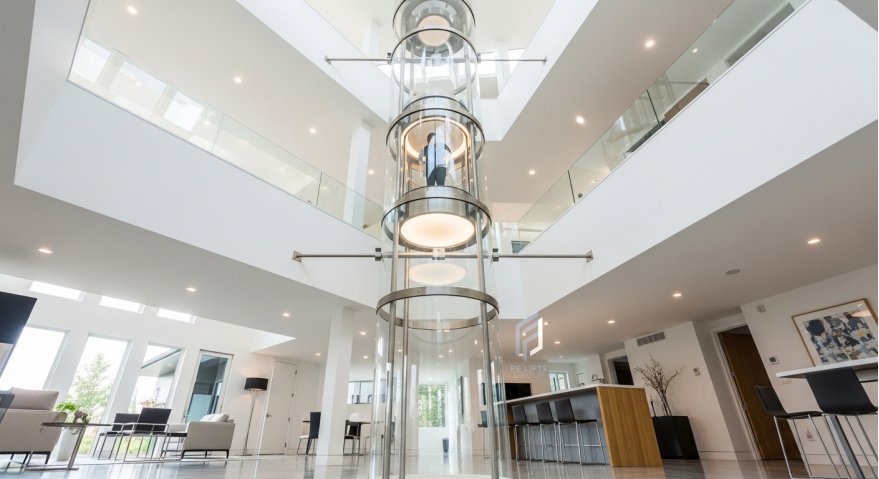
- PE Lifts: Focuses on pneumatic and vacuum elevator technology. These systems are distinctive for their transparent, cylindrical design and minimal civil work requirements. They are well-suited for low-rise applications, retrofits, or architectural features where a panoramic view is desired. However, they are not typically the primary choice for high-capacity hospital or high-rise office main lifts.
- PE Lifts Services: Dedicated to after-sales support, including maintenance, repairs, and modernization. This arm ensures that installed systems remain compliant and operational, providing peace of mind to facility managers.
By leveraging the specific strengths of each subsidiary, PE Lifts Group can offer tailored solutions for diverse building types in Ghana.
Supplier Evaluation Checklist
Use this table to compare potential elevator companies in Ghana.
| Evaluation Criteria | What to Verify | Why It Matters |
|---|---|---|
| Product Range | Traction, MRL, Pneumatic options | Ensures the right technology for your building type. |
| Technical Consultation | Site survey and traffic analysis capability | Prevents undersizing or oversizing the system. |
| Installation Experience | Verified project references in Ghana/West Africa | Proves ability to handle local construction conditions. |
| Safety Standards | Compliance with international/local codes | Ensures legal compliance and passenger safety. |
| After-Sales Support | AMC terms, spare parts stock, response time | Minimizes downtime and long-term operational risk. |
| Warranty Terms | Clear written documentation of coverage | Protects against unexpected repair costs. |
| Financial Stability | Company longevity and market presence | Reduces risk of supplier insolvency. |
Frequently Asked Questions About Elevator Suppliers in Ghana
1. Who are the top elevator suppliers in Ghana? Reliable suppliers include established international brands with local presence and specialized groups like PE Lifts Group. Buyers should verify current local offices and service capabilities directly.
2. What is the difference between traction and pneumatic elevators? Traction elevators use ropes and counterweights, suitable for mid-to-high rises. Pneumatic elevators use air pressure, ideal for low-rise, retrofits, or architectural features.
3. Can pneumatic elevators be used in hospitals? Generally, no. Hospitals require high-capacity, fast, and robust traction elevators to move beds and equipment. Pneumatic systems are better suited for low-traffic, low-rise applications.
4. How long does elevator installation take in Ghana? Installation time varies by project complexity, ranging from a few weeks for simple pneumatic units to several months for multi-car traction systems in high-rises.
5. What maintenance is required for commercial elevators? Regular preventive maintenance, typically monthly or quarterly, is required to check safety gears, doors, controllers, and ropes. An Annual Maintenance Contract (AMC) is recommended.
6. Do elevator suppliers in Ghana provide spare parts? Reputable suppliers like PE Lifts Services maintain stock of critical spare parts. Always confirm availability before signing a contract.
7. Are MRL elevators suitable for office buildings? Yes, MRL (Machine Room Less) elevators are excellent for office buildings as they save space and offer energy-efficient performance for mid-rise structures.
8. How can I verify a supplier’s experience? Request a list of completed projects in Ghana or West Africa and contact previous clients for feedback on performance and support.
9. What should be included in an elevator warranty? Warranties should clearly specify coverage for parts, labor, and exclusions. Ensure you receive a written document detailing these terms.
10. Why is a site survey important before buying an elevator? A site survey determines structural feasibility, shaft dimensions, and power requirements, ensuring the selected elevator fits and operates safely.
Conclusion
Choosing among elevator suppliers Ghana requires a careful balance of technical suitability, financial value, and service reliability. Whether developing a luxury hotel, a critical healthcare facility, or a busy office tower, the right elevator system enhances building value and user experience. By understanding the specific needs of each sector and evaluating suppliers based on verified capabilities, developers and facility managers can make confident, informed decisions. For those considering a comprehensive solution, exploring the specialized offerings of Dove Lifts, PE Lifts, and PE Lifts Services provides a robust pathway to securing efficient, safe, and sustainable vertical transportation for your project.