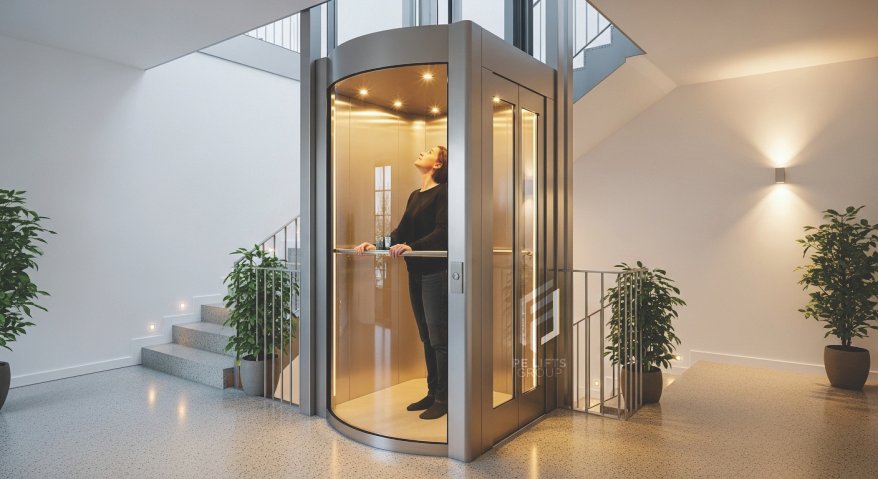
Selecting the right elevator installation partner Nigeria requires evaluating technical expertise, product range, safety compliance, and after-sales support early in the design phase. For property developers, architects, and construction companies, an elevator is not an afterthought; it is a critical vertical transportation system that impacts building functionality, safety, and long-term value.
Whether you are managing commercial elevator installation Nigeria or residential elevator installation Nigeria, partnering with certified elevator contractors Nigeria ensures seamless integration from the architectural design stage to final handover. This guide provides a structured approach to help you evaluate elevator suppliers Nigeria and secure reliable elevator installation services Nigeria for your next project.
Why Should Developers Select an Elevator Partner Early in a Construction Project?
Elevator planning must begin during the architectural design stage, not after the building structure is complete. Early engagement with an elevator installation company Nigeria allows engineers to assess building requirements and recommend suitable systems.
If elevator planning is delayed, developers often face costly structural modifications. Critical elements such as shaft dimensions, pit depth, overhead clearance, and electrical supply requirements must be integrated into the initial blueprints. Early elevator project planning Nigeria prevents construction delays, avoids unexpected costs, and ensures the chosen elevator system aligns perfectly with the building’s intended use and passenger traffic flow.
What Makes an Elevator Installation Company Reliable in Nigeria?
To assess an elevator company's technical experience, developers must evaluate specific criteria. A reliable partner demonstrates competence across the entire project lifecycle, from initial consultation to long-term maintenance.
What Are the Key Selection Criteria for Elevator Contractors?
- Technical expertise: Ability to assess building requirements and recommend suitable elevator systems.
- Product range: Availability of appropriate solutions for diverse residential, commercial, and specialised projects.
- Project experience: Verifiable experience with comparable building types and installations in the region.
- Design coordination: Ability to work seamlessly with architects, structural engineers, electrical engineers, and contractors.
- Installation planning: Clear project schedules, defined responsibilities, and construction coordination.
- Safety and compliance: Provision of relevant technical documentation, adherence to applicable standards, and safe installation procedures.
- Quality assurance: Rigorous equipment documentation, testing, commissioning, and handover processes.
- Warranty: Clear, written warranty terms and conditions covering parts and labour.
- After-sales support: Reliable access to spare parts, preventive maintenance, repairs, and technical assistance.
- Commercial transparency: Detailed quotations, clear payment milestones, exclusions, and defined contractual responsibilities.
How Can Developers Evaluate Potential Installation Partners?
Use the following comparison table to systematically check what developers should verify when evaluating different elevator installation services Nigeria.
| Evaluation Criteria | What to Check | Red Flags to Avoid |
|---|---|---|
| Technical Expertise | Certified engineers, site survey process | Vague technical recommendations |
| Product Range | Options for low, mid, and high-rise buildings | Pushing a single model for all projects |
| Project Experience | Portfolio of similar Nigerian projects | Unverifiable or exaggerated claims |
| Design Coordination | Willingness to review architectural drawings | Refusal to engage with your design team |
| Installation Planning | Detailed timeline with clear milestones | Lack of a structured project schedule |
| Safety & Compliance | Adherence to EN 81, ISO, or local standards | Missing safety certifications or documentation |
| Quality Assurance | Defined testing and commissioning protocol | Rushed handover without proper testing |
| Warranty | Written warranty covering parts and labour | Verbal promises or hidden exclusions |
| After-Sales Support | Local spare parts inventory and AMC plans | No local technical support team |
| Commercial Transparency | Itemized quotation with clear exclusions | Vague pricing or unexpected hidden fees |
How Does PE Lifts Group Support New Construction Projects?
PE Lifts Group is a structured elevator engineering conglomerate delivering comprehensive vertical mobility solutions across West Africa. The group operates through specialized subsidiaries, ensuring developers receive tailored solutions based on building design, number of floors, intended use, capacity, available space, and technical assessment.
It is important to note that no single elevator type is suitable for every construction project. The right choice depends on a professional technical assessment:
- Dove Lifts specializes in traction and machine room less (MRL) elevator solutions. These are ideal for suitable residential and commercial applications requiring robust performance for mid to high-rise buildings.
- PE Lifts provides pneumatic and vacuum elevator solutions. These are engineered for specific applications where their unique design and technical capabilities (such as minimal structural requirements and no pit) are appropriate.
- PE Lifts Services is the dedicated after-market support division, offering elevator maintenance, Annual Maintenance Contracts (AMC), repairs, modernisation, and technical support for all major brands.
What Should Developers Consider During Elevator Project Planning?
Effective elevator installation for new buildings requires meticulous coordination before major construction decisions are finalised.
- Sharing architectural drawings: Provide initial floor plans to the elevator company for a preliminary technical review.
- Confirming shaft dimensions: Ensure the structural design accommodates the recommended elevator shaft size.
- Planning pit depth and overhead clearance: These are critical for safe operation and must be integrated into the civil works.
- Coordinating electrical supply: Verify that the building’s power infrastructure meets the elevator’s specific voltage and phase requirements.
- Selecting capacity and design: Match the elevator’s passenger capacity and speed to the building’s traffic analysis.
- Agreeing on responsibilities: Clearly define whether the main contractor or the elevator company handles shaft preparation, hoisting, and power provisioning.
- Planning testing and handover: Schedule adequate time for rigorous safety testing, regulatory compliance verification, and formal handover.
Practical Checklist for Developers Requesting an Installation Proposal
Before contacting an elevator installation consultation Nigeria provider, prepare the following information:
- Site location and building type (residential, commercial, hospital, etc.)
- Number of floors and total travel height
- Preliminary architectural drawings or floor plans
- Estimated passenger traffic and required elevator capacity
- Available shaft dimensions (or request guidance on standard sizes)
- Preferred power supply specifications (e.g., 3-phase, single-phase)
- Desired project timeline and handover date
Frequently Asked Questions About Elevator Installation in Nigeria
1. Why is it important to choose an elevator installation partner Nigeria early in the design phase?
Early selection ensures that critical structural elements like shaft dimensions, pit depth, and overhead clearance are integrated into the architectural plans, preventing costly modifications later.
2. What documents should I request before signing an installation agreement?
Request a detailed technical proposal, itemized commercial quotation, project schedule, safety compliance certificates, and a draft of the written warranty terms.
3. How do building height and passenger capacity affect elevator system selection?
Taller buildings with higher traffic require faster, higher-capacity systems like traction or MRL elevators, while low-rise buildings may suit compact or pneumatic solutions.
4. What is the difference between traction and pneumatic vacuum elevators?
Traction elevators use cables and counterweights, ideal for mid to high-rise buildings. Pneumatic elevators use air pressure, requiring no pit or machine room, making them suitable for specific low-rise applications.
5. How can developers avoid delays during elevator installation for new buildings?
Avoid delays by finalizing elevator specifications early, ensuring the shaft is built to exact dimensions, and coordinating electrical supply before the installation team arrives on site.
6. What should a comprehensive elevator warranty cover?
A reliable warranty should clearly state coverage for both parts and labour, the duration of coverage, response times for defects, and any specific exclusions.
7. Do elevator contractors Nigeria provide after-sales maintenance support?
Reputable contractors offer comprehensive after-sales support, including Annual Maintenance Contracts (AMC), 24/7 emergency breakdown response, and genuine spare parts supply.
8. How much space is required for a standard elevator shaft?
Shaft dimensions vary based on capacity and system type. A professional site survey and technical assessment are required to determine the exact footprint needed for your specific building.
9. Who is responsible for coordinating the electrical supply for the elevator?
This should be clearly defined in the contract. Typically, the main building contractor provides the power to the machine room or shaft, while the elevator company specifies the exact electrical requirements.
10. How long does the testing and commissioning phase take?
Testing and commissioning typically take a few days to a week, depending on the system's complexity. This phase includes rigorous safety checks, load testing, and regulatory compliance verification before handover.
Conclusion
Choosing an elevator installation partner is an important decision that directly affects building design, construction coordination, installation quality, safety, and long-term operating performance. By prioritizing technical expertise, transparent planning, and verified experience, developers can ensure a seamless vertical transportation solution for their projects.
Nigerian developers, architects, and construction companies are encouraged to contact PE Lifts Group for a professional project consultation, technical assessment, and tailored elevator installation proposal.
To ensure a productive initial discussion, please prepare your architectural drawings, building location, number of floors, intended elevator use, and capacity requirements before making an enquiry. This preparation allows our engineering team to provide accurate, efficient, and reliable recommendations for your new construction project.