1. Introduction
In bustling urban centers across West Africa, from the vibrant streets of Lagos to the growing skylines of Accra, elevators are an indispensable part of modern infrastructure. They transport millions daily, facilitating commerce, enhancing accessibility, and defining the vertical landscape of our cities. However, the region's frequent and often unpredictable power outages pose a significant challenge to their seamless operation. These interruptions can lead to more than just inconvenience; they can cause anxiety, disrupt daily routines, and, in some cases, raise serious safety concerns for passengers. Imagine being on your way to an important meeting or returning home after a long day, only for the elevator to grind to a halt between floors. This common scenario underscores the critical need for robust elevator backup power system solutions.
PE Lifts Group understands these challenges intimately. As a leading expert in elevator systems across West Africa, we are committed to providing not just cutting-edge vertical transportation, but also peace of mind. Our comprehensive solutions ensure that your elevators continue to operate safely and efficiently, even when the grid fails. We specialize in advanced power backup technologies designed to mitigate the impact of power fluctuations and outages, guaranteeing reliable elevator operation during power outage scenarios. For residential buildings, particularly those with elderly residents or individuals with mobility challenges, a dependable home lift power failure solution is not just a luxury, but a necessity.
2. Why Power Outages Matter
What happens during elevator outage?
When a power outage strikes, an elevator without a proper backup system will typically cease operation immediately. The cabin lights may dim or go out entirely, and the elevator will stop at the nearest floor or, more commonly, between floors. This sudden halt can be disorienting and frightening for passengers. The primary concern is not usually a freefall, as modern elevators are equipped with multiple safety mechanisms, but rather the discomfort and potential panic of being trapped. In West African cities, where power supply can be intermittent, understanding what happens during elevator power outage Nigeria and other regional contexts is crucial for both building managers and residents.
Are modern elevators safe?
Absolutely. Modern elevators are engineered with an array of sophisticated safety features that make them one of the safest modes of transportation. These include redundant braking systems, overspeed governors, and robust door interlocks. Even during a power failure, these mechanical and electrical safeguards remain active to prevent uncontrolled movement. The design prioritizes passenger safety above all else, ensuring that the elevator car remains securely in place. However, while mechanically safe, the experience of being stuck can still be distressing, highlighting the need for systems that ensure continued, albeit limited, functionality.
Can people get trapped?
Yes, people can get trapped in an elevator during a power outage. While the elevator itself is designed to be safe, the lack of power means it cannot complete its journey to a floor and open its doors. This is where the distinction between mechanical safety and operational continuity becomes vital. Being trapped, even for a short period, can be a significant ordeal, especially in areas with unreliable power. This is precisely why investing in an effective elevator backup power system is paramount, offering a seamless transition to emergency power and ensuring passengers are safely evacuated or transported to the nearest floor.
3. Backup Systems Explained
To combat the challenges of frequent power outages, a range of backup power solutions are available, each with its own advantages and applications. Understanding these systems is key to selecting the most appropriate home elevator backup system blackout solution for your specific needs.
Uninterruptible Power Supply (UPS) in Elevators
An Uninterruptible Power Supply (UPS) system provides immediate, short-term power when the main electricity supply fails. For elevators, a UPS acts as a crucial bridge, supplying enough power to bring the elevator to the nearest floor and open its doors, allowing passengers to exit safely. This prevents individuals from being trapped. The UPS system typically consists of batteries and an inverter, offering a seamless transition without any noticeable interruption to the elevator's operation during the critical moments of a power cut. It's an essential component for ensuring elevator safety system residential and commercial buildings.
Automatic Rescue Device (ARD) for Elevators
The Automatic Rescue Device (ARD) is specifically designed to manage elevator operation during a power failure. When the main power supply is interrupted, the ARD automatically detects the outage and switches to battery power. Its primary function is to move the elevator car to the nearest floor, open the doors, and then shut down the system. This ensures that no one is left stranded inside. The ARD is a highly effective and widely adopted solution for enhancing elevator operation during power outage events.
Batteries
Batteries are the core component of both UPS and ARD systems. They store electrical energy that is then discharged to power the elevator during an outage. The type, capacity, and maintenance of these batteries are critical factors in determining the reliability and duration of the backup power. Modern battery technologies offer improved efficiency and longer lifespans, making them a cornerstone of any effective elevator backup power system.
Generators
For longer-duration power outages, especially in regions like West Africa where grid instability can persist for hours, a generator provides a more sustained backup power solution. Generators, typically fueled by diesel or natural gas, can power an entire building, including multiple elevators, for extended periods. While they require a brief startup time, they offer comprehensive protection against prolonged blackouts. Integrating a generator into an elevator's power system ensures continuous elevator operation during power outage scenarios, minimizing disruption.
Solar Systems
Embracing renewable energy, solar powered elevator system solutions are gaining traction, particularly in regions with abundant sunlight. These systems harness solar energy to charge batteries, which then provide backup power to elevators. Solar power can be integrated with existing grid connections and other backup systems, creating a highly sustainable and resilient power solution. A hybrid approach, combining solar with a generator or grid power, offers the best of both worlds: environmental benefits and unwavering reliability.
4. ARD System: Your First Line of Defense
What is ARD?
An Automatic Rescue Device (ARD) is a sophisticated electronic system specifically engineered to provide a safe and controlled shutdown of an elevator during a power failure. It's not just a simple battery backup; it's an intelligent system that monitors the power supply and, upon detecting an interruption, takes immediate action to ensure passenger safety. The ARD is a critical component in preventing passengers from being trapped and is often considered the minimum standard for elevator safety system residential and commercial installations.
How does it rescue passengers?
When a power outage occurs, the ARD instantly activates. It draws power from its dedicated battery bank and uses this energy to move the elevator car. The ARD's intelligent control system calculates the shortest and safest route to the nearest floor. Once the elevator reaches the designated floor, the ARD ensures that the doors open fully, allowing passengers to exit the car. After all passengers have safely disembarked, the ARD then powers down the elevator system in a controlled manner, conserving battery life and preventing any further attempts at operation until main power is restored. This entire process is automated and typically takes only a few moments, providing a swift and secure automatic rescue device elevator function.
Is it enough alone?
While an ARD system is highly effective in ensuring passengers are not trapped during a power outage, it's important to consider its limitations. An ARD is designed for rescue, not for continuous operation. It will bring the elevator to the nearest floor and then shut down. For buildings that require uninterrupted elevator service during prolonged power cuts, such as hospitals, high-rise residential buildings, or busy commercial complexes, an ARD alone may not be sufficient. In such cases, combining an ARD with a generator or a robust solar/hybrid system provides a more comprehensive and resilient elevator backup power system, ensuring that the elevator can continue to function, albeit perhaps at a reduced capacity, throughout the duration of the outage. This layered approach offers enhanced elevator operation during power outage scenarios, particularly relevant in areas with persistent grid challenges.
5. Solar and Hybrid Systems: Sustainable Resilience
As West Africa increasingly embraces sustainable energy solutions, solar powered elevator system installations are emerging as a highly attractive option for ensuring elevator continuity. These systems leverage the region's abundant sunshine to provide clean, reliable power, reducing reliance on the often-unstable national grid and fossil fuel generators.
A typical solar powered elevator system involves solar panels that convert sunlight into electricity. This electricity is then used to power the elevator directly or, more commonly, to charge a bank of batteries. During a power outage, the stored energy in these batteries takes over, ensuring seamless elevator operation during power outage. The benefits extend beyond just backup power; solar systems can also reduce operational costs by supplementing grid power during normal operation, leading to significant long-term savings.
Hybrid systems take this concept further by combining solar power with other backup solutions, such as grid connection, generators, or even advanced battery storage. For instance, a system might prioritize solar power during the day, switch to grid power at night, and rely on a generator for extended periods of low solar irradiance or prolonged outages. This multi-faceted approach creates an exceptionally resilient and efficient elevator backup power system, offering unparalleled reliability for home lift power failure solution and commercial applications alike. The integration of solar power is a forward-thinking strategy for buildings aiming for both energy independence and unwavering elevator service in the face of unstable electricity.
6. Comparison Table: Elevator Power Backup Solutions
| System | Reliability | Cost | Use Case | Safety |
| UPS | High (immediate, short-term) | Moderate | Safe passenger evacuation to nearest floor | Prevents trapping, ensures safe exit |
| ARD | Very High (immediate, rescue-focused) | Moderate | Safe passenger evacuation to nearest floor | Prevents trapping, automated rescue |
| Generator | High (sustained, long-term) | High | Continuous operation during prolonged outages | Ensures full functionality, prevents trapping |
| Solar System | Moderate to High (dependent on sunlight/storage) | High (initial) | Sustainable backup, reduced grid reliance | Prevents trapping, eco-friendly operation |
7. Safety Questions Answered
What is safest elevator during power failure?
The safest elevator during power failure is one equipped with a comprehensive and well-maintained backup power system, such as an ARD or a combination of ARD and a generator/solar system. These systems ensure that even if the main power fails, the elevator will either safely bring passengers to the nearest floor and open its doors, or continue to operate with minimal interruption. Beyond backup power, inherent safety features like robust braking systems, emergency lighting, and communication systems (intercom) are crucial. Regular maintenance by certified professionals, like those at PE Lifts Group, is equally vital to ensure all safety components are in optimal working order.
How do elevators stop safely?
Elevators are designed to stop safely through multiple redundant mechanisms. In a normal operation, the control system precisely manages the motor to bring the car to a smooth stop at each floor. During an emergency or power failure, several safety features come into play:
* Brakes: Electrically released, mechanically applied brakes automatically engage when power is lost or an emergency stop is initiated, securely holding the car in place.
* Overspeed Governor: If the elevator exceeds its rated speed, this device triggers a safety mechanism that clamps onto the guide rails, bringing the car to a controlled stop.
* Buffers: Located at the bottom of the hoistway, these absorb impact if the car were to travel beyond its normal limits.
* Emergency Stop Button: Pressing this button immediately cuts power to the motor and applies the brakes, bringing the elevator to a halt. This is a direct action for emergency stop elevator safety.
These systems work in concert to ensure that an elevator always stops safely, regardless of the circumstances.
What safety systems are required?
Elevator safety regulations vary by region, but generally, a robust set of safety systems are universally required to protect passengers. Key requirements include:
* Door Interlocks: Prevent the elevator from moving if the doors are not fully closed and locked, and prevent doors from opening if the car is not precisely leveled with the floor.
* Emergency Lighting: Provides illumination inside the car during a power outage.
* Alarm Bell and Intercom: Allows trapped passengers to signal for help and communicate with building management or emergency services.
* Overspeed Governor and Safety Gears: As mentioned, these prevent uncontrolled descent or ascent.
* Automatic Rescue Device (ARD): Increasingly a standard requirement, especially in areas prone to power outages, to ensure safe evacuation. This is a critical part of any comprehensive elevator safety system residential or commercial.
* Fire Service Operation: A mode that allows firefighters to take control of the elevator during a fire emergency.
Adhering to these standards and ensuring regular inspections are paramount for passenger safety.
8. West Africa Context: The Imperative for Backup
The reality of unstable electricity supply is a defining characteristic of many West African nations. Frequent load shedding, grid failures, and localized outages are common occurrences that significantly impact daily life and business operations. For buildings equipped with elevators, this instability translates into a heightened risk of passenger entrapment and operational downtime. In a region where economic growth is often vertical, with new high-rises continually reshaping cityscapes, the demand for reliable vertical transportation is immense.
Consider the bustling commercial hubs of Accra, Ghana, or the rapidly expanding residential areas of Abuja, Nigeria. Here, elevators are not just a convenience; they are a necessity for efficient movement within multi-story structures. Without adequate backup power, these essential services become vulnerable, leading to frustration, lost productivity, and potential safety hazards. The need for a dependable elevator backup power system is therefore not merely a recommendation but an imperative for any modern building in West Africa. PE Lifts Group recognizes this unique regional challenge and offers tailored solutions that address the specific power infrastructure realities, ensuring that our clients benefit from uninterrupted and safe elevator service.
9. PE Lifts Advantage: Safety, Reliability, Technology, Support
Choosing PE Lifts Group means partnering with an industry leader dedicated to excellence in elevator solutions across West Africa. Our advantage lies in our unwavering commitment to:
* Safety First: Every solution we provide, from installation to maintenance, is underpinned by the highest international safety standards. We prioritize passenger well-being above all else, integrating advanced elevator safety system residential and commercial features into every project.
* Unmatched Reliability: We understand the critical importance of consistent operation. Our backup power systems, including ARD, UPS, generators, and solar powered elevator system options, are engineered for maximum reliability, ensuring your elevators perform flawlessly even during the most challenging power conditions.
* Cutting-Edge Technology: PE Lifts Group continuously invests in the latest elevator technologies. Our backup solutions incorporate smart controls, efficient power management, and durable components designed for the demanding West African environment. We offer advanced automatic rescue device elevator function systems that are both swift and secure.
* Dedicated Support: Our commitment extends beyond installation. We provide comprehensive maintenance, rapid response services, and expert technical support, ensuring the longevity and optimal performance of your elevator systems. Our team is always ready to assist, providing peace of mind and minimizing downtime.
With PE Lifts Group, you're not just installing an elevator; you're investing in a complete, reliable, and safe vertical transportation ecosystem, perfectly adapted to the unique needs of West Africa.
10. FAQ: Your Questions Answered
Can you get stuck in elevator?
Yes, it is possible to get stuck in an elevator, particularly during a power outage. However, modern elevators are equipped with safety features like ARD systems that are designed to prevent prolonged entrapment by moving the car to the nearest floor and opening the doors. While the experience can be unsettling, it is generally safe.
What is the best backup system?
The
"best" backup system depends entirely on your specific needs, building type, and budget. For immediate rescue and preventing entrapment, an ARD is essential. For continuous operation during prolonged outages, a generator is required. For a sustainable and increasingly cost-effective solution, a solar powered elevator system or hybrid setup is highly recommended. PE Lifts Group can assess your requirements and recommend the optimal solution.
Do elevators in Nigeria have backup?
Many modern elevators in Nigeria, especially in newer commercial and high-end residential buildings, are equipped with backup systems like ARDs or are connected to building-wide generators. However, older installations or those in less regulated environments may lack adequate backup. Given the frequency of power outages, installing a reliable elevator backup power system is strongly advised for all elevators in the region.
How long does the battery last?
The duration of battery backup depends on the system's capacity and the elevator's usage. An ARD battery is typically designed to provide enough power for a few rescue operations (moving to the nearest floor). A UPS system might provide power for a short duration (e.g., 15-30 minutes) to allow for safe evacuation or a controlled shutdown. For extended operation, a generator or a large-scale solar/battery hybrid system is necessary.
Is solar enough?
Solar power can be sufficient for elevator operation, provided the system is correctly sized. A solar powered elevator system must have adequate solar panel capacity to generate the required energy and a robust battery bank to store that energy for use during the night or cloudy days. Often, solar is used in a hybrid configuration with grid power or a generator to ensure absolute reliability.
What is the cost of backup systems?
The elevator backup cost Africa varies significantly based on the type of system chosen. An ARD is generally the most cost-effective solution for basic rescue functionality. A UPS system is moderately priced. Generators involve higher initial costs and ongoing fuel expenses. Solar systems have the highest upfront cost but offer significant long-term savings on energy bills and require less maintenance. PE Lifts Group provides transparent pricing and can help you find a solution that fits your budget.
11. Conclusion
Navigating the vertical landscape of West Africa shouldn't be a source of anxiety. While power outages are a reality, they don't have to disrupt your life or compromise your safety. By understanding the available elevator backup power system options—from the immediate rescue capabilities of an ARD to the sustained resilience of generators and solar powered elevator system solutions—you can ensure that your elevators remain a reliable and safe mode of transportation, regardless of the grid's stability.
Don't let the next power cut leave you stranded. Invest in peace of mind with PE Lifts Group. Our expert team is ready to assess your building's needs and design a customized backup power solution that guarantees seamless elevator operation during power outage events. Contact PE Lifts Group today to explore our comprehensive range of elevator safety and backup systems, and ensure you never get stuck again.
Visual Analysis: System Reliability
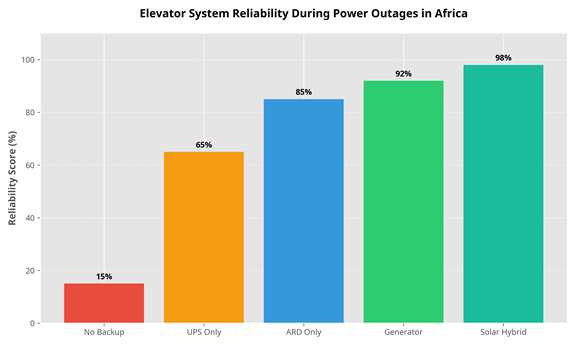
Figure 1: Comparison of elevator system reliability during power outages in Africa.