Planning an elevator system is one of the most critical decisions a developer makes during the early stages of a construction project. In Freetown, Sierra Leone, where urban development is accelerating and modern infrastructure is increasingly demanded, getting elevator planning right ensures safety, efficiency, and long-term value. For property developers, architects, structural engineers, and facility managers, understanding how to integrate elevator systems in Freetown requires a holistic approach that balances technical requirements with practical operational needs.
This guide explores how developers can effectively plan elevator installations by considering building use, passenger traffic, structural constraints, and lifecycle costs. It also highlights how PE Lifts Group, through its specialist companies PE Lifts, Dove Lifts, and PE Lifts Services, supports comprehensive elevator solutions across West Africa.
Why Should Elevator Planning Begin During Building Design?
Elevator planning must start at the conceptual design phase, not after construction begins. Integrating elevator shafts, machine rooms (if required), pit depths, and overhead clearances into architectural drawings prevents costly redesigns later. Early coordination between architects, structural engineers, and elevator specialists ensures that the building layout accommodates the chosen elevator type without compromising usable floor space or structural integrity.
For developers in Freetown, engaging an elevator engineering partner early allows for accurate assessment of site conditions, including power supply stability and accessibility requirements. This proactive approach minimizes delays during elevator installation in Freetown and ensures compliance with relevant safety standards.
How Does Building Use Affect Elevator Selection?
The intended use of a building directly influences the type of elevator system required. Residential apartments prioritize quiet operation and reliability for moderate daily use. Office buildings need efficient vertical transportation during peak hours to handle employee traffic. Hotels require smooth, comfortable rides for guests carrying luggage, while hospitals need spacious elevators capable of accommodating stretchers and medical equipment. Shopping centres and mixed-use developments demand high-capacity systems that can manage fluctuating passenger volumes throughout the day.
Understanding these distinct needs helps developers select between pneumatic vacuum elevators, traction systems, or machine room-less (MRL) configurations based on performance requirements and spatial constraints.
How Should Developers Estimate Passenger Traffic and Capacity?
Accurate traffic analysis is essential for determining elevator capacity and quantity. Developers should consider:
- Peak hour usage patterns
- Average number of occupants per floor
- Expected dwell time at each stop
- Future occupancy growth projections
For commercial elevators in Sierra Leone, underestimating traffic can lead to congestion and user dissatisfaction, while over-specifying increases unnecessary costs. A professional traffic study helps balance efficiency with investment, ensuring optimal wait times and ride quality.
What Space and Structural Requirements Must Be Considered?
Every elevator system has specific spatial needs. Key considerations include:
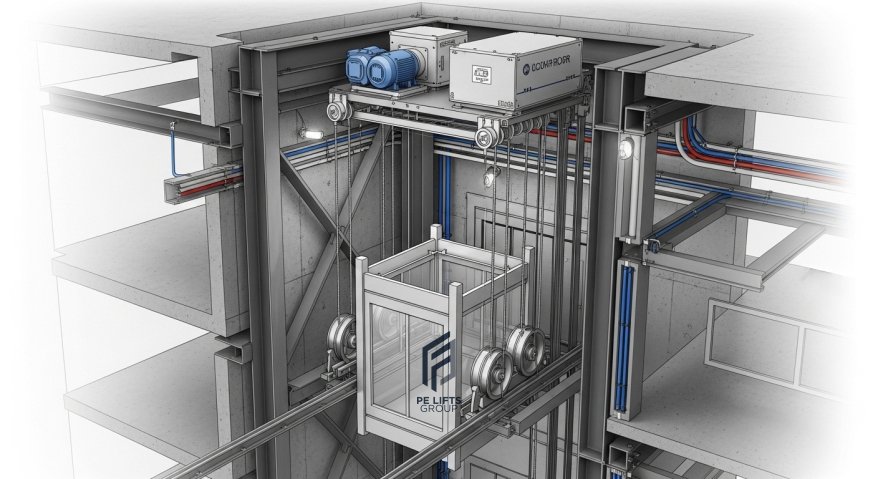
- Shaft dimensions: Width and depth must accommodate the cabin, counterweights (for traction systems), and guide rails.
- Pit depth: Required for buffer installation and maintenance access.
- Overhead clearance: Necessary for machinery and safety components above the top floor.
- Load-bearing capacity: Structural floors must support the elevator’s weight and dynamic loads.
In Freetown’s coastal environment, developers should also assess foundation conditions and potential exposure to humidity during site preparation. Proper ventilation and waterproofing measures protect elevator components from environmental stressors.
Which Elevator Systems Suit Different Building Types?
Choosing the right elevator technology depends on building height, usage, and architectural constraints:
- Pneumatic Vacuum Elevators (PE Lifts): Ideal for low to mid-rise residential and boutique commercial buildings where minimal shaft space and no machine room are advantages. These systems offer energy efficiency and sleek design integration. Learn more at PE Lifts.
- Traction and MRL Elevators (Dove Lifts): Suitable for mid to high-rise offices, hotels, and hospitals requiring higher speeds and greater capacity. Machine room-less designs save valuable floor space while maintaining performance. Explore options at Dove Lifts.
- Maintenance and Support (PE Lifts Services): Regardless of system type, ongoing maintenance ensures reliability and longevity. PE Lifts Services provides annual maintenance contracts, repairs, modernization, and technical support. Visit PE Lifts Services for details.
How Should Accessibility and Safety Be Addressed?
Accessibility is not optional—it is a fundamental requirement. Elevators must accommodate wheelchairs, visually impaired users, and individuals with mobility challenges. Features such as audible announcements, tactile buttons, adequate cabin dimensions, and door timing adjustments enhance inclusivity.
Safety systems include emergency communication devices, backup power options, fire-rated shafts, and regular inspection protocols. Compliance with international safety standards and local regulations ensures passenger protection and legal adherence.
What Power and Reliability Factors Matter?
Power stability significantly impacts elevator performance. In regions experiencing intermittent supply, developers should consider:
- Backup power systems or generators
- Energy-efficient drives that reduce consumption
- Voltage stabilization equipment
Reliable power infrastructure minimizes downtime and enhances user confidence. Discussing power requirements with elevator suppliers during the planning phase ensures compatible system design.
Why Should Maintenance and Lifecycle Costs Be Planned Early?
Initial purchase price represents only part of the total cost of ownership. Long-term expenses include:
- Routine servicing and inspections
- Spare parts replacement
- Energy consumption
- Potential modernization upgrades
Planning for elevator maintenance in Sierra Leone from the outset helps developers budget accurately and avoid unexpected expenditures. Annual Maintenance Contracts (AMCs) provide predictable costs and prioritized support, reducing operational disruptions.
How Can Developers Choose an Elevator Partner?
Selecting the right elevator partner involves evaluating:
- Technical expertise and product range
- Local service capability and response times
- Warranty terms and liability coverage
- References from similar projects
- Commitment to safety and quality standards
PE Lifts Group operates as a parent engineering group coordinating specialized subsidiaries to deliver end-to-end elevator solutions. By leveraging the strengths of PE Lifts, Dove Lifts, and PE Lifts Services, developers gain access to comprehensive planning, installation, and lifelong support.
Elevator Planning Priorities by Building Type
| Building Type | Priority Focus | Recommended System Type | Key Considerations |
|---|---|---|---|
| Residential Apartments | Quiet operation, reliability | Pneumatic or small traction | Space efficiency, low noise |
| Office Buildings | Peak hour efficiency, speed | Traction or MRL | High capacity, fast transit |
| Hotels | Comfort, aesthetics, luggage space | Traction with premium finishes | Smooth ride, visual appeal |
| Hospitals | Stretchers, medical equipment, reliability | Large traction cabins | Accessibility, emergency readiness |
| Mixed-Use Developments | Versatility, high traffic handling | Multiple systems or high-capacity traction | Zoned service, flexible scheduling |
Simple Elevator Planning Flow
- Building Assessment: Evaluate height, use, occupancy, and site conditions.
- Traffic Analysis: Determine peak usage and capacity requirements.
- System Selection: Choose appropriate elevator technology based on needs.
- Architectural Coordination: Integrate shafts, pits, and clearances into design.
- Installation and Testing: Professional installation followed by rigorous commissioning.
- Maintenance and Support: Establish AMC and ongoing technical support.
Frequently Asked Questions
1. What elevator capacity is suitable for a 10-story apartment building in Freetown?
Capacity depends on occupancy density, but typically 6–8 passengers per cabin with 2–3 elevators serves moderate-density apartments well.
2. How long does elevator installation take?
Installation timelines vary by complexity but generally range from 4 to 12 weeks after shaft readiness.
3. Do I need a machine room for my elevator?
Not necessarily. Machine Room-Less (MRL) systems eliminate this requirement, saving space.
4. Can elevators operate during power outages?
With backup power systems or emergency lowering devices, limited operation or safe evacuation is possible.
5. How often should elevators be serviced?
Quarterly or bi-annual servicing is recommended, depending on usage intensity.
6. Are pneumatic elevators suitable for high-rise buildings?
Pneumatic systems are best suited for low to mid-rise structures due to height limitations.
7. What accessibility features are mandatory?
Wheelchair-accessible cabins, audible signals, tactile controls, and adequate door widths are essential.
8. How do I choose between OEM and generic spare parts?
OEM parts ensure compatibility and warranty validity, while generic parts may offer cost savings but require careful quality verification.
9. When should I consider elevator modernization?
Modernization is advisable when systems exceed 15–20 years, experience frequent breakdowns, or no longer meet current safety standards.
10. How can I verify an elevator provider’s credentials in Sierra Leone?
Request references, review past projects, confirm warranty terms, and assess their technical support structure.
Consult PE Lifts Group for Your Freetown Development
Planning elevator systems for modern buildings in Freetown requires expertise, precision, and long-term vision. Whether you are developing residential apartments, commercial offices, hospitality venues, or healthcare facilities, partnering with a trusted elevator engineering group ensures successful outcomes.
PE Lifts Group coordinates specialized solutions through PE Lifts for pneumatic systems, Dove Lifts for traction and MRL elevators, and PE Lifts Services for comprehensive maintenance and support. While direct local operations in Sierra Leone should be verified, PE Lifts Group serves West African markets with proven technical excellence and customer-focused service.
Developers in Freetown are invited to consult PE Lifts Group for elevator planning, system selection, installation guidance, maintenance strategies, modernization options, and technical support. Visit PE Lifts Group to begin your conversation today.