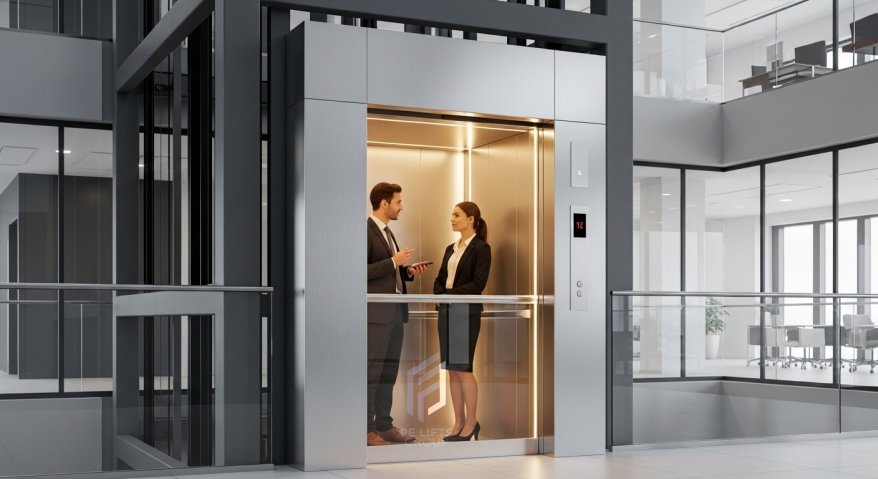
As urbanization accelerates across the continent, the demand for reliable vertical transportation has never been higher. At the forefront of this evolution is the traction elevator, the gold standard for mid- and high-rise buildings. As the best traction elevator company in Africa, PE Lifts Group delivers world-class solutions. Through our specialized brands—PE Lifts, Dove Lifts, and PE Lifts Services—we provide end-to-end traction elevator installation services, maintenance, and modernization for commercial and residential properties.
What Is a Traction Elevator?
A traction elevator is a lift system that uses rolled steel ropes or belts and a counterweight to move the cab up and down within the shaft. Unlike hydraulic systems that push the cab from below, a commercial elevator of this type relies on gravity and friction. This design makes the traction elevator the preferred choice for high-rise structures across Africa, offering unmatched efficiency and speed.
How Does a Traction Elevator Work?
Main Components
The system consists of a motor, hoist ropes, a traction sheave (pulley), a counterweight, and guide rails. The counterweight balances the weight of the cab, significantly reducing the energy required to move the elevator.
Operating Principle
Understanding how traction elevators work is simple: the motor turns the traction sheave, and the friction between the steel ropes and the sheave groove lifts or lowers the cab. Because the counterweight offsets the cab’s weight, the motor only needs to overcome the difference in weight and friction.
Safety Features
Modern traction elevators for commercial buildings are equipped with overspeed governors, safety gears that clamp onto the guide rails if the cab falls, and buffers at the bottom of the shaft to ensure passenger safety at all times.
What Are the Advantages of Traction Elevators?
High Speed
Gearless traction elevators for commercial buildings can travel at speeds exceeding 10 meters per second, making them essential for skyscrapers and high-traffic hubs.
Energy Efficiency
Regenerative drives feed energy back into the building’s electrical grid when the elevator descends with a heavy load, drastically reducing power consumption and operational costs.
High Passenger Capacity
These systems can handle massive daily traffic, making them ideal for busy office complexes, hospitals, and shopping centers.
Smooth Performance
Advanced variable-frequency drives ensure a jerk-free, whisper-quiet ride, significantly enhancing the passenger experience.
Long Term Reliability
With fewer moving parts in the pit and a balanced mechanical design, traction elevator systems experience less wear and tear over their lifespan compared to alternative technologies.
Where Are Traction Elevators Commonly Used?
Office Buildings
High-speed traction elevators ensure employees reach their floors quickly during peak morning rush hours, minimizing wait times and boosting productivity.
Hotels
Luxury hotels require smooth, quiet operation and aesthetically customizable cabs to match their premium brand identity and provide a seamless guest experience.
Hospitals
Bed elevators with precise leveling and gentle acceleration ensure patient comfort and the safe, vibration-free transport of sensitive medical equipment.
Shopping Malls
Heavy-duty commercial elevator solutions are designed to withstand continuous foot traffic and heavy loads from retail deliveries.
Residential Towers
Energy-efficient models provide reliable daily commuting for residents while keeping building operating costs low for management teams.
Mixed Use Developments
Traction elevators allow for zoned elevator banks, effectively separating retail, office, and residential traffic within the same building to optimize flow.
What Maintenance Do Traction Elevators Require?
Preventive Maintenance
Scheduled servicing, including lubrication, alignment, and adjustments, prevents minor issues from escalating into major, costly breakdowns.
Routine Inspections
Regular safety checks ensure compliance with local and international elevator codes, protecting both passengers and building owners from liability.
Component Replacement
Proactively replacing worn hoist ropes, brake pads, and sheaves extends the overall lifespan of the elevator system and maintains peak performance.
Modernization Planning
Upgrading control systems, door operators, and safety features can breathe new life into older shafts, improving performance without the need for a full replacement.
What Roles Do PE Lifts, Dove Lifts, and PE Lifts Services Play?
PE Lifts Group operates as the parent entity driving innovation, quality, and strategic growth across the African market. PE Lifts and Dove Lifts serve as the premier elevator installation company arms, handling design, sales, and traction elevator installation services for new developments. Meanwhile, PE Lifts Services acts as the dedicated traction elevator maintenance company, providing 24/7 emergency repairs, Annual Maintenance Contracts (AMCs), and rigorous safety inspections.
Why Choose PE Lifts Group for Traction Elevators?
PE Lifts Group combines global engineering standards with deep local expertise. As the best traction elevator company in Africa, we offer comprehensive solutions tailored to the unique environmental and operational demands of the continent. From initial design to decades of reliable maintenance, PE Lifts Group is your trusted partner for vertical transportation.
Conclusion
Traction elevators are the backbone of modern high-rise architecture, offering unmatched speed, efficiency, and reliability. By investing in professional installation and proactive maintenance, building owners can maximize their return on investment and ensure passenger safety. Contact PE Lifts Group today to discover how our comprehensive traction elevator installation, modernization, and maintenance services can elevate your building’s performance.
Frequently Asked Questions
1. What is the typical lifespan of a traction elevator? With proper preventive maintenance, a traction elevator can operate reliably for 20 to 30 years before requiring major modernization.
2. How often should a traction elevator be serviced? Commercial traction elevators should be serviced monthly, while low-use residential units may only require quarterly preventive maintenance.
3. Are traction elevators more energy-efficient than hydraulic ones? Yes, gearless traction elevators with regenerative drives are significantly more energy-efficient, especially in mid- and high-rise applications.
4. What is the maximum height for a traction elevator? Traction elevators have no practical height limit and are the only viable option for skyscrapers exceeding 20 stories.
5. How much does traction elevator maintenance cost? Maintenance costs vary based on building height and usage, but proactive care always costs significantly less than reactive emergency repairs.
6. Can existing hydraulic elevators be replaced with traction elevators? Yes, but it requires significant shaft modifications. PE Lifts Services can assess your building for feasibility and provide a tailored modernization plan.
7. What safety features are included in modern traction elevators? Modern units include dual safety gears, overspeed governors, seismic sensors, and automated rescue devices to ensure maximum passenger protection.
8. Why is PE Lifts Group the best traction elevator company in Africa? PE Lifts Group offers end-to-end solutions, 24/7 local support, and decades of expertise tailored specifically to the African market, ensuring unmatched reliability.
Traction vs. Hydraulic vs. Vacuum Elevators
| Feature | Traction Elevators | Hydraulic Elevators | Vacuum (Pneumatic) Elevators |
|---|---|---|---|
| Operating Principle | Ropes and counterweight | Fluid pressure | Air pressure/vacuum |
| Ideal Applications | High-rise, commercial | Low-rise, heavy loads | Residential, retrofits |
| Key Benefits | High speed, energy efficient | High weight capacity | No pit/machine room needed |
| Speed | Very High | Low to Medium | Low |