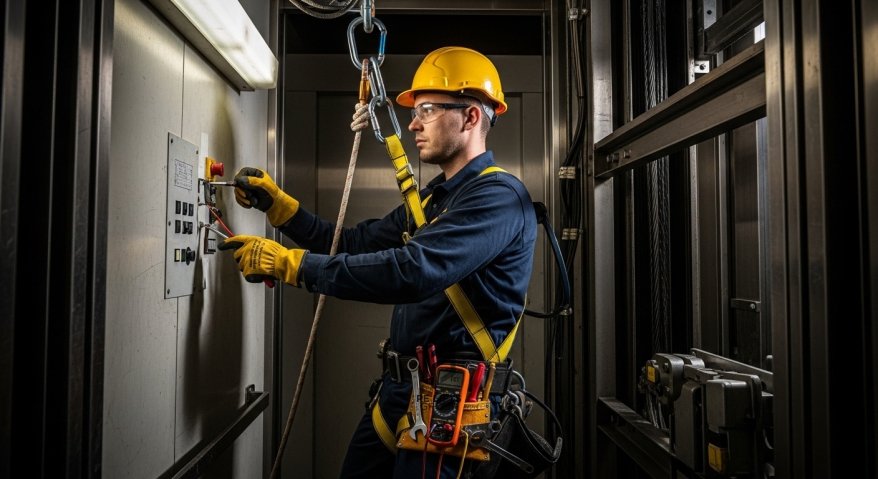
For property owners and facility managers across Nigeria, elevators are critical assets. Whether managing a high-rise office in Lagos, a hospital in Abuja, or a hotel in Port Harcourt, elevator reliability directly impacts safety, tenant satisfaction, and operational efficiency. However, purchasing an elevator is only the beginning. The long-term performance of your vertical transportation system depends heavily on the quality of its upkeep. This is why signing a robust elevator maintenance contract Nigeria is one of the most important decisions you will make for your building.
A poorly structured agreement can lead to unexpected costs, prolonged downtime, and safety risks. Conversely, a well-defined contract ensures consistent performance and regulatory compliance. This guide provides a detailed framework for evaluating maintenance agreements, helping you secure a partnership that protects your investment and keeps your passengers safe.
What Is an Elevator Maintenance Contract?
An elevator maintenance contract, often referred to as an Annual Maintenance Contract (AMC), is a formal agreement between a building owner and a service provider. It outlines the scope of regular servicing, repairs, and technical support required to keep elevator systems operational.
In the Nigerian context, where power fluctuations and environmental factors can affect mechanical systems, a structured elevator maintenance agreement is not just a convenience; it is a necessity. It transitions elevator care from reactive fixes to proactive management, ensuring that minor issues are resolved before they become major failures.
Why Do Building Owners Need a Formal Agreement?
Without a formal contract, maintenance is often ad-hoc. This "break-fix" approach is costly and risky. A formal elevator maintenance company Nigeria partnership offers several key benefits:
- Predictable Costs: Budgeting becomes easier when maintenance fees are fixed or clearly defined.
- Regulatory Compliance: Regular inspections ensure adherence to safety standards.
- Extended Lifespan: Preventive care reduces wear and tear, extending the life of major components.
- Priority Support: Contract holders typically receive faster response times during emergencies compared to non-contract clients.
For those managing diverse portfolios, understanding the specific capabilities of different providers is essential. For instance, while PE Lifts specializes in pneumatic and vacuum elevator solutions, and Dove Lifts focuses on traction and MRL systems, PE Lifts Services serves as the group’s dedicated arm for maintenance, AMC, repairs, and modernization.
What Services Should a Comprehensive Contract Include?
Not all contracts are created equal. When reviewing an elevator repair contract Nigeria, you must look beyond the headline price. A comprehensive agreement should clearly define the following areas:
Preventive vs. Corrective Maintenance
Preventive maintenance involves scheduled inspections, cleaning, lubrication, and adjustments. Corrective maintenance addresses faults and breakdowns. A strong preventive elevator maintenance Nigeria plan minimizes the need for corrective actions. Ensure your contract specifies the frequency of preventive visits—typically monthly or quarterly depending on usage intensity.
Emergency Callouts and Response Times
Breakdowns happen. Your contract must specify what constitutes an emergency and the expected response time. In busy commercial environments, a delay of several hours can be unacceptable. Clarify whether emergency callouts are included in the fee or charged separately.
Spare Parts and Component Replacement
This is often the most contentious part of an elevator maintenance contract Nigeria. Does the fee include spare parts? Usually, basic consumables like fuses or bulbs might be included, but major components like motors, door operators, or control boards are often excluded. Clearly identify which parts are covered and which will incur additional charges.
Essential Contract Checklist for Nigerian Facility Managers
Use this checklist to evaluate any proposal from an elevator servicing company Nigeria.
- Scope of Work: Does it explicitly list preventive tasks, troubleshooting, cleaning, and adjustments?
- Maintenance Schedule: Are the dates and frequency of visits clearly stated? Will you receive maintenance logs?
- Emergency Support: Is there a 24/7 contact number? What is the guaranteed response time for entrapments versus non-urgent faults?
- Spare Parts Policy: Are parts included, excluded, or discounted? Is there a cap on parts coverage?
- Breakdown Repairs: How are faults reported? Who approves repair costs if parts are excluded?
- Safety and Inspections: Does the provider handle statutory testing and certification documentation?
- Service Coverage: Does the contract cover all elevators in the building? Are specific locations or units excluded?
- Contract Fees: Are taxes included? Are there provisions for annual price reviews based on inflation?
- Performance Reporting: Will you receive detailed service reports after each visit?
- Duration and Termination: How long is the contract? What are the notice periods for cancellation or renewal?
Comparing Maintenance Agreement Levels
Understanding the difference between basic and comprehensive coverage helps in negotiating the right deal. Note that actual coverage depends entirely on the written contract provided by the supplier.
| Feature | Basic Maintenance Agreement | Comprehensive Full-Cover Agreement |
|---|---|---|
| Preventive Visits | Included (e.g., Quarterly) | Included (e.g., Monthly) |
| Labor for Repairs | Charged Separately | Often Included |
| Spare Parts | Excluded (Charged Extra) | Often Included (up to a limit) |
| Emergency Callouts | Charged Per Visit | Often Included |
| Major Overhauls | Excluded | May be Excluded or Capped |
| Cost Predictability | Low (Variable Repair Costs) | High (Fixed Annual Fee) |
How to Choose the Right Elevator Maintenance Company in Nigeria
Selecting the right partner requires due diligence. Look for an elevator maintenance company Nigeria with a proven track record in your specific building type. If you operate a hospitality venue, experience with high-traffic passenger lifts is vital. For industrial settings, freight elevator expertise is key.
Verify their technical capacity. Do they have certified engineers? Do they carry adequate insurance? Can they support your specific brand and model? While some firms specialize in new installations, such as PE Lifts Group subsidiaries, others like PE Lifts Services focus on the lifecycle support, including modernization and technical planning.
Ensure they offer transparency. A reputable provider will welcome questions about exclusions and will provide a clear, written scope of work before you sign.
Frequently Asked Questions About Elevator Maintenance in Nigeria
1. How often should an elevator be serviced in Nigeria? Most manufacturers recommend monthly or quarterly preventive maintenance, depending on the elevator’s usage intensity and age. High-traffic commercial buildings may require more frequent visits.
2. Does an AMC cover all spare parts? Rarely. Most standard AMCs cover labor and preventive tasks but exclude major spare parts. Full-cover contracts may include parts up to a certain value. Always read the exclusions clause.
3. What is the typical response time for emergency breakdowns? This varies by contract. Urban centers like Lagos or Abuja may see response times of 2–4 hours for entrapments, while rural areas may take longer. Ensure this is explicitly stated in your agreement.
4. Can I switch maintenance providers if I am unhappy? Yes, but check the termination clause. Most contracts require a notice period, such as 30 to 90 days, before cancellation.
5. Who is responsible for statutory inspections? Typically, the maintenance provider conducts the technical checks, but the building owner is legally responsible for ensuring compliance. Confirm who handles the documentation and certification.
6. Does the contract cover elevator modernization? No, modernization is usually a separate project. However, a good maintenance partner like PE Lifts Services can advise on when modernization is necessary to improve reliability.
7. Are there hidden costs in elevator maintenance contracts? Potential extra costs include out-of-hours callouts, non-covered spare parts, and travel charges for remote locations. Ask for a full list of potential additional charges.
8. Can one company maintain different brands of elevators? Many reputable companies can maintain multiple brands, but specialized knowledge may be required for proprietary systems. Verify their expertise with your specific elevator model.
9. What happens if the elevator fails repeatedly under contract? Repeated failures may indicate a need for major repair or modernization. Review the contract’s performance clauses and discuss a root-cause analysis with your provider.
10. How do I verify the quality of maintenance work? Request detailed service reports after every visit. These should list checks performed, issues found, and actions taken. Regular audits of these logs help ensure accountability.
Conclusion
Signing an elevator maintenance contract Nigeria is a strategic decision that impacts safety, cost, and operational continuity. Never choose a provider based on price alone. Scrutinize the scope of work, clarify spare parts policies, understand emergency response commitments, and review termination conditions carefully.
A well-structured agreement provides peace of mind and ensures your elevators remain safe and reliable for years to come. For a professional assessment of your building’s needs and a tailored maintenance solution, contact PE Lifts Services. Their expertise in maintenance planning, corrective repairs, and technical support ensures your vertical transportation systems operate at their best.