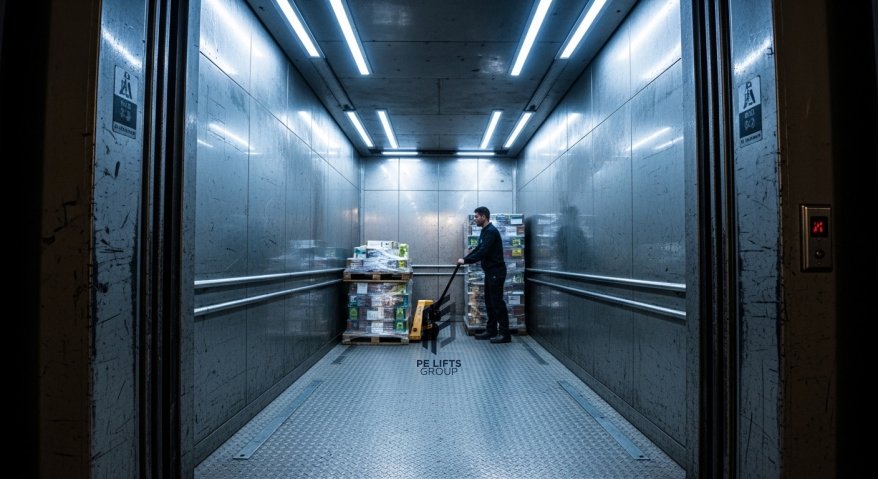
Finding a reliable commercial elevator Nigeria solution is a critical decision for property developers, business owners, and facility managers. Whether you are constructing a new office tower in Lagos, renovating a hotel in Abuja, or upgrading an industrial facility in Port Harcourt, the elevator system you choose impacts safety, efficiency, and long-term operational costs.
For architects, contractors, and investors, the challenge is not just finding a supplier, but identifying a partner who offers comprehensive engineering support, from initial assessment to after-sales maintenance. This guide explains where to buy commercial elevators in Nigeria, what to look for in a supplier, and how PE Lifts Group provides tailored solutions for diverse building requirements.
What Types of Commercial Elevators Are Suitable for Nigerian Buildings?
Commercial buildings have varying needs based on their function. A hospital requires different specifications than a shopping mall or a corporate office. Understanding the primary elevator technologies helps buyers make informed decisions.
Traction and Machine Room Less (MRL) Systems
Traction elevators use ropes and counterweights powered by an electric motor. They are ideal for mid-to-high-rise buildings due to their speed and capacity. Machine Room Less (MRL) systems are a modern variation where the machinery is housed within the shaft itself, saving valuable floor space. These systems are commonly used in office buildings and hotels where space efficiency and performance are priorities.
Pneumatic Vacuum Elevators
Pneumatic vacuum elevators operate using air pressure differences. They are self-contained units that require minimal structural modification. While often associated with residential projects, they can be suitable for specific low-traffic commercial applications, such as boutique hotels, private clinics, or executive offices where aesthetic appeal and compact installation are key. However, they are not typically suitable for high-volume public venues like large shopping malls or busy conference centers.
Industrial and Heavy-Duty Elevators
Industrial facilities require robust systems capable of handling heavy loads, frequent usage, and harsh environments. These elevators prioritize durability and safety features over aesthetic design.
How Do Building Requirements Affect Elevator Selection?
Choosing the right commercial elevator suppliers in Nigeria involves more than picking a brand. Several technical factors determine suitability:
- Building Height: High-rise buildings generally require traction systems for optimal speed and efficiency. Low-rise structures may benefit from MRL or pneumatic solutions.
- Passenger Traffic: High-traffic areas like malls need elevators with fast door cycles and large capacities. Low-traffic venues may prioritize comfort and design.
- Load Capacity: Hospitals and industrial sites need higher load capacities to accommodate stretchers, equipment, or goods.
- Available Space: Existing buildings may have limited space for machine rooms, making MRL or pneumatic options more viable.
Why Should Buyers Choose a Supplier That Provides Installation and After-Sales Support?
Buying an elevator is only the first step. Proper installation and ongoing maintenance are crucial for safety and longevity. Many businesses face challenges when they purchase equipment from suppliers who do not offer local technical support.
A full-service provider ensures that:
- Installation meets standards: Certified technicians handle complex electrical and mechanical integration.
- Maintenance is consistent: Regular servicing prevents breakdowns and extends the elevator’s life.
- Spare parts are available: Local access to components reduces downtime during repairs.
PE Lifts Group addresses this by offering integrated services through its subsidiaries. PE Lifts Services specializes in maintenance, Annual Maintenance Contracts (AMC), repairs, and modernization, ensuring that your investment remains operational and safe.
What Is the Role of PE Lifts Group in the Nigerian Market?
PE Lifts Group serves as a comprehensive elevator engineering group, catering to different project requirements through its specialized subsidiaries. This structure allows clients to receive tailored solutions rather than a one-size-fits-all approach.
- Dove Lifts: Focuses on traction and MRL elevator solutions. These are suitable for a wide range of residential and commercial applications, including office blocks, hotels, and apartment complexes. Visit Dove Lifts for detailed product information.
- PE Lifts: Specializes in pneumatic and vacuum elevator solutions. These are particularly relevant for specific residential applications and low-traffic commercial spaces where design flexibility and minimal construction impact are desired. Learn more at PE Lifts.
- PE Lifts Services: Provides end-to-end support, including installation supervision, maintenance, and technical upgrades. This ensures that regardless of the elevator type chosen, professional support is available throughout its lifecycle.
For an overview of the group’s capabilities, visit PE Lifts Group.
What Should Buyers Look for in a Commercial Elevator Supplier?
When evaluating commercial elevator companies in Nigeria, consider the following factors to ensure reliability and value.
| Evaluation Factor | Why It Matters |
|---|---|
| Product Range | Ensures the supplier can offer a solution that matches your building’s specific height, traffic, and capacity needs. |
| Technical Assessment | A professional site survey prevents costly mistakes by verifying space, power, and structural requirements before purchase. |
| Installation Expertise | Certified installers ensure compliance with safety standards and proper system integration. |
| Warranty Coverage | Clear warranty terms for parts and labor protect your investment against early failures. |
| Spare Parts Availability | Local stock reduces downtime during repairs. |
| Maintenance Services | Regular servicing is essential for safety and performance. Check if the supplier offers AMC packages. |
| After-Sales Support | Responsive technical support ensures quick resolution of issues. |
How Can Businesses Compare Commercial Elevator Quotations?
Comparing quotes for elevator supply and installation Nigeria projects requires looking beyond the initial price. Buyers should request detailed breakdowns that include:
- Equipment specifications (capacity, speed, dimensions).
- Installation costs and timeline.
- Warranty duration and coverage details.
- Annual maintenance costs.
- Exclusions (e.g., civil works, electrical connections).
Ask suppliers to clarify whether the quote includes commissioning and testing. A lower upfront cost may hide higher long-term maintenance expenses or exclude critical installation components.
What Documents and Technical Information Should Buyers Request?
Before placing an order, request the following from potential suppliers:
- Product datasheets and technical specifications.
- Compliance certificates and safety standards documentation.
- Detailed warranty terms in writing.
- References from similar completed projects.
- A proposed maintenance schedule and service level agreement.
Frequently Asked Questions About Buying Commercial Elevators in Nigeria
1. Where can I buy reliable commercial elevators in Nigeria?
You can purchase from established elevator engineering groups like PE Lifts Group, which offers a range of solutions through its subsidiaries, Dove Lifts and PE Lifts, supported by PE Lifts Services for maintenance and installation.
2. What is the difference between traction and pneumatic elevators?
Traction elevators use motors and ropes, suitable for mid-to-high-rise buildings with high traffic. Pneumatic elevators use air pressure, are self-contained, and are best for low-rise, low-traffic applications where minimal construction is preferred.
3. Do pneumatic elevators work for busy shopping malls?
Generally, no. Pneumatic elevators are designed for lower passenger volumes. High-traffic venues like malls typically require traction or MRL systems with higher capacity and faster cycle times.
4. How long does commercial elevator installation take?
Installation time varies based on building height, elevator type, and site readiness. Traction systems may take several weeks to months, while pneumatic units can be installed more quickly due to their modular nature. A professional site survey will provide a accurate timeline.
5. What maintenance is required for commercial elevators?
Regular maintenance includes lubrication, safety check-ups, electrical system inspections, and door mechanism adjustments. Suppliers like PE Lifts Services offer AMC packages to ensure consistent care.
6. Can I install a commercial elevator in an existing building?
Yes, but it requires careful assessment. MRL and pneumatic systems are often easier to retrofit due to smaller space requirements. A structural and spatial survey is essential to determine feasibility.
7. What capacity do I need for an office building?
Capacity depends on the number of employees and peak traffic times. Standard office elevators often range from 1,000kg to 2,000kg. A traffic analysis conducted by a specialist can determine the optimal size and number of elevators.
8. Are spare parts available locally in Nigeria?
Reputable suppliers like PE Lifts Group maintain local stock of critical spare parts to minimize downtime. Always confirm parts availability before purchasing.
9. What warranty should I expect?
Warranties typically cover parts and labor for a specified period, often one to two years. Ensure you receive written warranty terms detailing exclusions and claim procedures.
10. How do I choose the right elevator company?
Look for a company with a proven track record, comprehensive product range, local technical support, and clear after-sales service agreements. Avoid suppliers who cannot provide detailed technical assessments or maintenance plans.
Conclusion
Selecting the right commercial elevator Nigeria solution requires careful evaluation of your building’s specific needs, including height, traffic, and space constraints. By partnering with a supplier that offers both diverse product options and robust after-sales support, you ensure long-term reliability and safety.
PE Lifts Group provides a holistic approach through Dove Lifts for traction and MRL systems, PE Lifts for pneumatic solutions, and PE Lifts Services for comprehensive maintenance and support. We encourage property developers, business owners, and architects to contact PE Lifts Group for a professional consultation, site assessment, and tailored quotation for your next project.