For commercial property developers, architects, and facility managers in Nigeria, the operational cost of a building is just as critical as its construction cost. Among the various systems that contribute to monthly utility bills, vertical transportation often represents a significant portion of electricity consumption. As energy tariffs fluctuate and sustainability becomes a key metric for green building certifications, finding an energy efficient elevator Nigeria has moved from a luxury to a strategic necessity. This guide explores how modern elevator technologies can reduce power usage, what features truly matter, and how to select the right system for your commercial project.
What Makes an Elevator Energy Efficient?
An energy-efficient elevator is not defined by a single component but by the synergy of its entire system. It involves how the motor converts electricity into motion, how the control system manages traffic, and how auxiliary components like lighting and ventilation operate. In the context of commercial elevator Nigeria projects, efficiency means delivering reliable passenger transport while minimizing wasted energy during movement and idle periods.
Traditional elevators often used gear-based systems that generated heat and friction, leading to higher energy loss. Modern solutions focus on direct-drive technologies and smart electronics that adjust power usage in real-time based on load and direction. When evaluating energy saving elevators Nigeria, it is essential to look beyond marketing terms like "green" and request specific technical data regarding motor efficiency and standby power consumption.
Why Should Commercial Buildings in Nigeria Consider Energy Efficient Elevators?
The primary driver for adopting low energy consumption elevators in Nigeria is cost reduction. Commercial buildings such as hotels, hospitals, and office towers operate elevators for long hours, often 24/7. Even a small reduction in kilowatt-hours (kWh) per day can translate into substantial savings over the lifespan of the equipment. Additionally, many international tenants and investors now prioritize buildings with sustainable operations. Installing energy efficient elevator systems can enhance the marketability of a property and support compliance with emerging environmental standards.
Which Elevator Technologies Help Reduce Energy Consumption?
To make an informed decision, buyers must understand the specific technologies that drive efficiency. Not all features are available on every model, so verification is key.
How Do Regenerative Drives Recover and Reuse Energy?
A regenerative drive elevator is one of the most significant advancements in energy efficiency. In traditional systems, when an elevator car moves down with a heavy load or up with a light load, the motor acts as a generator, producing excess energy that is usually dissipated as heat through resistors. Regenerative drives capture this excess energy and convert it back into usable electricity, feeding it into the building’s power grid. This process can significantly reduce the net energy drawn from the mains, particularly in high-traffic buildings where frequent starts and stops occur.
What Is the Role of Gearless Traction Motors?
Gearless traction motors are highly efficient because they eliminate the mechanical losses associated with gears. By connecting the motor directly to the sheave, these systems reduce friction and heat generation. They are commonly found in mid-to-high-rise commercial buildings and offer smoother rides with lower energy requirements compared to geared counterparts. When searching for energy efficient commercial elevators, ask if the proposed model uses a permanent magnet synchronous motor (PMSM), which is known for its high efficiency and compact size.
How Do Variable Frequency Drives Control Power?
Variable Frequency Drives (VFDs) allow the elevator motor to start and stop smoothly by adjusting the frequency and voltage of the power supply. Instead of drawing a massive surge of electricity during startup, a VFD ramps up the speed gradually. This soft-start capability reduces peak power demand and minimizes mechanical stress on the system, contributing to both energy savings and longer equipment life.
Are Machine Room Less Elevators More Energy Efficient?
Machine Room Less (MRL) elevators integrate the motor and control equipment into the hoistway, eliminating the need for a separate machine room. While the primary benefit of MRL elevator Nigeria solutions is space saving, they can also be more energy efficient. The compact design often utilizes smaller, high-efficiency motors. However, it is important to note that efficiency depends on the specific drive technology used, not just the absence of a machine room. Buyers should verify the motor type and drive system of any MRL unit under consideration.
How Do LED Lighting and Standby Modes Reduce Usage?
Auxiliary systems contribute to baseline energy consumption. Replacing traditional fluorescent or incandescent bulbs with LED lighting in the cabin and lobby fixtures reduces power usage significantly. Furthermore, modern elevators feature intelligent standby modes. When the elevator is idle for a set period, it can automatically switch off cabin lights, fans, and displays. Some advanced systems even park the car at a neutral floor to minimize the energy required for the next call. These small adjustments accumulate over time, lowering the overall elevator electricity consumption.
How Do Intelligent Controls Optimize Traffic?
Intelligent control systems, such as destination dispatch, group multiple passengers going to similar floors into the same car. This reduces the number of stops and starts, which are the most energy-intensive parts of an elevator cycle. By optimizing traffic flow, these systems reduce unnecessary trips and idle time, making them ideal for busy office buildings and hotels.
What Should Buyers Check When Comparing Energy Efficient Elevator Models?
When requesting quotes for commercial elevator suppliers Nigeria, do not rely solely on brochures. Ask for detailed technical specifications. Key data points to request include:
- Energy Consumption Data: Request estimated kWh per trip or annual consumption estimates based on your building’s traffic profile.
- Motor and Drive Technology: Confirm if the system uses gearless traction and regenerative drives.
- Standby Power Consumption: Ask for the wattage used when the elevator is idle.
- Lighting and Ventilation: Verify if LEDs and variable speed fans are standard.
- Maintenance Requirements: Efficient systems often require less maintenance, but specialized components may need expert care.
| Feature | How It Saves Energy | What to Verify |
|---|---|---|
| Regenerative Drive | Returns excess energy to the grid | Is it included or an optional extra? |
| Gearless Motor | Reduces friction and heat loss | Is it a permanent magnet synchronous motor? |
| VFD Control | Smooths startup, reducing peak load | Is the drive compatible with local power stability? |
| LED Lighting | Uses less power than traditional bulbs | Are LEDs standard in cabin and hall fixtures? |
| Standby Mode | Turns off non-essential components when idle | Can the timeout period be customized? |
How Can Efficient Elevators Reduce Long-Term Building Operating Costs?
While the initial investment in an energy efficient elevator Nigeria may be higher than a standard model, the total cost of ownership is often lower. Reduced electricity bills, fewer mechanical repairs due to smoother operation, and extended equipment lifespan contribute to long-term savings. Facility managers should calculate the lifecycle cost, including energy, maintenance, and potential downtime, rather than focusing only on the purchase price.
Why Should Maintenance and Technical Support Be Considered?
An elevator’s efficiency degrades if it is not properly maintained. Dirty contacts, worn bearings, or misaligned doors can increase friction and energy use. Therefore, choosing a provider with strong after-sales support is crucial. PE Lifts Services offers comprehensive maintenance, AMC, and modernization solutions to ensure your elevator continues to operate at peak efficiency throughout its life.
Understanding the PE Lifts Group Solutions
The PE Lifts Group provides a range of solutions tailored to different building needs. It is important to match the technology to the application:
- Dove Lifts: Specializes in traction and Machine Room Less (MRL) elevator solutions. These are ideal for mid-to-high-rise commercial buildings where high capacity and speed are required. Their systems often incorporate the latest energy-saving technologies, including regenerative drives and gearless motors. Learn more at Dove Lifts.
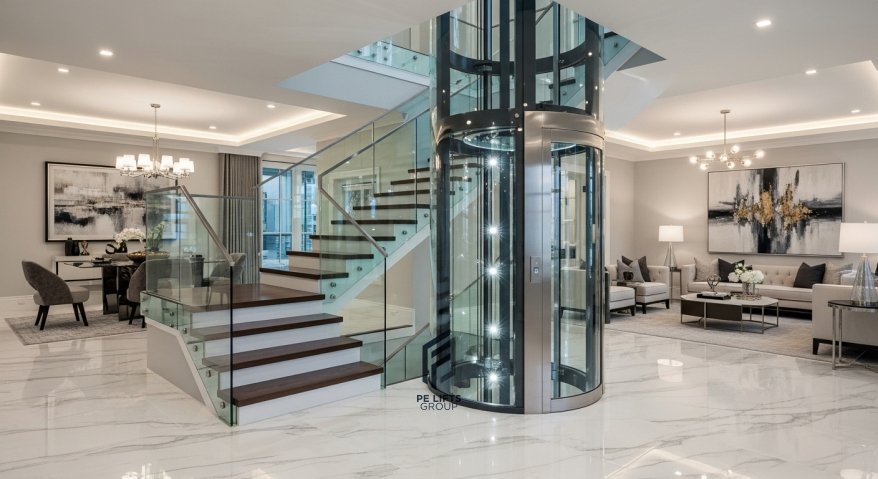
- PE Lifts: Focuses on pneumatic and vacuum elevator solutions. These are suitable for low-rise applications, villas, or specific architectural features where a small footprint and transparency are desired. While their energy profile differs from traction elevators, they offer unique design benefits. Explore options at PE Lifts.
- PE Lifts Services: Provides the technical backbone for all installations, ensuring that energy-efficient features are maintained and optimized over time. Visit PE Lifts Services for support details.
By understanding the distinct roles of these subsidiaries, buyers can select the right technology for their specific project requirements. For more information on the group’s approach, visit PE Lifts Group.
Frequently Asked Questions
1. How much energy can a regenerative drive save? Savings vary based on traffic patterns and building height, but regenerative drives can significantly reduce net energy consumption by reusing energy generated during braking. Request specific data from the manufacturer for your project.
2. Are MRL elevators always more energy efficient? Not necessarily. While MRL elevators save space, their energy efficiency depends on the motor and drive technology used. Always compare the technical specifications of the motor rather than assuming efficiency based on the room-less design.
3. Do energy efficient elevators cost more to maintain? Generally, no. Modern gearless systems have fewer moving parts and generate less heat, which can reduce wear and tear. However, they require specialized technicians for maintenance, so choosing a qualified provider like PE Lifts Services is essential.
4. How does building height affect elevator energy consumption? Higher buildings require more energy to lift the car against gravity. However, regenerative drives are particularly effective in tall buildings because there is more opportunity to recover energy during descent.
5. Can I retrofit an existing elevator to be more energy efficient? Yes, modernization packages can include upgrading to LED lighting, installing VFDs, or adding regenerative drives. Contact PE Lifts Services to assess the feasibility of modernizing your current system.
6. What is standby mode and why is it important? Standby mode powers down non-essential components like lights and fans when the elevator is not in use. This reduces baseline energy consumption, which is significant in buildings with multiple elevators.
7. How do intelligent controls save energy? By grouping passengers and optimizing routes, intelligent controls reduce the number of stops and starts. Since acceleration and deceleration use the most power, fewer cycles mean lower energy use.
8. Are pneumatic elevators energy efficient? Pneumatic elevators use air pressure for movement and do not require oil or heavy machinery. Their energy consumption is different from traction elevators and is best suited for specific low-rise applications.
9. What should I ask for in a quote to verify energy efficiency? Request the motor type, drive technology, standby power rating, and estimated annual energy consumption based on your building’s usage profile.
10. Why choose PE Lifts Group for energy efficient solutions? PE Lifts Group offers a diverse range of technologies through Dove Lifts and PE Lifts, backed by the technical expertise of PE Lifts Services. This ensures you get the right solution for your building, supported by professional maintenance.
Conclusion
Choosing an energy efficient elevator Nigeria requires a holistic approach that considers technology, usage patterns, and long-term support. By understanding features like regenerative drives, gearless motors, and intelligent controls, commercial property owners can make decisions that reduce operating costs and enhance sustainability. Do not rely on marketing claims alone; demand technical data and professional advice.
For a technical consultation, project assessment, and tailored quotation, contact PE Lifts Group today. Let our experts help you select the most efficient and reliable vertical transportation solution for your commercial building.