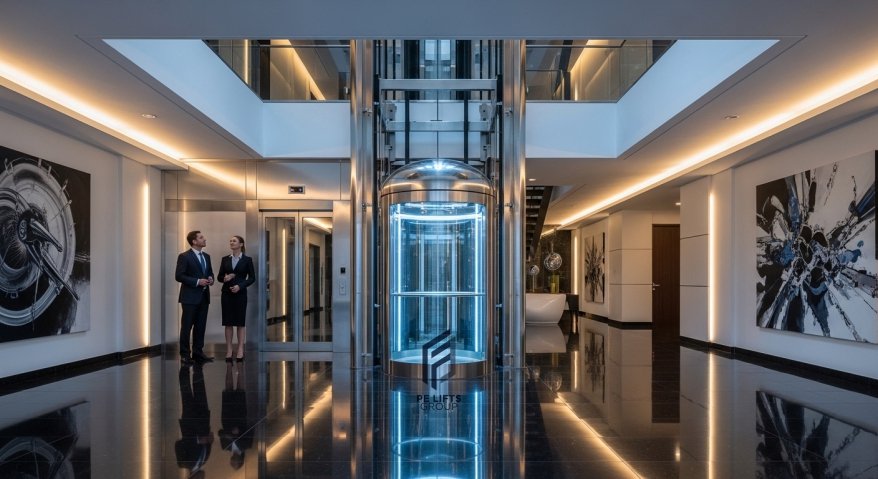
Elevator modernization is the process of upgrading key components of an existing elevator system to improve its reliability, safety, energy efficiency, and passenger experience. Unlike routine maintenance, which keeps an elevator running, or full replacement, which involves removing the entire system, modernization targets specific areas where aging technology or wear and tear are causing inefficiencies. For building owners in Nigeria, modernization is often the most cost-effective solution when an elevator’s core structure remains sound but its operational performance has declined due to obsolete parts or outdated control systems.
Why Are More Nigerian Buildings Considering Elevator Modernization?
The decision to modernize an elevator is rarely driven by a single factor. Instead, it is usually the result of several practical challenges converging over time. In Nigeria’s diverse property landscape—from high-rise offices in Lagos and Abuja to hospitality hubs in Port Harcourt and residential complexes in Ibadan—building managers are increasingly looking at modernization as a strategic investment rather than just a repair necessity.
Several factors contribute to this trend:
- Aging Equipment: Many elevators installed in Nigeria 15–20 years ago are reaching the end of their optimal service life. While they may still move, their performance degrades.
- Obsolete Components: Manufacturers frequently discontinue parts for older models. When a critical component fails, sourcing a replacement can take weeks or months, leading to prolonged downtime.
- Reliability Issues: Frequent breakdowns disrupt building operations, frustrate tenants, and damage the reputation of property managers.
- Energy Efficiency: Older elevator systems, particularly those with hydraulic drives or non-regenerative traction motors, consume significantly more electricity. Modern controllers and drives can reduce energy consumption by up to 40%.
- Safety Standards: Safety codes and best practices evolve. Modernization allows buildings to upgrade door sensors, emergency communication systems, and braking mechanisms to meet current expectations.
- Passenger Experience: In competitive commercial and hospitality markets, a smooth, quiet, and fast elevator ride is part of the premium experience. Jerky movements, slow doors, and outdated cabin aesthetics can detract from a building’s value.
What Does Elevator Modernization Typically Involve?
It is important to understand that modernization is not a "one-size-fits-all" package. The scope of work is determined by a technical assessment of the specific elevator. However, typical modernization projects in Nigeria often focus on the following areas:
Controller and Control Systems
The controller is the "brain" of the elevator. Upgrading to a modern microprocessor-based controller improves dispatching logic, reduces wait times, and enables integration with building management systems (BMS). It also allows for easier diagnostics and remote monitoring.
Door Operators and Landing Doors
Door failures are the most common cause of elevator downtime. Modernizing door operators with variable frequency drives (VFDs) ensures smoother opening and closing, reduces mechanical stress, and enhances safety with sensitive edge sensors.
Elevator Cabin and Interior Components
While primarily aesthetic, cabin modernization can include updating lighting to LED for energy savings, replacing flooring for durability, and improving ventilation. This directly impacts the perceived quality of the building.
Safety Systems
Upgrades may include installing or refining overspeed governors, safety gears, and emergency lowering devices. Modern intercom systems ensure reliable communication with security or maintenance teams during emergencies.
Signalling and User Interface
Replacing old push-buttons with touchless or capacitive switches improves hygiene and reliability. Updating floor indicators and hall lanterns enhances user guidance and accessibility.
What Are the Signs an Elevator Needs Modernization?
How do you know if your elevator needs more than just a service call? Look for these persistent issues:
- Frequent Breakdowns: If the elevator is out of service more than 5% of the time, it is a sign of systemic failure.
- Repeated Component Failures: Replacing the same part multiple times within a short period indicates that the underlying system is failing.
- Obsolete Parts: If your maintenance provider struggles to source spare parts, or if parts are only available as expensive "new old stock," modernization is likely needed.
- Poor Ride Quality: Excessive vibration, noise, or jerky starts and stops suggest worn mechanical components or outdated drive systems.
- Slow or Unreliable Door Operation: Doors that hesitate, slam, or fail to close properly are a major safety and convenience issue.
- Outdated Controls: Long wait times during peak hours indicate that the dispatching software is inefficient for current traffic patterns.
- Increasing Maintenance Costs: When annual repair bills approach 30–50% of the cost of a modernization project, it is time to consider upgrading.
- Passenger Complaints: Consistent feedback about discomfort, fear, or inconvenience is a valid indicator of poor performance.
When Should You Modernize an Elevator Instead of Replacing It?
The choice between modernization and full replacement depends on a detailed technical evaluation. Modernization is generally the preferred option when:
- The Core Structure is Sound: The guide rails, counterweight frame, and car frame are in good condition and compatible with new technology.
- Shaft Dimensions are Constrained: In existing buildings, expanding the shaft for a new, larger elevator may be structurally impossible or prohibitively expensive.
- Budget is Limited: Modernization typically costs 40–60% less than a full replacement.
- Downtime Must Be Minimized: Modernization can often be phased to keep one elevator running in multi-car setups, whereas replacement requires total shutdown.
- Environmental Impact is a Concern: Retaining the major steel components of the existing elevator reduces waste and embodied carbon.
Full replacement is necessary when the hoistway is damaged, the existing equipment is too incompatible with modern standards, or the building’s usage has changed dramatically (e.g., from low-rise office to high-density residential), requiring a completely different capacity or speed profile.
Elevator Modernization vs Full Replacement: What Is the Difference?
| Factor | Modernization | Full Replacement |
|---|---|---|
| Existing Equipment | Retained where suitable (rails, frame, etc.) | Major equipment removed and replaced |
| Project Scope | Targeted upgrades to specific systems | Complete new installation |
| Structural Work | Minimal, mostly internal to shaft/car | May require significant civil works |
| Downtime | Project dependent, often phasable | Total shutdown for duration of install |
| Cost | Generally lower (40-60% of replacement) | Higher initial capital expenditure |
| Suitable Situation | Upgradeable existing system with sound structure | Equipment unsuitable for continued use or major building change |
How Much Does Elevator Modernization Cost in Nigeria?
Providing a fixed price for elevator modernization in Nigeria is difficult because every project is unique. Costs are driven by several variables:
- Elevator Type and Model: Traction, hydraulic, and machine-room-less (MRL) systems have different modernization requirements.
- Scope of Work: Upgrading only the controller is less expensive than a full package including doors, cabin, and safety gear.
- Parts Availability: Imported components may incur higher costs due to logistics and customs.
- Building Complexity: High-rise buildings with complex group control systems require more sophisticated engineering.
- Labor and Installation: Skilled technical labor rates vary by region and project difficulty.
To get an accurate quote, a certified technician must perform a site assessment to evaluate the current condition of the equipment and define the precise scope of work. Contact PE Lifts Services to schedule a technical assessment.
How Long Does Elevator Modernization Take?
Timelines vary based on the scope of the project and the availability of components. A typical modernization project follows these stages:
- Initial Assessment: 1–2 days for site inspection and data collection.
- Scope Definition & Proposal: 1–2 weeks for engineering review and quotation.
- Procurement: 4–12 weeks, depending on whether components are locally stocked or need to be imported.
- Installation: 2–6 weeks, depending on the complexity and number of elevators.
- Testing and Commissioning: 1–2 weeks for safety checks, load testing, and regulatory compliance.
Total project duration can range from 2 to 4 months. Phased modernization in multi-elevator banks can reduce the impact on building occupants.
How Disruptive Is Elevator Modernization to Building Occupants?
Disruption is a valid concern, but it can be managed effectively.
- Temporary Downtime: Elevators will be out of service during installation phases. In buildings with multiple elevators, work can be staggered to keep at least one unit operational.
- Communication: Clear signage and advance notice to tenants help manage expectations.
- Alternative Access: For low-rise buildings, stairs may be the primary alternative. For high-rises, scheduling heavy work during off-peak hours (nights or weekends) minimizes inconvenience.
- Safety Controls: Work areas are secured to prevent unauthorized access, ensuring occupant safety.
Hotels and hospitals require special planning to ensure guest and patient mobility is maintained, often involving temporary service elevators or dedicated staff assistance.
How Does PE Lifts Services Approach Elevator Modernization?
At PE Lifts Services, we approach modernization with a focus on technical precision and long-term reliability. Our process begins with a comprehensive audit of your existing equipment. We evaluate the mechanical integrity, electrical systems, and safety components to determine what can be retained and what must be upgraded.
We leverage our expertise in both PE Lifts pneumatic systems and Dove Lifts traction technologies to select the most appropriate modernization components for your specific elevator type. Our goal is not just to fix a problem, but to extend the life of your asset while improving its performance. We prioritize the use of high-quality, durable components that are supported by our robust after-sales service network across Nigeria.
For more details on our specific service offerings, visit our Elevator Maintenance and Repair page.
How Can Building Owners Prepare for an Elevator Modernization Project?
Preparation is key to a smooth modernization process:
- Review Maintenance Records: Identify recurring faults and historical repair costs.
- Assess Equipment Age: Know the installation date and original manufacturer specifications.
- Define Priorities: Decide if your main goal is cost reduction, improved reliability, or aesthetic enhancement.
- Plan for Downtime: Communicate with tenants and plan for alternative vertical transportation.
- Budget Wisely: Include contingencies for unexpected findings during the dismantling phase.
- Choose a Qualified Partner: Ensure your service provider has experience with your specific elevator brand and model.
Frequently Asked Questions About Elevator Modernization in Nigeria
1. How old does an elevator need to be before modernization makes sense?
There is no fixed age, but elevators older than 15–20 years often benefit from modernization. However, younger elevators with obsolete components or heavy usage may also require upgrades.
2. Does modernization require replacing the whole elevator?
No. Modernization retains the core structural elements (like rails and frames) and replaces only the worn or outdated components such as controllers, doors, and safety systems.
3. How disruptive is modernization to building occupants?
Disruption can be minimized by phasing the work, especially in buildings with multiple elevators. Clear communication and scheduling work during off-peak hours help reduce inconvenience.
4. How much does elevator modernization cost in Nigeria?
Costs vary widely based on the elevator type, scope of work, and parts availability. A site assessment is required to provide an accurate quotation. Generally, it is 40–60% of the cost of a full replacement.
5. How long does elevator modernization take?
Typically, a modernization project takes between 2 to 4 months, including procurement, installation, and commissioning. Timelines depend on the complexity of the system and component availability.
6. Is elevator modernization cheaper than replacement?
Yes, modernization is generally more cost-effective than full replacement because it reuses existing structural components and requires less civil work.
7. Can an old elevator still be modernized?
Most elevators can be modernized if the core structure (hoistway, rails, and frame) is sound. A technical assessment will determine feasibility.
8. How do I know whether my elevator needs modernization or replacement?
If the core structure is intact and the main issues are related to controls, doors, or ride quality, modernization is likely suitable. If the shaft is damaged or the capacity needs to change significantly, replacement may be necessary. A professional assessment is the best way to decide.