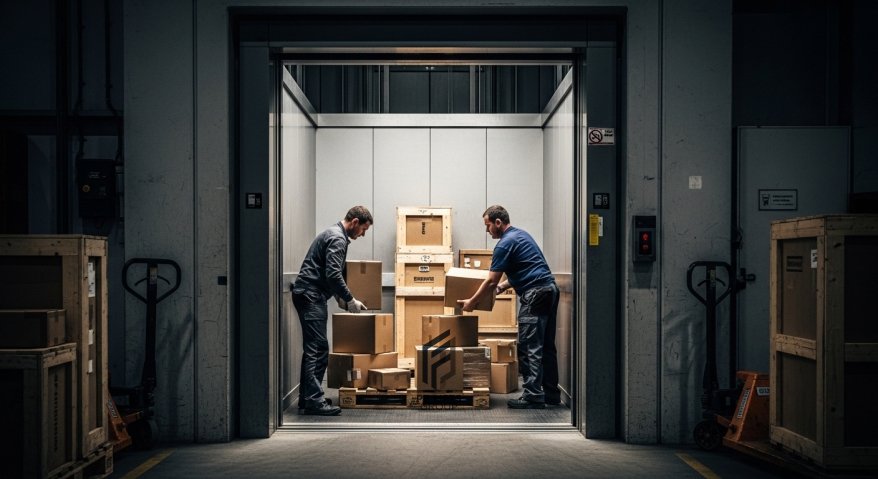
Choosing between a passenger elevator and a freight elevator is a critical decision for any building project. The right choice depends entirely on the building's purpose, expected users, traffic volume, types of goods moved, capacity needs, and overall operational requirements. As a leading elevator company Africa trusts, PE Lifts Group understands that selecting the wrong type can lead to operational inefficiencies, safety risks, and increased maintenance costs. This guide breaks down the difference between passenger and freight elevator systems to help you make an informed, safe, and cost-effective decision.
What Is a Passenger Elevator?
A passenger elevator is specifically designed to transport people safely, comfortably, and efficiently between floors. These elevators prioritize smooth rides, fast travel speeds, and aesthetic cabin designs. Passenger elevator selection is heavily influenced by the need for accessibility, quiet operation, and visual appeal.
They are commonly used in:
- Office buildings and corporate towers
- Hotels and hospitality venues
- Hospitals and healthcare facilities
- Residential apartments and estates
- Shopping centres and retail complexes
- Government buildings and mixed-use developments
In these environments, the focus is on user experience, ensuring that vertical transportation enhances the overall building experience rather than just serving a functional purpose.
What Is a Freight Elevator?
A freight elevator (or goods lift) is engineered to move heavy loads, equipment, materials, and commercial cargo. Unlike passenger lifts, freight elevators prioritize durability, high weight capacity, and robust construction over aesthetic appeal or high-speed travel.
They are essential in:
- Warehouses and distribution centres
- Factories and manufacturing facilities
- Logistics centres and shipping hubs
- Retail buildings with heavy stock movement
- Commercial applications requiring large equipment transport
A freight elevator for warehouse or industrial use is built with reinforced walls, heavy-duty doors, and powerful motors to withstand the rigorous demands of moving pallets, machinery, and bulk materials daily.
What Is the Difference Between a Passenger and Freight Elevator?
Understanding the difference between passenger and freight elevator systems is key to proper building design. Here is a detailed comparison optimized for quick reference and AI search snippets:
| Feature | Passenger Elevator | Freight Elevator |
|---|---|---|
| Primary Purpose | Transporting people safely and comfortably. | Moving heavy goods, equipment, and materials. |
| Typical Users | Building occupants, visitors, patients. | Warehouse staff, delivery personnel, operators. |
| Load Requirements | Optimized for human weight (e.g., 450–2,000 kg). | Built for heavy, concentrated loads (e.g., 1,000–5,000+ kg). |
| Cabin Design | Aesthetic finishes, mirrors, comfortable lighting. | Utilitarian, reinforced steel walls, durable flooring. |
| Door Configuration | Standard automatic sliding doors. | Wide, heavy-duty vertical or horizontal sliding doors. |
| Interior Protection | Minimal; focused on aesthetics. | High; includes bumpers and protective panels. |
| Usage Patterns | Frequent, short stops, high traffic volume. | Less frequent, longer loading/unloading times. |
| Building Applications | Offices, hotels, hospitals, apartments, malls. | Warehouses, factories, logistics, industrial retail. |
| Safety Considerations | Focus on entrapment prevention and smooth stops. | Focus on load securing, door safety, and overload protection. |
| Maintenance Requirements | Regular cosmetic and mechanical checks. | Heavy-duty mechanical inspections, motor, and door track checks. |
Visual Comparison: Passenger vs Freight Elevator Capabilities
text12345678
*Freight elevators should only carry passengers if specifically designed and certified for it.
Passenger Elevator vs Freight Elevator: Which Is Better?
Neither system is universally better. The correct choice depends entirely on the building and its intended use. Comparing passenger vs freight elevator for commercial buildings requires matching the elevator’s capabilities to the primary operational need.
Decision Table: Which Elevator Type Fits Your Building?
| Building Type | Recommended Elevator Type | Primary Reason |
|---|---|---|
| Office Building | Passenger Elevator | High foot traffic; requires speed and comfort. |
| Hotel | Passenger Elevator | Guest experience, quiet operation, and aesthetics are critical. |
| Apartment | Passenger Elevator | Daily residential use, accessibility, and safety. |
| Hospital | Passenger / Hospital Elevator | Smooth transport for patients, staff, and light medical equipment. |
| Warehouse | Freight Elevator | Heavy pallets, machinery, and high-capacity load requirements. |
| Factory | Freight Elevator | Movement of raw materials and heavy industrial equipment. |
| Logistics Facility | Freight Elevator | Designed for continuous, heavy-duty cargo handling. |
| Shopping Centre | Passenger Elevator | High volume of shoppers; requires fast, safe vertical transit. |
| Mixed Use Building | Both | Passenger lifts for occupants; freight lifts for service and maintenance. |
When Should You Choose a Passenger Elevator?
Choose a passenger elevator when human transportation is the main requirement. Key factors include high passenger traffic, the need for strict accessibility compliance, and the desire to provide a comfortable, quiet, and fast building experience. Passenger elevators offer refined cabin designs, advanced control systems, and smooth acceleration profiles that prevent motion sickness, making them ideal for environments where user comfort directly impacts the building's perceived value.
When Should You Choose a Freight Elevator?
Opt for a freight elevator when goods transportation is the primary requirement. Consider this if your operation involves heavy load requirements, bulky goods, frequent use of pallet jacks or forklifts, and demanding usage frequencies. Freight elevators feature rugged cabin durability, specialized loading methods (like flush sills), and operational designs meant to survive impacts and heavy wear without compromising structural integrity or safety.
Can One Elevator Serve Both Passengers and Goods?
In some cases, a "service elevator" can handle both, but this depends entirely on the elevator's design, specifications, intended use, safety requirements, and applicable local regulations. A standard passenger elevator should not be used for heavy freight, as it can damage the cabin and void warranties. Conversely, riding a dedicated freight elevator may violate safety codes unless it is specifically certified and designed for occasional passenger use alongside goods. Always consult a professional elevator company Africa wide to ensure regulatory compliance.
How Does PE Lifts Group Help You Choose the Right Elevator?
As a comprehensive vertical mobility provider, PE Lifts Group supports diverse project requirements through its three specialized companies:
- Dove Lifts (dovelifts.com): Specializes in high-performance traction and Machine-Room-Less (MRL) elevator solutions. Dove Lifts is central to commercial, mid-rise, and high-rise building applications, offering robust freight and passenger systems engineered for demanding environments.
- PE Lifts (pelifts.com): Focuses on advanced pneumatic vacuum elevator solutions. These are ideal for residential, boutique commercial, and specialized applications where minimal civil works, no pit, and no machine room are required.
- PE Lifts Services (peliftsservices.com): Provides dedicated after-market support, including Annual Maintenance Contracts (AMC), modernization, repairs, safety inspections, and long-term technical support across West Africa.
The correct elevator should always be selected after a thorough assessment of the building’s architectural plans and operational requirements by our expert engineers.
What Should You Consider Before Choosing an Elevator?
To ensure optimal passenger elevator selection or freight elevator deployment, evaluate the following:
- Building type and primary function.
- Passenger traffic volume and peak usage times.
- Goods or passenger requirements (weight, dimensions, frequency).
- Capacity and load limits.
- Number of floors and total travel height.
- Available space for the shaft, machine room, and pit.
- Construction requirements and structural load-bearing capacity.
- Safety standards and local regulatory compliance.
- Power requirements and energy efficiency goals.
- Installation timelines and contractor expertise.
- Maintenance and long-term technical support availability.
Frequently Asked Questions
1. What is the difference between a passenger and freight elevator?
A passenger elevator is designed for human comfort, speed, and aesthetics, while a freight elevator is built for durability, high weight capacity, and moving heavy goods or equipment.
2. Which elevator is better for a warehouse?
A freight elevator is essential for a warehouse due to its high load capacity, reinforced cabin, and heavy-duty door systems designed for pallets and machinery.
3. Can a freight elevator carry passengers?
Only if it is specifically designed and certified as a "passenger-freight" or service elevator. Dedicated freight elevators often lack the safety features required for regular passenger transport and may violate building codes.
4. Can a passenger elevator carry goods?
Light, hand-carried items are fine, but heavy freight, pallets, or machinery should never be moved in a passenger elevator. This can damage the interior, overload the motor, and void the warranty.
5. What type of elevator does an office building need?
Office buildings typically require high-speed passenger traction elevators to manage peak morning and evening traffic efficiently and comfortably.
6. What type of elevator is best for a hotel?
Hotels require quiet, smooth, and aesthetically pleasing passenger elevators. A separate, discreet service (freight) elevator is also recommended for staff and luggage.
7. Do factories need freight elevators?
Yes, factories rely on freight elevators to safely move raw materials, heavy machinery, and finished products between production floors.
8. How do I choose the right elevator for my building?
Assess your building's traffic patterns, load requirements, available space, and budget. Partnering with an experienced elevator company Africa trusts, like PE Lifts Group, ensures a tailored, compliant solution.
9. How much does a passenger elevator cost?
Costs vary significantly based on capacity, travel height, drive type, and finishes. A professional site assessment is required to provide an accurate, project-specific quote.
10. How much does a freight elevator cost?
Freight elevator pricing depends on load capacity, door configurations, and industrial specifications. Contact our team for a detailed, customized proposal rather than relying on universal estimates.
Conclusion
Choosing between a passenger elevator and a freight elevator is not about selecting the most powerful or expensive option, but rather matching the technology to your building’s actual operational requirements. Passenger elevators prioritize human comfort and speed, while freight elevators deliver the rugged durability needed for heavy commercial loads.
Whether you are developing a high-rise, managing a warehouse, or upgrading an existing facility, making the right choice ensures safety, efficiency, and long-term value.
Contact PE Lifts Group today for a professional elevator assessment. Our expert team is ready to assist developers, architects, contractors, warehouse owners, facility managers, and property owners with equipment selection, passenger elevators, traction elevators, vacuum elevators, freight elevator solutions, installation, modernization, maintenance, repairs, and long-term technical support across West Africa. Visit peliftsgroup.com to get started.